
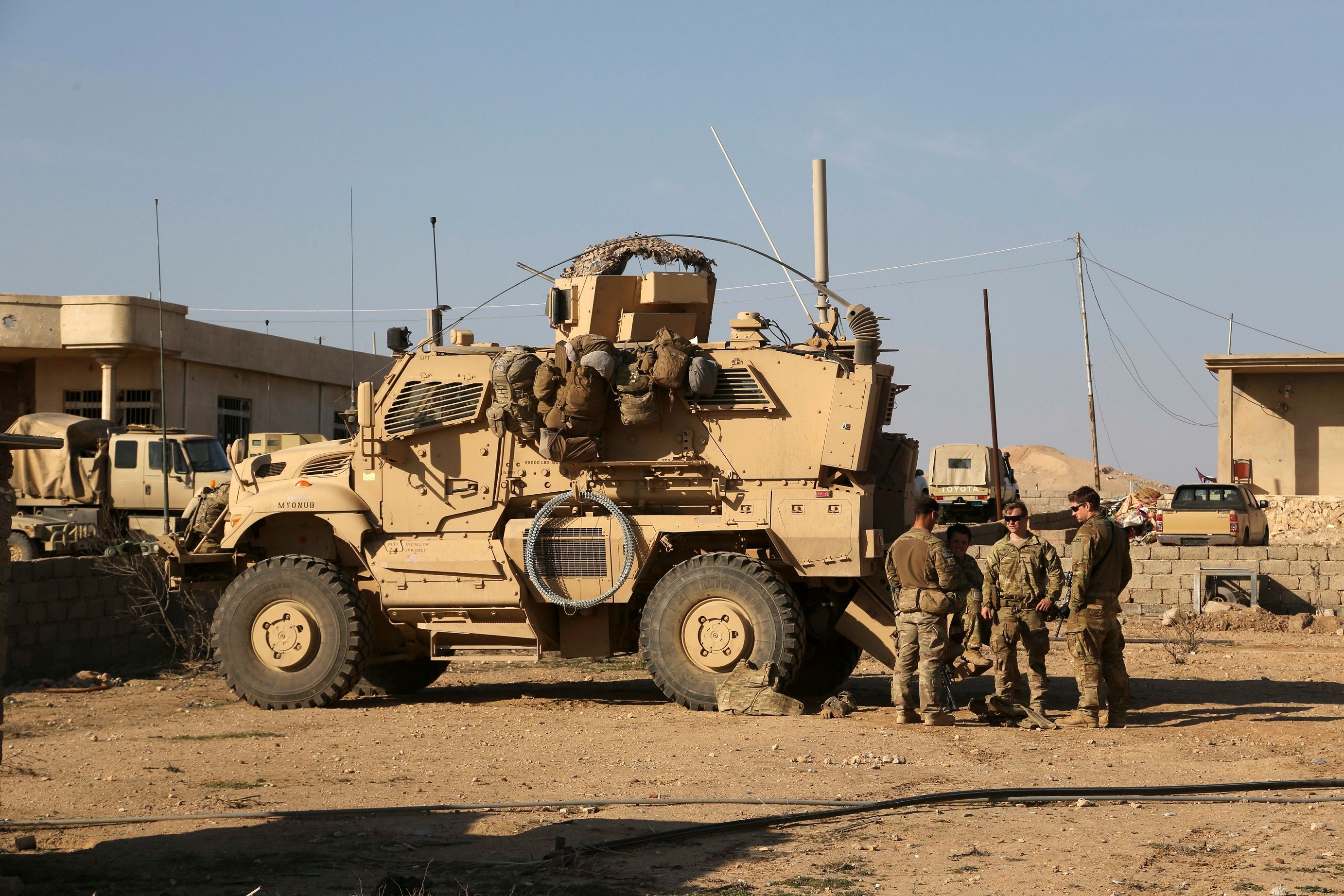
The recent withdrawal of U.S. troops from Iraq has generated significant concerns regarding security in the region. Many experts believe that this exit could create a power vacuum that empowers various militant groups, notably Iranian-backed militias and the resurgent Islamic State.
Concerns Surrounding U.S. Withdrawal
On Wednesday, U.S. forces officially exited their remaining bases in Iraq, a move initially agreed upon by President Joe Biden in 2024 but facilitated by the former Trump administration. The timing of this withdrawal has raised eyebrows, especially as the U.S. continues its complex geopolitical battle against Iran. Iran exerts considerable influence in Iraq through proxy militias, leading experts to predict that the absence of U.S. military presence may create conditions favorable for these groups to thrive.
Impacts on Iraqi Security Forces
While U.S. forces had invested years in training and equipping the Iraqi military, local analysts and security officials have expressed skepticism about the capacity of Iraqi forces to fill the void left by their American counterparts. Without the crucial support of U.S. intelligence, surveillance, and reconnaissance resources, they fear that these forces may struggle to maintain stability and prevent a resurgence of the Islamic State. This is particularly alarming given the history of insurgent activity in the region and the ongoing threat posed by extremist groups.
The Geopolitical Landscape
The withdrawal has been described by Iran and its allied “axis of resistance” as a significant strategic achievement. As the Iranian regime seeks to extend its influence throughout the region, the departure of U.S. troops may serve to embolden not only Iranian proxies but also other regional actors that oppose American interests. This transformation in the geopolitical landscape raises important questions about future U.S. engagement in Iraq and the overall stability of the Middle East.
As discussions unfold regarding the implications of this withdrawal, various stakeholders—including governments, local security forces, and international organizations—must be vigilant in assessing the evolving dynamics in Iraq. The U.S. exit is not merely a military change; it represents a pivotal moment that could have far-reaching ramifications for security, governance, and regional politics.
In conclusion, while the U.S. withdrawal from Iraq may be seen as a step towards ending prolonged military involvement, it also introduces significant uncertainties. The potential empowerment of militant factions and the questions surrounding Iraqi forces’ capabilities point towards a precarious future. Achieving stability in Iraq will require ongoing vigilance and a coordinated approach from various players in the region and beyond.