
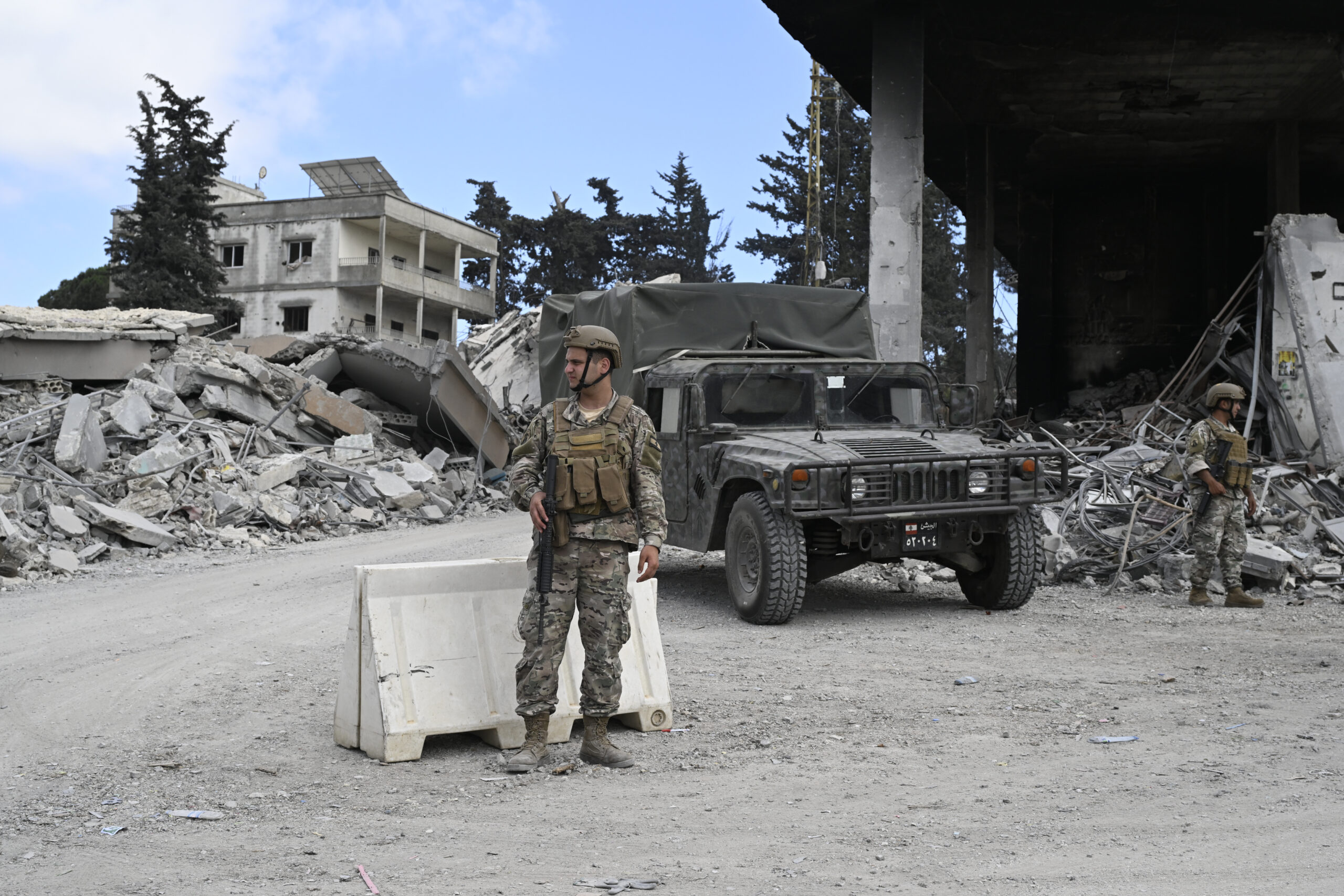
Lebanon finds itself at a pivotal crossroads, with a new government, escalating regional tensions, and increasing pressure on Hizballah stirring up longstanding debates about national sovereignty and the state’s control over armed forces. The decisions made by Lebanon and the United States during this critical period will not only dictate the future of Lebanon but also set a significant example for other fragile states grappling with influential non-state actors.
Lessons from Iraq: A Guide for Lebanon
The situation in Iraq serves as a vital blueprint for understanding Lebanon’s current challenges. America’s involvement in Iraq produced significant lessons regarding the sequencing of efforts, the leverage of external support, and the limitations inherent in foreign intervention. These insights directly influence U.S. strategies toward Lebanon today. Both countries face unique complexities, yet the parallels offer a framework for analysis.
Assessing U.S. Strategy and Its Implications
Dr. Ken Pollack, the Vice President for Policy at the Middle East Institute, will engage in a discussion with Lieutenant General Sean MacFarland, exploring the successes and failures of U.S. strategy in Iraq. They will examine how these experiences can inform a more disciplined approach to tackling Hizballah’s disarmament and fostering state-building initiatives in Lebanon. The insights derived from this dialogue could prove invaluable as Lebanon navigates its multifaceted crises.
Key Contributors to the Discussion
Lieutenant General Sean Barry MacFarland brings extensive military experience to the conversation. A retired three-star general of the U.S. Army, he commanded the coalition against ISIS in both Syria and Iraq. Under his leadership, the Combined Joint Task Force – Operation Inherent Resolve was formed to combat extremism in the region. His role as the deputy commanding general and chief of staff for the U.S. Army Training and Doctrine Command has equipped him with a broad perspective on military operations and governance.
Joining him is Kenneth M. Pollack, a seasoned analyst and policy expert. As the Vice President for Policy at the Middle East Institute, Dr. Pollack has a rich background in national security matters. His tenure at the CIA as a Persian Gulf military analyst and his experience on the National Security Council positions him as a knowledgeable figure in understanding both regional dynamics and U.S. policy implications.
Looking Ahead: The Path for Lebanon
The ongoing complexities in Lebanon require a nuanced approach that balances the urgent need for stability with the necessity of addressing the influence of non-state actors like Hizballah. The evolving geopolitical landscape and internal challenges can’t be overlooked. How Lebanon and its international partners adapt their strategies will significantly impact both the country’s present and its future trajectory.
In conclusion, as Lebanon grapples with an array of pressing issues, the lessons learned from Iraq will remain critical. By engaging experts and analyzing past experiences, policymakers can better understand how to navigate the delicate balance between internal sovereignty and external influence. The outcomes of these deliberations will not only affect Lebanon but potentially set a precedent for other nations facing similar struggles.