
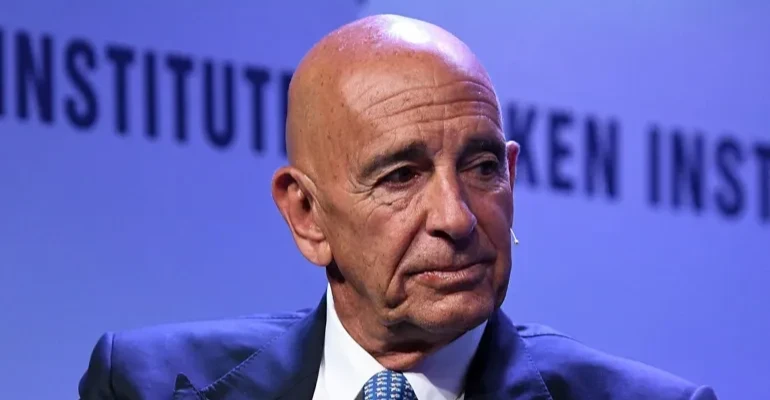
The United States is preparing to collaborate with Iraq’s newly appointed government, focusing on a transformative agenda that emphasizes stability, economic growth, and cooperative initiatives. This announcement came from U.S. envoy Tom Barrack following Iraq’s parliamentary approval of Prime Minister Ali Al-Zaidi’s cabinet, signaling a fresh start in U.S.-Iraq relations.
U.S. Support for Iraq’s New Leadership
Barrack highlighted the readiness of key U.S. figures, including President Donald Trump and Secretary of State Marco Rubio, to engage closely with Al-Zaidi’s administration. The U.S. is emphasizing its commitment to supporting Iraq’s counterterrorism efforts, reflecting a shared goal of stability in a region often marked by conflict. During a public statement, Barrack expressed congratulations to Al-Zaidi for securing parliamentary confidence, showcasing optimism about the new leadership’s potential to align with U.S. interests.
Parliamentary Developments and Challenges
Earlier today, Iraq’s Parliament officially granted confidence to the new cabinet, approving 14 ministers. However, votes on nine other portfolios, such as education and interior, were postponed due to objections concerning several nominees. This situation illustrates the complex dynamics within the Iraqi political landscape, where consensus is crucial yet often challenging to achieve.
A spokesperson for the U.S. State Department emphasized that future relations between Washington and Baghdad hinge on the involvement of Iran-linked armed groups in Iraqi state affairs. The U.S. is advocating for a stance that unequivocally rejects the role of these militias within state institutions, reinforcing the message that Iraqi public funds should not support such factions. This position highlights the delicate balance the new government must navigate in establishing a successful administration.
Washington’s Expectations Moving Forward
The U.S. administration is looking for tangible actions from Al-Zaidi’s government rather than mere rhetoric. This expectation underscores the significant weight the U.S. places on Iraq making decisive choices in aligning with U.S. interests, particularly regarding the influence of Iran on Iraqi politics. A clear message is being conveyed: the U.S. is prepared to adjust its approach based on the new government’s actions.
As Iraq aims to build a future grounded in stability and economic prosperity, the road ahead for Al-Zaidi’s administration may not be smooth. Aligning domestic policies with international expectations, particularly in minimizing external influences from neighboring Iran, will be critical. The challenges of governance will test the new leadership’s resolve and strategy in meeting the aspirations of the Iraqi populace.
With these developments, many in Iraq are hopeful for a shift towards a more stable and prosperous future. Building a governance framework that resonates with the needs of citizens while fostering international relations will be essential for the success of the new cabinet. As this narrative unfolds, all eyes will be on Iraq as it navigates the complexities of internal and external pressures in pursuit of positive change.