
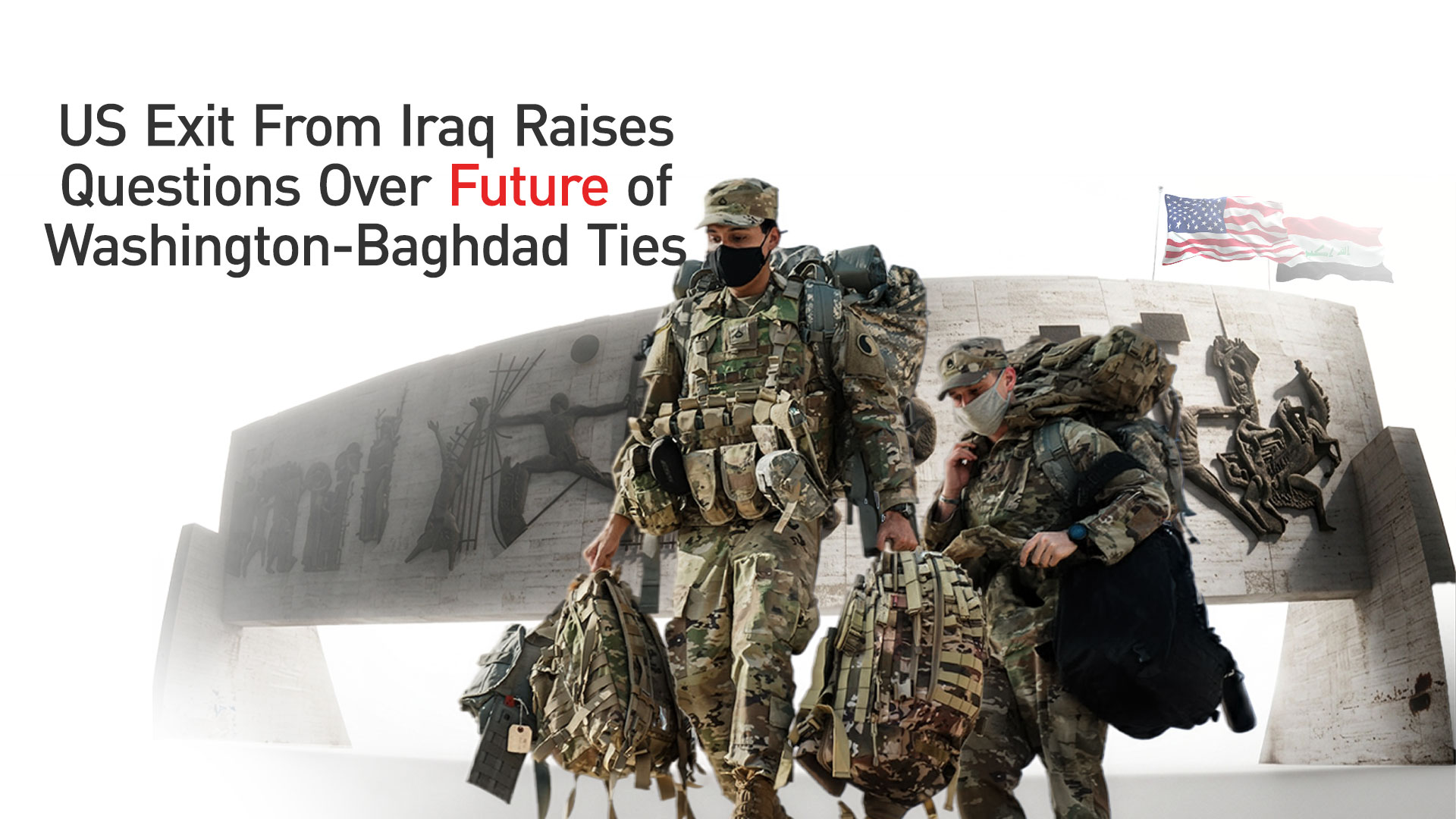
The potential for a comprehensive military withdrawal from Iraq by the United States raises significant concerns regarding the future of diplomatic ties between Washington and Baghdad. A recent analysis indicates that without decisive actions from Iraq, specifically in managing armed factions and curtailing Iranian influence, this withdrawal could jeopardize the longstanding partnership.
Impact of U.S. Withdrawal on U.S.-Iraq Relations
A report from the political analysis magazine War on the Rocks highlights the serious implications of the Biden administration’s plans to withdraw all military personnel from Iraq by September 30. The analysis contends that such a withdrawal might effectively terminate direct cooperation between the two nations, largely built upon security arrangements aimed at combating extremist organizations like ISIS. The absence of a U.S. military presence would remove the foundation that has sustained U.S.-Iraq relations over the past several years.
The report emphasizes that without a clearly defined strategy for future interactions between Washington and Baghdad, the probability of U.S. disengagement increases significantly. As domestic challenges arise in Iraq, particularly relating to armed groups influenced by Iran, the lack of robust governance could steer Iraq further into Iran’s sphere of influence. This situation presents a precarious scenario for U.S. interests in the region.
The Need for Baghdad to Control Armed Groups
Another critical element of maintaining a productive relationship lies in Iraq’s ability to bring various armed factions under state control. War on the Rocks articulates that the effectiveness of Iraq’s governance is essential to U.S. assessments of the relationship. Washington might reassess its support if these groups remain unchecked. The analysis indicates that the Iraqi government’s failure to disarm such factions could lead the U.S. to question the utility of its involvement in Iraq.
Furthermore, the report asserts that an escalation in Iranian influence, coupled with disarmament failures, would paint a bleak picture for future relations. If Iraq does not effectively manage these challenges within an appropriate timeframe, the chances of the U.S. losing interest in its partnership with Baghdad become more pronounced.
Potential Outcomes of U.S. Withdrawal
According to the findings, the eventual outcome of the U.S. military pullout could either herald a new phase of cooperation or spell disaster for bilateral relations. If Iraq can successfully manage armed groups and demonstrate solid governance, there’s potential for a redefined relationship based on diplomatic and economic interactions. Conversely, failure to do so could lead to a complete cessation of relations, which would have dire implications for Iraq’s stability and regional security.
The report concludes by warning that the consequences of a complete withdrawal without establishing a new framework for U.S.-Iraq relations could be severe, not just for the two nations but for the broader Middle Eastern landscape. The timing of these developments is critical; Iraq must act swiftly to assert control over its security situation to ensure a beneficial outcome for all parties involved.