
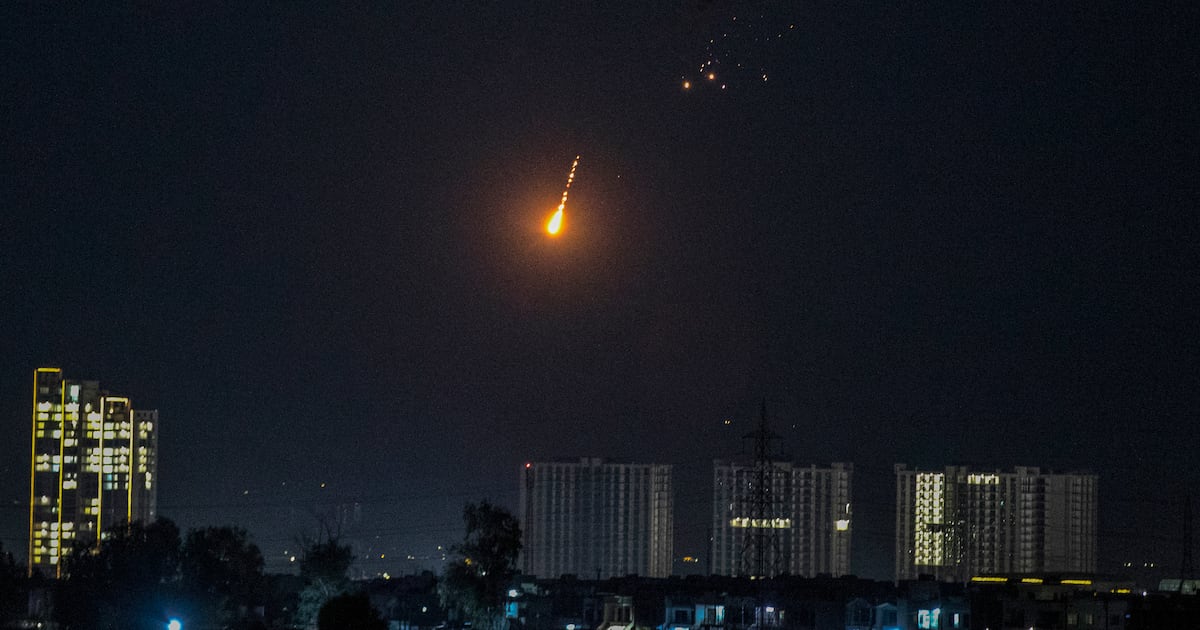
Countries bordering Iraq are reevaluating their security strategies due to the impending withdrawal of US-led coalition air defense systems. This shift removes a critical protective barrier along a route frequently targeted by Iranian missiles and drones, raising concerns about the potential escalation of conflict in the region.
Impact of US Withdrawal on Regional Security
The deadline for the withdrawal was set for September 30, 2024, during discussions between Baghdad and Washington, which aimed to change the role of the US-led coalition in Iraq from combat operations to bilateral security cooperation. The enhanced detection and interception capabilities previously provided by American forces, particularly in the Kurdistan Region, have been vital for countering threats from Iranian military assets. These developments are especially pertinent for neighboring nations like Jordan, Syria, and even Israel, which rely on the defensive posture enabled by US presence.
Qasim Al Araji, a security advisor to Iraq’s Prime Minister, has confirmed that this withdrawal will encompass all coalition air defense systems, even those stationed in the Kurdistan Region. This information has given rise to significant anxieties among countries in the vicinity. A regional security official noted, “Countries in the region are continuously revising their security calculations,” emphasizing that the withdrawal of crucial equipment is forcing nations to seek alternatives more urgently.
The Role of Air Defense Systems in Kurdistan
The air defense systems near Erbil, including Patriot and C-RAM technologies, have played a vital role in shielding US and coalition facilities from aerial attacks. Iraqi officials had previously suggested that the timeline for withdrawal would apply not only to military personnel but also to essential equipment. Analysts believe that the consequences might be “direct and significant,” particularly for the Kurdistan Region, as the capacity and readiness of Iraqi armed forces may decline sharply after the US exits.
A significant vulnerability is introduced by the potential weakening of Iraq’s air defense capabilities. Maan Al Jubouri, a security and strategic analyst, warns that the absence of these systems will impact Iraqi airspace considerably, making it easier for both neighboring states and armed factions to breach this space.
Broader Implications for Regional Geopolitics
The tactical landscape is shifting as Iraq becomes a corridor for missiles and drones amidst escalating tensions involving Iran, the US, and Israel. The region has seen various attacks across borders, leading to heightened military activities. The current state of affairs indicates that the absence of US air defense assets will affect not just Iraq but will also change the balance of military power in surrounding regions like Jordan and Syria.
For Jordan, which has become increasingly integrated into the US military framework, the implications are dire. The absence of American systems could significantly diminish detection and interception capabilities along its eastern front, exposing it to potential threats. Al Jubouri has made it clear that the security vacuum left by the US withdrawal will have a “direct and significant impact” on regional stability and will ultimately shift the balance of power.
Iraq’s Plans for Future Air Defense Capability
In response to these pressing issues, Iraqi officials are striving to develop an integrated national air defense system that includes a range of capabilities from long to short-range interceptors, along with improved radar and command infrastructure. The Iraqi Defense Ministry’s spokesman, Maj Gen Yahya Rasool, revealed that the government aims to accelerate its previous six-year development plan into three years. While this shift in timeline aims to enhance Iraq’s defensive posture, experts like Al Jubouri express skepticism about the feasibility of achieving these goals within such a compressed timeframe.
Building an effective air defense framework is complex; it requires not only advanced equipment but also the expertise necessary for operation and integration. Al Jubouri emphasized the need for specialized training and knowledge, asserting that achieving a robust defense capability is a long-term endeavor. As Iraq navigates this critical juncture, much remains to be seen regarding the evolution of security dynamics in the region.