
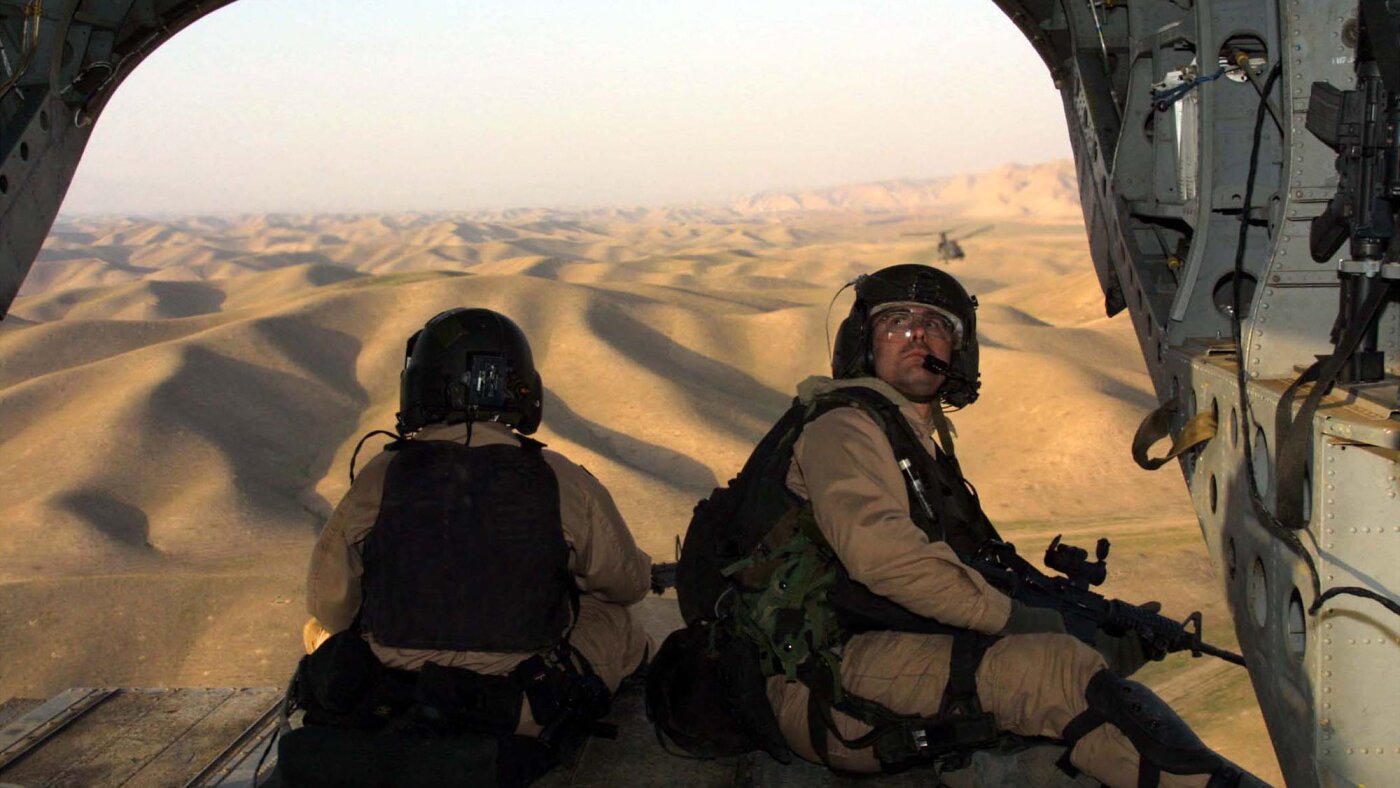
The United States has engaged in military conflict for over 20 of the last 25 years, primarily in the Middle East. These conflicts, which include extensive operations in Afghanistan, Iraq, and now escalating tensions with Iran, raise critical questions regarding the effectiveness of U.S. military strategies and political objectives. While U.S. presidents have consistently promoted the idea that overwhelming military force would quickly lead to victory, the reality has shown a complex and often disappointing aftermath.
Overwhelming Force vs. Political Outcomes
George W. Bush’s administration witnessed rapid military successes: the Taliban was ousted from Afghanistan in weeks, and Saddam Hussein was overthrown in Iraq shortly after. Donald Trump followed this path, leveraging aggressive airstrikes against Iranian targets with the intention of swiftly diminishing Iranian military strength. However, these initial victories have not led to the significant political changes that U.S. leadership hoped for; in fact, the Taliban has regained control of Afghanistan, Iraq struggles with ongoing instability, and Iran’s regime persists despite the U.S. military’s efforts.
Experts like Peter Bergen assert that while the U.S. excels at immediate military action—such as “breaking things and killing people”—it consistently fails to plan effectively for the post-conflict environment. This oversight leads to a vacuum of stability and governance, creating conditions for ongoing conflict.
A Misplaced Focus on Military Solutions
The U.S. appears to prioritize military solutions over diplomatic approaches, often operating under the illusion that swift military engagements will suffice to secure long-term peace. Paul Salem, a Middle East analyst, describes this as a mismatch between America’s “imperial appetite” and a “tourist’s approach.” He emphasizes that U.S. engagements in Iraq and Afghanistan, juxtaposed with similar intentions in Iran, reflect flawed strategies that don’t account for the complexities of local power structures and the necessity of long-term commitment.
Bergen adds that effective management of territorial occupations requires sustained efforts, such as learning local languages and integrating within communities. The U.S. military’s short deployments and reluctance to deeply engage in these regions create barriers to lasting peace.
The Dilemma of Asymmetric Warfare
Despite its military superiority, the U.S. has struggled against asymmetric warfare, where local forces employ unconventional tactics to counter a more powerful adversary. In Afghanistan and Iraq, insurgents utilized improvised explosive devices and suicide missions, which disrupted U.S. operations. Similarly, Iran has effectively employed low-cost drones and restricted access to critical maritime channels, demonstrating that conventional military might is not always a determinant of success.
Experts argue that reliance on military approaches has overshadowed critical diplomatic opportunities. Salem suggests that the U.S. has often dismissed valuable advice from the State Department, opting instead for blunt military action without fully understanding the complexities involved.
Lessons from Past Conflicts
Reflecting on past conflicts, analysts highlight that the first Gulf War offers valuable insights. In this conflict, the U.S. pursued well-defined objectives to liberate Kuwait without attempting regime change. The coordinated international effort under President George H.W. Bush, characterized by clear goals and a strong coalition, stands in contrast to later conflicts recognized as overreaching. Roosevelt’s succinct vision yielded decisive outcomes, emphasizing a crucial lesson: realistic objectives lead to successful military outcomes.
As the U.S. navigates its ongoing challenges with Iran, Paul Salem foresees that the situation may result in further conflicts, indicating that while current military efforts may inflict damage, they will not necessarily eliminate future threats. The complexity of the geopolitical landscape suggests that understanding this history and crafting a balanced approach—integrating both military and diplomatic efforts—will be essential in defining the U.S.’s future role in global affairs.