
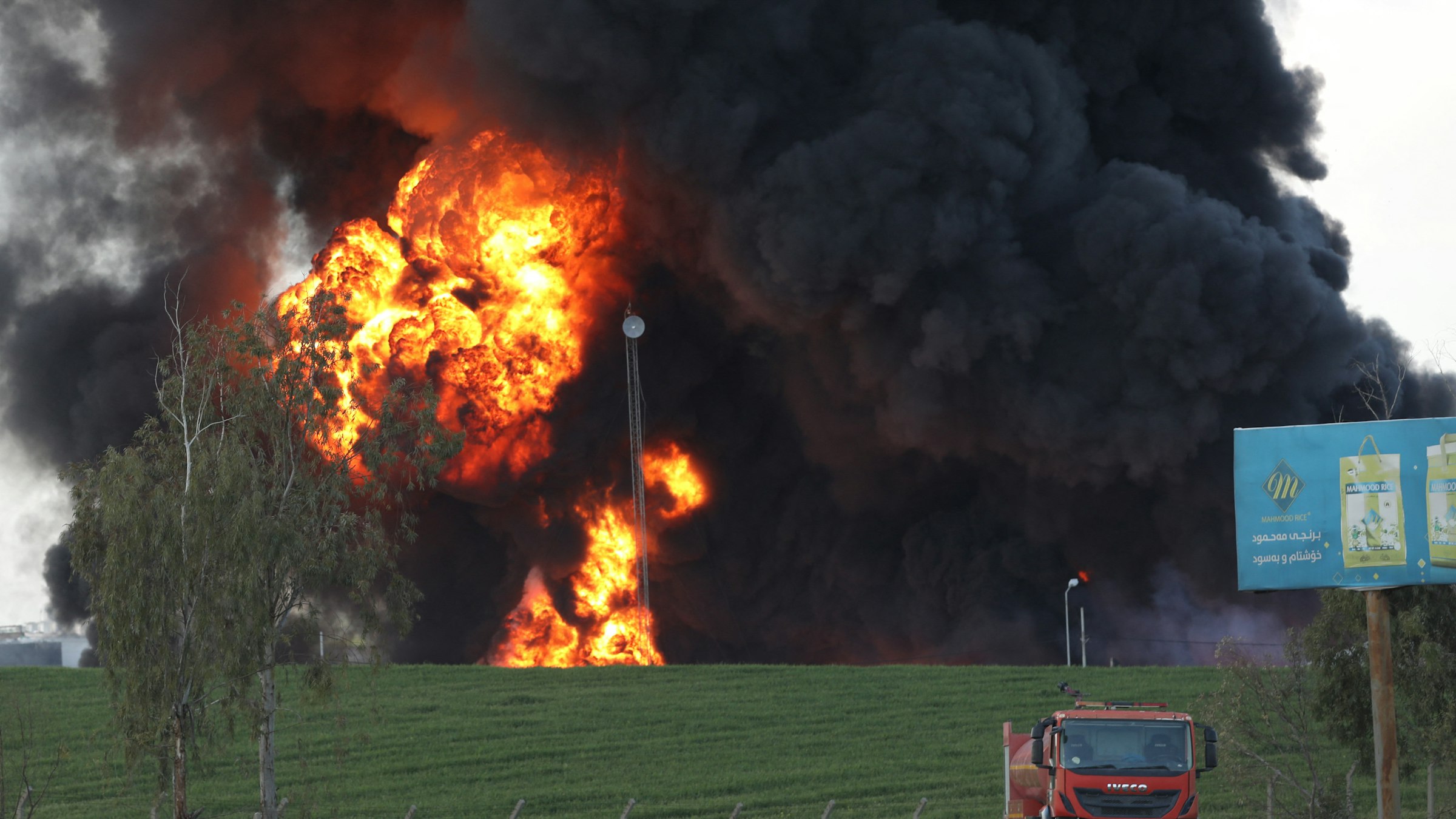
In recent years, intermittent regional conflicts have prompted a budding partnership between Baghdad and Erbil, particularly focusing on the deployment of air defense systems in the Kurdistan region. This initiative aims to safeguard vital oil and gas fields from ongoing drone attacks that have disrupted these areas in the past. Iraqi Prime Minister Ali Al-Zaidi has assured foreign energy firms that Iraq is committed to protecting their investments, signaling a new era of cooperation between the federal government and the semi-autonomous Kurdish region.
Shifting Dynamics in Iraq-Kurdistan Relations
The proposed deployment of air defense systems marks a significant shift in the historically complex relationship between the Iraqi federal government in Baghdad and the Kurdistan Regional Government (KRG) in Erbil. This dialogue on air defenses closely aligns with efforts by U.S. Special Presidential Envoy Thomas Barrack to create a unified economic and security framework between the two regions. However, it is crucial to note that the Kurdish leadership is determined to maintain control over their security matters while navigating the mounting pressures from Baghdad.
Despite the commitment to enhancing security collaboration, there is an underlying tension. Kurdish officials are acutely aware of Baghdad’s historical hesitance to confer additional security powers to the KRG. A recent high-level delegation from Baghdad visited Erbil to explore mechanisms for air defense deployment, indicating a potential realignment of priorities. Kurdish MP Sherwan Dubardani expressed optimism, stating that Baghdad might allow the KRG to manage the installation of air defenses at oil facilities, albeit amidst unclear control dynamics.
Motivations Behind the Cooperation
The impetus for this growing cooperation can be traced to the geopolitical climate and the vulnerabilities exposed by drone attacks targeting energy infrastructure, especially following recent hostilities involving U.S. and Israeli strikes against Iran. The Kurdistan region has found itself on the front lines of retaliations, with Iranian-aligned factions specifically attacking significant energy sites operated by international firms. These escalations have underscored the urgent need for robust security arrangements that protect both national and foreign interests.
As Iraqi officials grapple with the critical energy challenges, including halted local production and threats against foreign investments, Al-Zaidi’s administration seems eager to improve relations with Erbil. This motivation has been echoed by analysts who suggest that the air defense agreement could foster broader security collaboration, laying the groundwork for joint military exercises involving both the Iraqi Security Forces and the Kurdish Peshmerga. Such coordination may not only reassure foreign investors but also strengthen regional security mechanisms.
Long-Term Considerations and Future Directions
Despite the promising developments, the dynamics surrounding the provision of air defense systems to the KRG are more nuanced. Analysts warn that while these systems are necessary, they could become a vehicle for extending Baghdad’s influence over the Kurdistan region. The historical context of Kurdish autonomy and the current landscape of Iraqi politics complicate the implications of this military support.
The potential return of Western oil companies, such as Chevron and Halliburton, to Iraq is contingent on effective security frameworks that can mitigate threats from Iran-backed factions. Washington’s interests in balancing its involvement in Iraq while respecting Kurdish autonomy is delicate. Ensuring the KRG retains its unique security posture is vital for sustained cooperation, and any movements to dismantle Iran-aligned forces could further stabilize the region.
In summary, while the air defense deployment in Iraqi Kurdistan signals a promising step towards enhancing bilateral cooperation, the complexities of historical tensions and regional stability should not be overlooked. The evolution of these relationships in response to external threats will be pivotal in shaping the future of Iraq’s energy security and political landscape.