
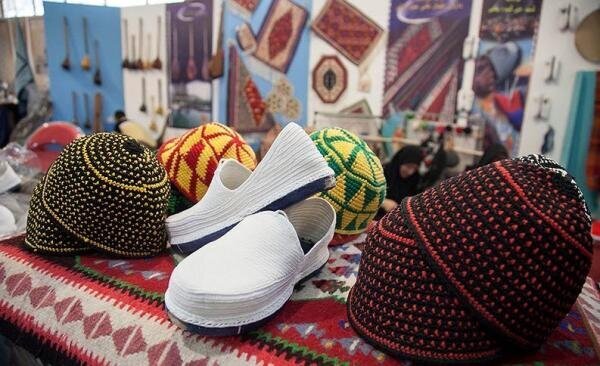
In an initiative aimed at enhancing the global market presence of local artisans, nearly 50 handicraft professionals from Kermanshah province, Iran, participated in a specialized training workshop focused on exporting traditional crafts to Iraq. The event, dubbed “Handicraft Exports to Iraq,” was coordinated by the Handicrafts Department of Kermanshah’s Cultural Heritage, Tourism and Handicrafts Office in conjunction with Madaen International, an export accelerator firm. This workshop underscores the commitment to expanding the international reach of Iran’s rich handicraft heritage.
Unlocking Export Opportunities
Amin Kogani, deputy head of handicrafts in Kermanshah province, highlighted the importance of diversifying market channels for local artisans, emphasizing that Iraq not only presents geographical proximity but also significant market potential. During the training session, participants gained insights into Iraq’s handicraft market, explored various marketing and sales strategies, learned foreign market entry requirements, and understood the practicalities of exporting goods. This foundational knowledge is imperative for Kermanshah’s artisans aiming to connect with international consumers.
Kogani also pointed out that merely creating high-quality handicrafts is inadequate for succeeding in global markets. Artisans must familiarize themselves with their target audiences, including consumer preferences, effective marketing approaches, packaging guidelines, sales strategies, and export regulations. This training is intended to bridge the gap from production to market access.
Leveraging Cultural Heritage for Economic Growth
The Kermanshah handicrafts department is not only dedicated to fostering the production of traditional crafts but also to maintaining their authenticity while providing more opportunities for local artisans. Kogani described Iraq not just as a neighboring market but also as a gateway for broader export opportunities, allowing Kermanshah’s artistic capabilities to shine on a larger stage. The workshop’s focus also encompassed practical strategies to penetrate the Iraqi market, equipping participants with a better understanding of marketing and sales avenues.
Iran boasts a diverse array of handicrafts that reflect its rich cultural heritage, such as Persian carpets, pottery, metalwork, and woodcarving. These crafts are not merely products but also embody centuries of tradition and cultural significance. The handicraft sector has significant potential to uplift communities by creating jobs and fostering small businesses, particularly benefiting women and rural populations.
Strategic Steps for Market Integration
However, expanding into international markets necessitates more than just creating exceptional goods. Artisans must identify consumer preferences, adapt product presentations, ensure proper packaging, and develop recognizable brands. Utilizing digital marketing and e-commerce can empower artisans to reach global customers directly, reducing reliance on traditional distribution channels.
The geographical closeness to countries like Iraq provides a fertile ground for Iranian handicrafts, supported by historical trade relationships. Kermanshah province can capitalize on these connections to launch cross-border trade initiatives. Educating artisans on export processes, pricing strategies, market research, and international sales can transform these opportunities into sustainable livelihoods.
Ultimately, strengthening collaborative ties among handicraft producers, export firms, trade organizations, and cultural entities can enhance the overall competitiveness of the sector. By merging the timeless appeal of Iranian craftsmanship with modern business acumen, Iran can expand its handicrafts’ international presence while supporting local artisans and preserving its cultural legacy.