
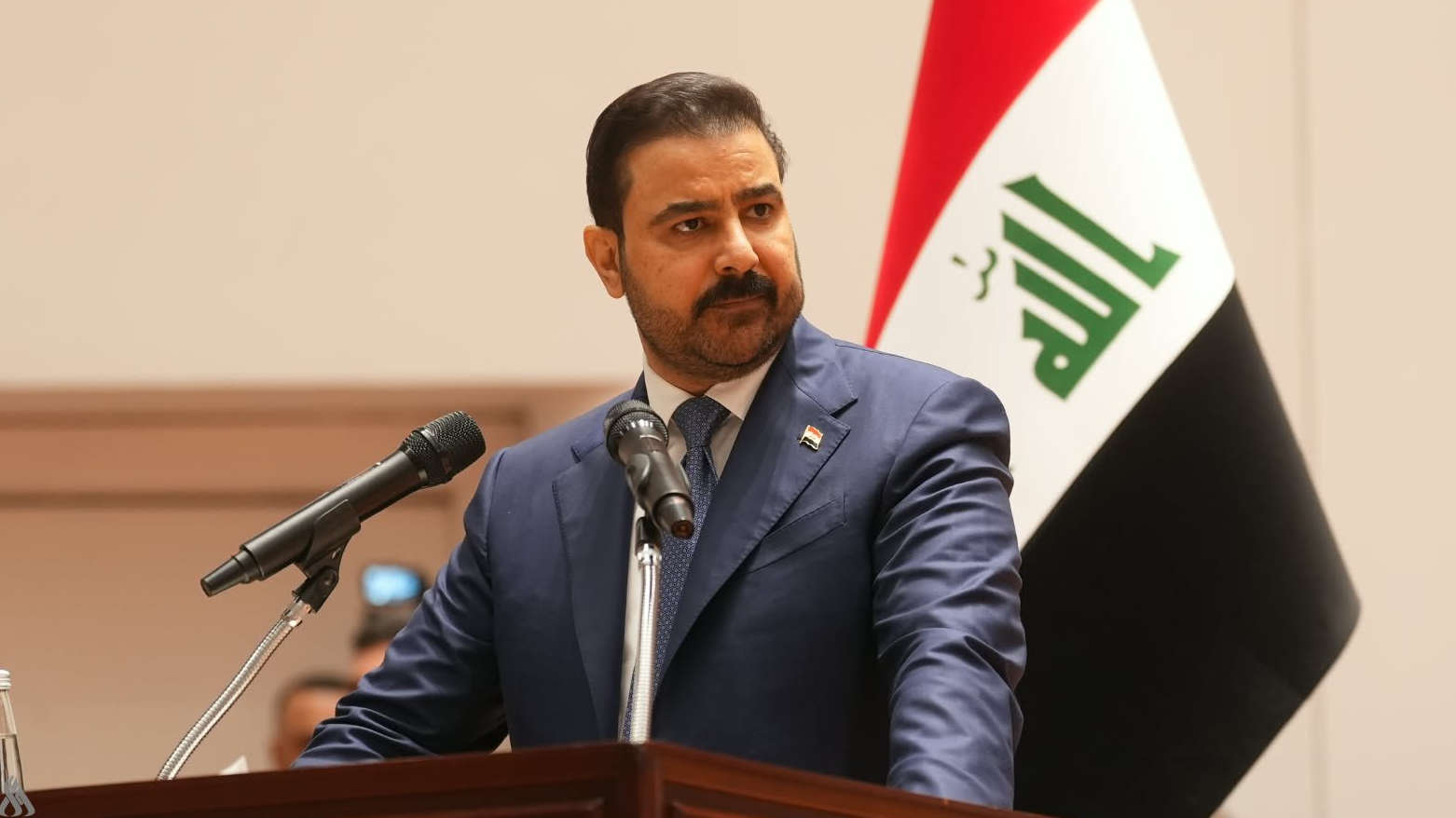
Iraqi Prime Minister Ali al-Zaidi recently announced significant developments regarding the nation’s armed groups, regional stability, and economic reforms. As Iraq aims to reclaim control over its security landscape and improve its economic situation, al-Zaidi outlined critical strategies during a press briefing.
Transition of Arms Control and Security Stabilization
During a recent statement, al-Zaidi committed to ensuring that armed groups will surrender their weapons to the Iraqi state by June 30. He articulated a firm stance on the necessity of arms being under state control, declaring that “Iraq is a state with groups, not groups owning the state.” He emphasized that significant progress has already been made in weapon de-escalation, with discussions happening with multiple armed factions regarding compliance. By the stated deadline, the prime minister envisions a nation where only state security forces are armed, effectively minimizing the influence of non-state actors.
In addressing regional tensions, he assured that Iraq would not be drawn into external conflicts but would instead position itself as a mediator among warring factions. The government is focused on facilitating negotiations and fostering an environment of peace. Moreover, al-Zaidi confirmed that all foreign military personnel, including American troops, have withdrawn from Iraq, eliminating prior justifications for the presence of armed groups.
Economic Reforms and Combatting Corruption
The Prime Minister revealed his administration’s measures aimed at tackling corruption within Iraq’s systems. Despite the challenges, he noted a reduction in corrupt practices over the last five months. Al-Zaidi recognized that corruption had formed a systemic culture but asserted that dismantling this structure is pivotal for the state’s foundation. He insisted that relentless efforts would continue to combat corruption, signifying a long-term commitment to transparency.
On the economic front, al-Zaidi discussed the oil sector and its vital role in Iraq’s financial landscape. He noted previous sales practices where oil was sold at significantly reduced rates, inviting opportunities for corruption. By reassessing contractual terms and prices, he projected an influx of approximately 80 trillion dinars in revenue over the next four years. Moreover, he is committed to diversifying oil export routes to mitigate risks associated with geopolitical tensions in the Strait of Hormuz.
International Relations and Future Goals
On the topic of international relations, al-Zaidi maintained that Iraq seeks to foster amicable ties with its neighbors, particularly during his upcoming visit to Saudi Arabia. This visit is designed to strengthen relations and engage in conversations about regional security. He affirmed the government’s intention to maintain open borders, especially with Iran, to prevent self-imposed economic sanctions.
His vision also includes ambitious economic reforms aimed at increasing non-oil revenue from the current 19% to a target of 30% during his administration. The Prime Minister mentioned initiatives to reduce import costs on essential goods and taxes for commodities like fruits, vegetables, and medicines, aiming to alleviate the financial strain on citizens. Additionally, he highlighted efforts to optimize government spending while ensuring that services and public needs are addressed effectively.
Al-Zaidi’s government is poised for transformative measures intended to uplift Iraq’s economy and restore its security framework. As reforms are implemented to tackle corruption and control arms, Iraq aims for a brighter, more stable future, serving as a bridge for peace in the region.