
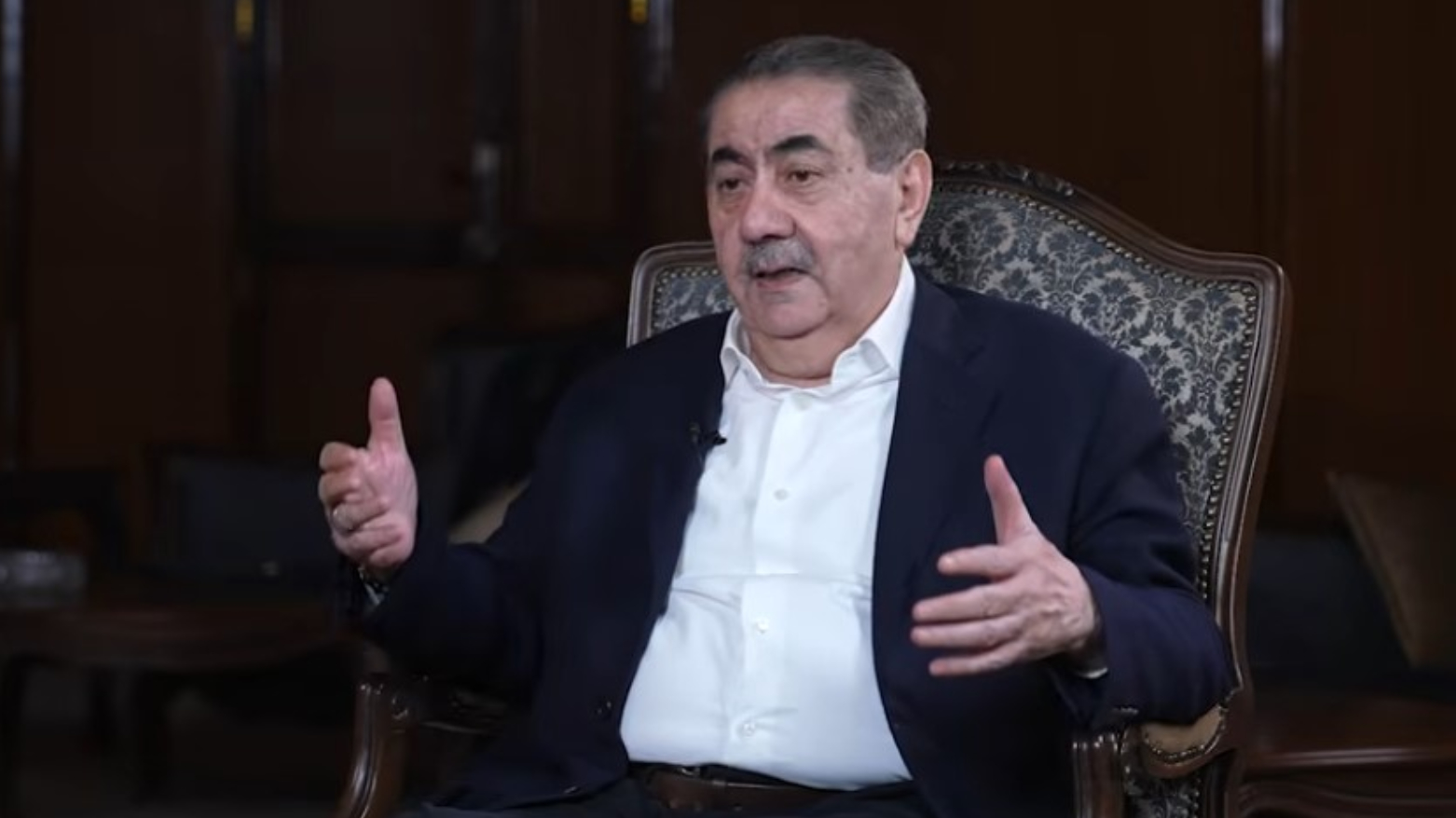
Hoshyar Zebari, a prominent former Iraqi foreign and finance minister, recently shared his insights on the ongoing dynamics in Iraq and the implications of the international coalition’s withdrawal. As a senior figure in the Kurdistan Democratic Party (KDP), Zebari emphasizes that the exit of coalition forces doesn’t signify the end of American influence in Iraq. In his interview, he cautioned that the complexities of Iraq’s global financial connections mean that complete isolation from these influences is unfeasible.
Impact of Coalition Withdrawal
Zebari urges against the misconceptions that have surfaced regarding the departure of American forces, particularly claims suggesting a “festival of sovereignty.” According to him, the coalition troops were not occupiers but were invited by the Iraqi government in 2014 to confront the threat posed by ISIS. He clarifies that their exit, scheduled between September 2025 and 2026, was agreed upon through mutual consent and understanding, rather than the rhetoric of expulsion promoted by some factions.
The implications of the coalition’s withdrawal extend beyond military presence. Zebari asserts that the reduction of U.S. troops does not eliminate the country’s political, economic, and security influence in Iraq. The existing Strategic Framework Agreement binds Iraq to global dynamics, especially in terms of the financial systems largely governed by the U.S. He stressed that if U.S. dollar transactions were to cease, the impact on the Iraqi economy could be catastrophic, potentially collapsing its market within hours.
Challenges to Iraq’s Sovereignty
Discussing the question of arms possession in Iraq, Zebari delineates the difference between common light arms and more hazardous medium and heavy weaponry, particularly drones and ballistic missiles. He emphasizes that these advanced weapons threaten Iraq’s sovereignty and economic stability. Zebari points out that using Iraqi territory to target foreign interests, such as Saudi oil facilities, undermines Iraq’s stability and is detrimental to its people.
Additionally, he confirms the presence of Houthi members—Ansar Allah—in Iraq and indicates their involvement with Iranian advisors. A recent U.S. airstrike, according to him, targeted individuals linked to drone and missile operations, showcasing the complex security landscape Iraq navigates. The visibility of funerals for these individuals on Iraqi media underscores the intricacies of regional alliances and conflicts.
Iraq’s Regional Relations and Economic Futures
Zebari also discussed his recent diplomatic endeavors, revealing an unannounced visit to Syria to facilitate communication between Baghdad and Damascus. This engagement signals a positive shift toward normalizing relations and economic collaboration, a necessary step given Syria’s geographic significance for Iraq’s oil export routes. By fostering bilateral ties, Iraq could potentially lessen its vulnerability to disruptions in the Strait of Hormuz, which remains critical to its oil-dependent economy.
In light of these discussions, Zebari advocates for diversifying Iraq’s oil export routes. He proposes utilizing pipelines through Jordan and Türkiye, thus creating alternative avenues for Iraq’s substantial oil revenues. These steps are vital as the nation seeks stability in an ever-evolving regional landscape, balancing relations with Iran, Türkiye, and other neighboring states to ensure economic resilience and security.
As Iraq contemplates its future, concerns about the resurgence of ISIS remain prevalent. Zebari affirms that the security measures in place, such as the role of the Peshmerga and the coordination with the Federal Government, have strengthened Iraq’s defenses. He notes that changing conditions in Syria and improved governance could mitigate the risks of terrorism compared to the past.
In closing, Zebari reflects on Iraq’s path forward, highlighting the significance of maximizing state-to-state relations, including possible normalization with other nations. He underscores that Iraq must navigate these interactions based on mutual interests and respect, positioning itself as a sovereign state in a transforming region.