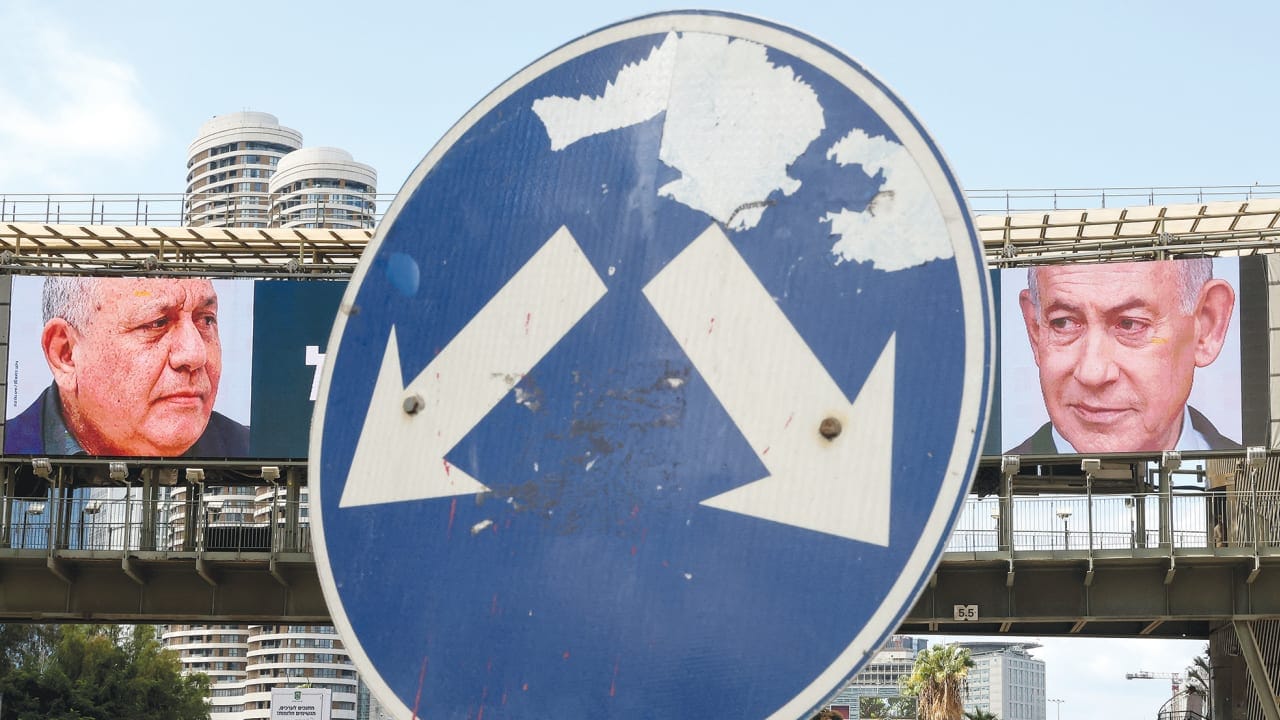
Danny Kushmaro introduces the election segment of Channel 12’s nightly news by describing the upcoming elections in Israel as some of the most significant in the country’s history. This assertion is echoed widely, with phrases like “Israel’s most crucial elections” frequently used throughout the campaign.
The Importance and Context of Elections in Israel
Reflecting on the past, one can almost hear the echoes of Ecclesiastes: “Don’t say, ‘How was it that the former days were better than these?’” Such wisdom serves as a cautionary note against romanticizing the past. It’s essential to adopt a broader perspective for the forthcoming elections; we shouldn’t assume they hold greater importance than those that preceded them. This tendency to amplify each election’s significance is something we’ve consistently observed throughout Israeli politics.
Indeed, every election feels like the most consequential yet. The December 1973 elections closely followed the Yom Kippur War and were considered pivotal. The 1977 election brought a transformative shift, ushering Menachem Begin into power. Also noteworthy were the elections of 1996, held just months after Yitzhak Rabin was assassinated, and Ariel Sharon’s victory over Ehud Barak in 2001 during a tumultuous period for Israeli-Palestinian relations. Each of these elections was deemed “fateful,” and yet here we are again, faced with similar proclamations.
Rising Stakes and Political Legitimacy
This rhetoric shifts the tone of political discourse. Labeling the current election as the most important creates a high-stakes environment, making defeat seem unmanageable rather than a simple setback. Such framing complicates the acceptance of electoral outcomes. Since Naftali Bennett’s coalition government took over in 2021, the discourse surrounding governance has moved beyond mere preferences to a battleground over the very legitimacy of opposing parties.
Anticipation warps into hostility when opponents view loss as a failure of democratic processes rather than a legitimate outcome of elections. After Bennett took office, Netanyahu described the government’s formation as “the greatest election fraud,” framing the legitimate parliamentary process as illegitimate. The subsequent opposition aimed not just to challenge policies but to undermine the existing government at every turn.
Impact on Future Governance
This leads us to a pressing question: will the newly elected government receive the latitude it needs to govern effectively? As we approach this pivotal vote, we need to consider whether it’s possible to find a middle ground for managing governance post-election. Labeling this election as “the most fateful ever” might create a foundation for refusal to accept the results, making it harder to embrace new leadership, regardless of its composition.
While these elections are undeniably significant, they are not singularly transformative compared to their predecessors. Israel requires a functioning government that has the capacity to work through its mandate effectively. Accepting the election results in no way means endorsing the new government or relinquishing the right to protest; rather, it emphasizes the importance of respecting the democratic process.
The Importance of Political Compromise
The negative consequences of extreme electoral rhetoric may galvanize voters while simultaneously creating an environment that hinders acceptance of defeat. In the face of challenges, politicians need to learn the art of compromise and adaptability—skills that are essential for any functioning coalition government. If political leaders commit to rigid promises that foreclose future alliances, they risk duplicating past failures, resulting in protracted political deadlock.
Ultimately, while each election narratively feels monumental, the ability to govern effectively hinges on maintaining an open mind towards collaboration and compromise. Is it vital to navigate the complexities ahead with a focus on governance rather than an ongoing battle about legitimacy? Only time will reveal how these dynamics will unfold in the next chapter of Israel’s political saga.