
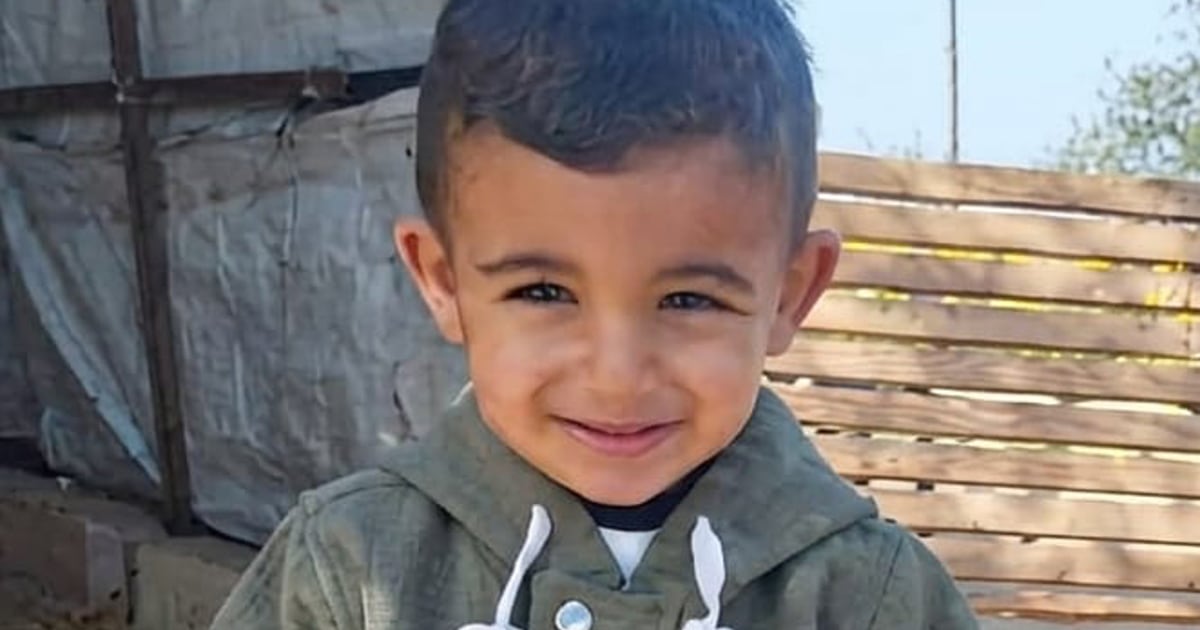
They were meant to be protected.
### The Incident That Shook a Community
Bahaa Abu al-Ajeen and his three-year-old son, Rayan, were making their way back to what little shelter they had—a tarpaulin-covered shack on a war-ravaged farm in central Gaza. Their daily existence was defined by struggle, yet they were moving through an area that was supposedly secured, known locally as the “yellow line.” This boundary, marked by yellow blocks and flags, separates Palestinian territories from areas under Israeli military oversight. One moment, they were walking home; the next, their world shattered.
### A Moment of Terror
As they approached, Israeli soldiers confronted them. Al-Ajeen recounted his bewilderment as he froze in place, unsure whether to advance or retreat. Rayan’s cries echoed in the tense air, and instinctively, Al-Ajeen scooped his son into his arms and tried to move away. But the situation escalated rapidly, culminating in the soldiers firing what they later labeled as “warning shots.” The impact was immediate—one of those shots struck Rayan in the head, leaving his father speechless with horror.
### Seeking Help Under Duress
In the chaos, Al-Ajeen attempted to summon medical assistance, but the soldiers confiscated his phone and forcibly pulled him across the yellow line, still clutching Rayan, who was bleeding profusely. “The child is dying. You killed him in cold blood,” were the desperate words he shouted, pleading for help. Tragically, no medical support arrived for his son during their detention, and it would take hours before Al-Ajeen received treatment for his own gunshot wound.
### Growing Concerns Over Child Safety
Rayan’s tragic death is part of a grim trend that has drawn international scrutiny. Reports indicate a disturbing pattern of violence against Palestinian children, raising serious questions about Israel’s military tactics. Recent findings from a United Nations commission suggest that Israel may have been intentionally targeting children, thus contributing to acts classified as genocide and war crimes. The commission concluded that these actions might be part of a broader strategy aimed at undermining the future of Palestinians.
### The Official Response
In response to inquiries regarding Al-Ajeen’s case, the Israel Defense Forces (IDF) asserted that their troops were acting in response to the sight of multiple individuals approaching their location. They stated that standard operational procedures were followed, which included warning shots. However, the aftermath of the incident indicates the gravity of their actions. The IDF acknowledged that one individual was killed while another sustained injuries, but further details were withheld, leaving many questions unanswered.
### The Broader Implications
Rayan’s death raises critical considerations about the safety of civilians, especially children, in conflict zones. These tragic instances of violence not only affect individual lives but also resonate through communities, igniting further tension and fear. The blurred lines between military operations and civilian safety continue to challenge norms of warfare, complicating both humanitarian efforts and diplomatic discussions.
The unfolding situation is exploratory, prompting calls for accountability and a reevaluation of military protocols. As the world watches, the plea for peace is more urgent than ever—begging for protection of the most vulnerable among us.