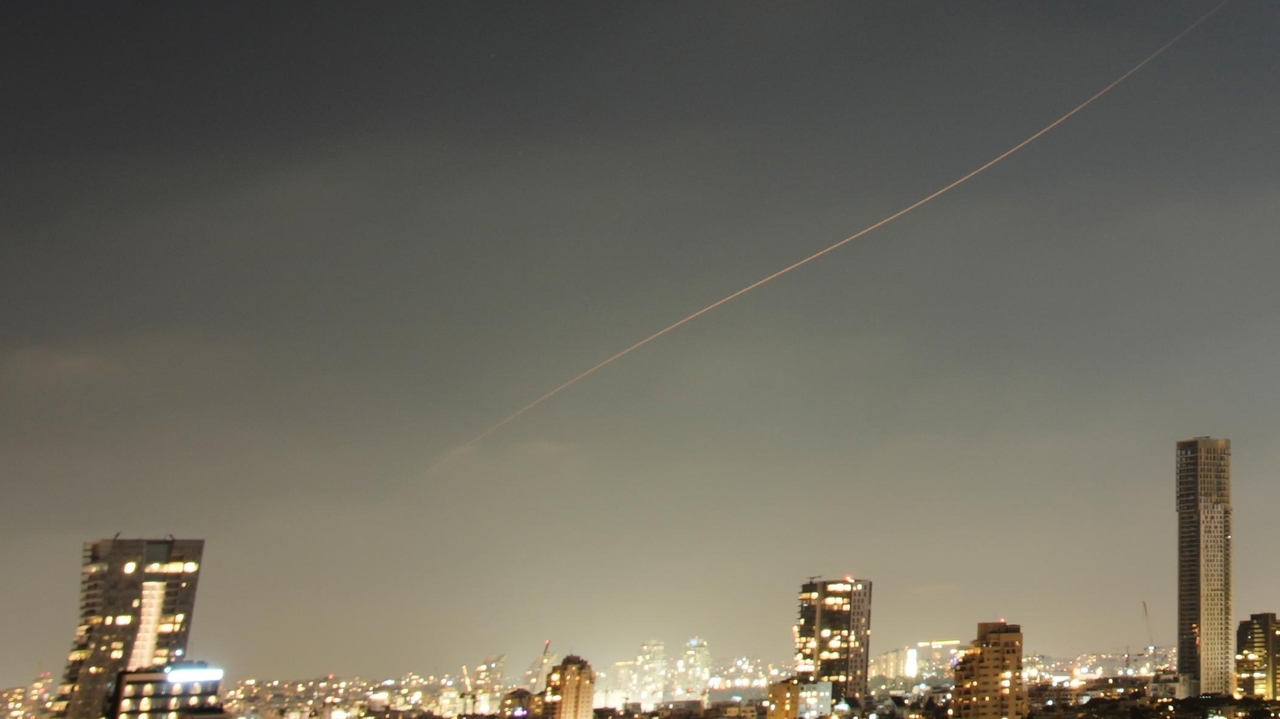
The situation in the Middle East has taken a tense turn as tensions escalate between Iran and Israel. Following a missile attack by Iran on Israel late Sunday, the region stands on the brink of renewed conflict, marking the first significant military action in two months since a fragile ceasefire was established.
Ceasefire Breakdown and Ongoing Conflict
The ceasefire that was initially worked out in April has not extended to all factions involved. Particularly in Lebanon, where Iranian-backed Hezbollah has been engaged in fierce clashes with Israeli forces, the situation remains precarious. Israel asserts that its military actions are necessary to protect its northern borders, where Hezbollah continues to launch drone and rocket assaults. This ongoing violence has prompted Iran to label Israeli military operations, which include a considerable troop presence and airstrikes in Lebanese territory, as breaches of the ceasefire.
While Israel insists that negotiations must differentiate between the Iranian operations and those of Hezbollah, Iran is adamant that any agreement with the United States must address the conflict in Lebanon directly. This fundamental disagreement puts both sides on a collision course, threatening to escalate hostilities even further.
Timeline of Key Developments
To understand the evolving dynamics, here’s a look at crucial milestones in recent events:
-
February 28: The United States and Israel initiated strikes against Iran, marking the onset of the current conflict.
-
March 2: Hezbollah formally joined the fight, targeting Israel, which promptly retaliated.
-
April 7: A tenuous ceasefire was declared in the Iran conflict, although Israel was left out of subsequent negotiations.
-
April 8: Israel executed a devastating aerial bombardment on Beirut, resulting in significant civilian casualties.
-
April 14: For the first time in decades, Israel and Lebanon engaged in direct diplomatic discussions in Washington.
-
April 17: A temporary ceasefire was announced between Israel and Lebanon, yet Hezbollah was not part of the agreement, leading to a resumption of hostilities almost immediately.
-
May 31: Israel launched a significant ground invasion into Lebanon, marking its most extensive military engagement in over 25 years.
-
June 1: Israeli Prime Minister Benjamin Netanyahu issued a stern warning to Beirut, while U.S. President Donald Trump advocated for a de-escalation of tensions.
-
June 2: Israeli drone strikes killed at least 11 individuals in Lebanon, further inflaming the situation.
-
June 3: Both nations appeared to agree to reestablish a fragile ceasefire and outlined security zones that would exclude Hezbollah.
-
June 4: Hezbollah’s leader dismissed the ceasefire, demanding Israel’s complete withdrawal from Lebanon.
-
June 5: Iran’s Revolutionary Guard warned that tranquility in the region was unattainable as long as Israel remained involved.
-
June 6: Israeli airstrikes again targeted Southern Lebanon, claiming the lives of three Lebanese military personnel.
-
June 7: The cycle of retaliation continued, with Hezbollah firing again at Israel and Israel responding with strikes in Beirut’s suburbs.
This timeline underscores the volatility of the current situation. As both sides continue to engage in a cycle of attacks and defensive maneuvers, the specter of a broader conflict looms large, impacting not just the immediate areas but the entire Middle East. Global observers remain attentive, recognizing the potential for these hostilities to escalate into wider regional instability.