
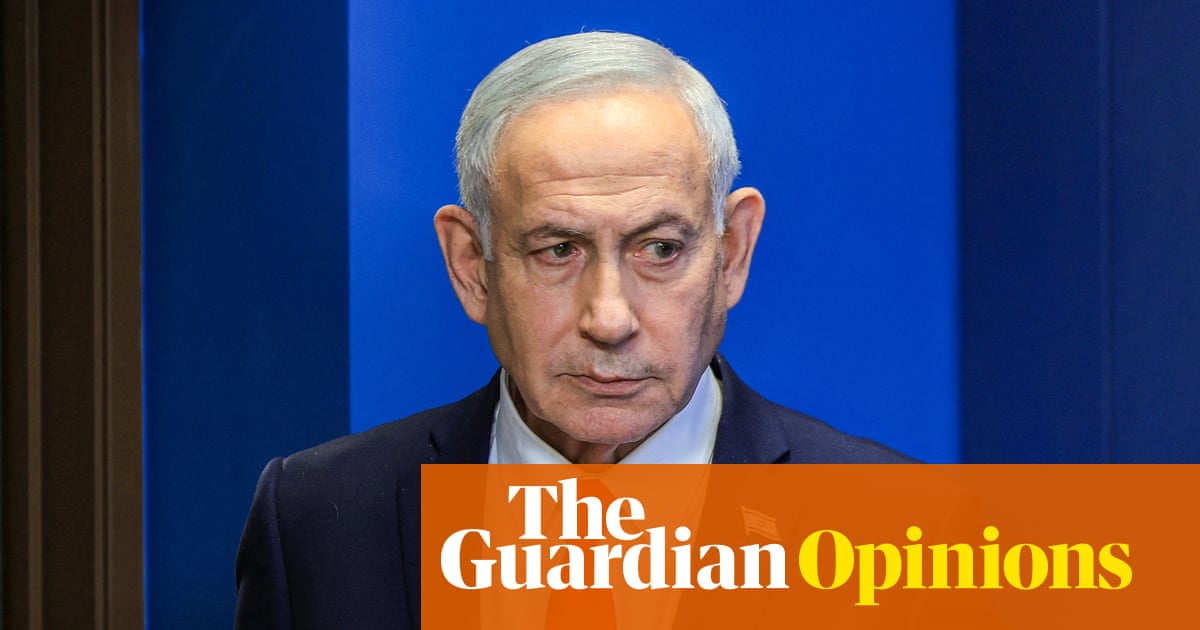
The relationship between the United States and Israel is undergoing significant transformation, influenced by a shift in generational perspectives. Increasing discontent is palpable, attributed in part to Israel’s military actions in Gaza and the implications of Benjamin Netanyahu’s foreign policy decisions, particularly the alignment with Donald Trump during the contentious conflict with Iran.
The Historical Context of US-Israel Relations
Historically, the bond between the two nations was not as unwavering as it has become in recent years. When Israel was established in 1948, the U.S. provided support stringently, with President Harry Truman denying the provision of arms initially. The dynamic began to change in the wake of conflicts in the 1960s, particularly after the 1967 and 1973 wars, when the U.S. began supporting Israel as a strategic ally against Soviet influence in the Middle East. This support slowly evolved into a more unconditional alliance that many argue has endured without necessary scrutiny.
During the intervening years, questioning Israel’s actions became increasingly taboo among U.S. officials and within public discourse. However, reports from organizations like Human Rights Watch highlighted the disparities between Israeli authorities and Palestinian rights, facing a lukewarm reception in U.S. political arenas. Even amid grave humanitarian crises, such as those witnessed in Gaza, unconditional military aid continued to flow, revealing an imbalanced prioritization of support over accountability.
The Shift in Public Opinion
Recent developments suggest a notable shift in American public opinion regarding Israel, particularly among younger demographics and progressive circles. Polls indicate rising negativity towards Israel, especially within the Democratic Party, where support has plummeted in correlation with Israel’s military strategies. A significant 60% of American adults now express unfavorable opinions about Israel, with even higher percentages among Democrats and younger voters. This generational shift is influential, reshaping the political narrative surrounding U.S. foreign policy towards Israel and the Palestinian territories.
Adding complexity to the situation is the evolving stance of influential groups, notably younger Christian evangelicals, whose perspectives seem less tethered to traditional support for Israel compared to older generations. This change in allegiance signals that strategies solely relying on previous alliances may no longer resonate with the evolving ideals of upcoming voters.
The Dissonance in Leadership
The contrast between the leadership styles of Donald Trump and Joe Biden has illuminated these tensions. While Trump has at times advocated for a ceasefire and attempted to maneuver negotiations with Iran, Biden’s more traditional stance has been criticized for lacking the urgency to hold Israel accountable for its military actions. This division may reflect a broader ideological rift within the Republican Party, as well, where isolationist sentiments conflict with the more hawkish views traditionally prevalent in U.S. foreign policy.
As the political landscape evolves, figures like Netanyahu may find themselves increasingly isolated if they fail to adapt to changing public sentiment regarding the ongoing conflict and military strategy in the region. This isolation could hinder Israel’s ability to rely on U.S. support as it has historically done, with younger voters leading the charge for a reevaluation of America’s role in perpetuating cycles of violence.
The Path Forward
Looking ahead, both U.S. and Israeli leaders may need to reconsider their strategies if they hope to navigate this turbulent political climate. A potential reevaluation of military support for Israel, coupled with dialogue emphasizing Palestinian rights, could open up avenues for lasting peace. Understanding that unconditional aid fosters a sense of impunity may prompt a necessary reckoning with the realities of occupation and conflict.
Ultimately, the landscape of U.S.-Israel relations may no longer be one of unwavering support, but rather a complex interplay of accountability, public sentiment, and the shared desire for peace in a region fraught with conflict. As new generations continue to advocate for change, the time may come for both nations to forge a path that embraces diplomatic solutions and acknowledges the humanity of all parties involved.