
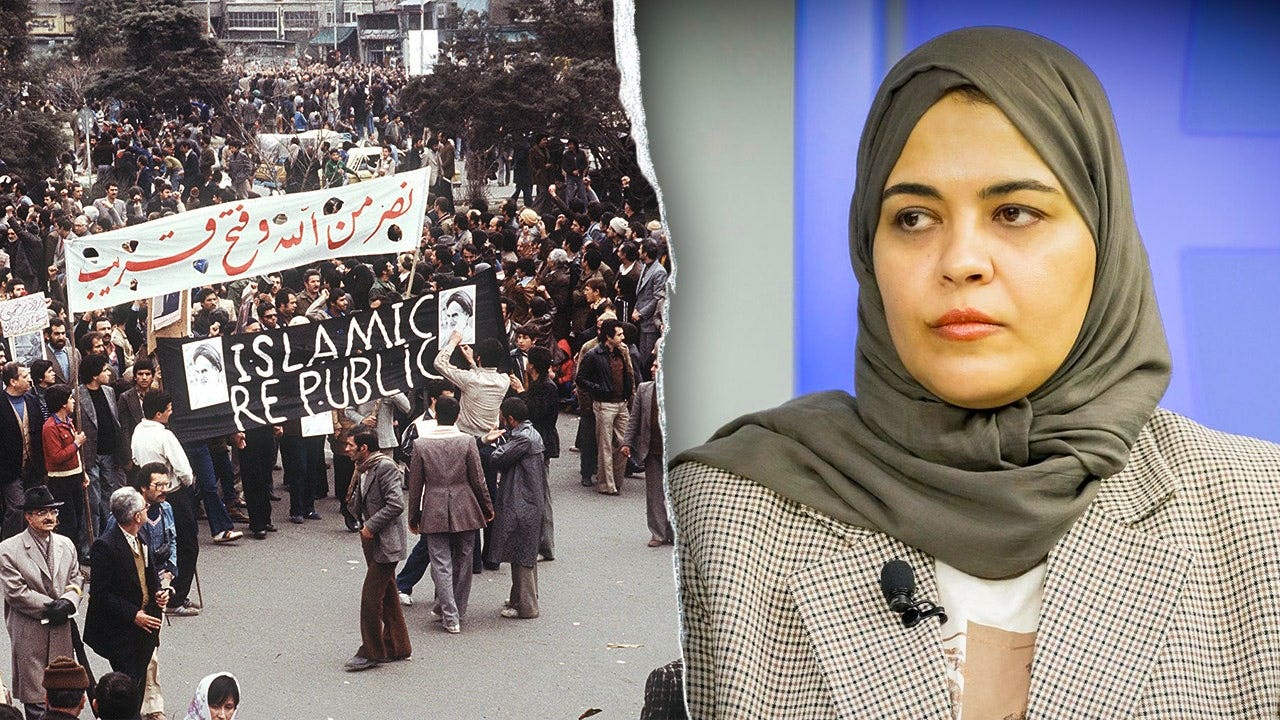
A prominent Muslim scholar, who had to leave Egypt after criticizing Hamas’ attacks, is cautioning the American left about potential alliances with Islamist extremism. Dalia Ziada, an expert in Middle Eastern issues and with a role at the Institute for the Study of Global Antisemitism and Policy in Washington, D.C., warns that history might repeat itself in the U.S., much like Iran’s transformation in 1979 following a similar confluence of ideologies.
The Rise of Alliances
Ziada’s insights emerge against the backdrop of a vast network of anti-Israel activist groups that are preparing for coordinated demonstrations worldwide, particularly marking the “Nakba 78” protests. These gatherings utilize the anniversary of Israel’s establishment to question its legitimacy, with some factions even advocating for its dismantling. Ziada states, “For several years, we’ve noticed a troubling connection between radical left groups and Islamist movements that oppose Western liberal democracies.”
Ziada speculates that this alliance is gaining traction due to a shared adversarial stance towards the West. She describes the collaboration as a “sinful marriage” between two ideologies that ultimately aim to dismantle the existing democratic structures, believing they can create a new world order based on their respective ideologies. Notably, this coalition includes groups linked to the Muslim Brotherhood, which has previously capitalized on the Palestinian issue for support in the West.
Patterns of Protest and Mobilization
An investigation by Fox News revealed that around 425 organizations across the globe, ranging from communist factions to Muslim advocacy groups, are working together in a transnational protest network. This network is reportedly well-funded, with an estimated annual revenue of $1 billion. These groups are mobilizing across 39 countries, showing the extent of anti-Israel sentiment that has been amplified in recent months, particularly in the aftermath of the brutal Hamas attacks on October 7.
Ziada highlights that such events are often organized globally, characterized by a unified narrative that demonizes Israel. The rhetoric employed during these protests frequently features terms like “genocide” and “apartheid,” reflecting a broader and increasingly coordinated agenda against Israel. Ziada refers to the term “Nakba” as a recontextualized phrase originally meant to also critique Arab leaders, underscoring how these demonstrations are disconnected from their historical roots.
Lessons from History
Drawing parallels with the 1979 Iranian Revolution, Ziada underscores a crucial lesson: alliances between radical left groups and Islamists can result in unforeseen consequences. She recounts how leftists initially believed they would improve their country through collaboration, only to be sacrificed in the subsequent power shifts. This cautions against the possibility of similar outcomes in the United States, where short-term partnerships may crumble as power dynamics evolve.
According to Ziada, the ideological disparities between these movements are significant. While they may exhibit unified opposition for a time, their long-term objectives are fundamentally at odds. The resulting tension could lead to fractures within these alliances once they secure the power they initially seek. Her experiences observing these dynamics in the Middle East fuel her concerns for the future of America, a nation she regards as a beacon of hope.
In her concluding remarks, Ziada expresses her trepidation about the potential for the U.S. to follow the same destructive path as her homeland. She has witnessed the chaos wrought by ideological fervor in Egypt and is determined to prevent a similar fate for the United States, which she views as a sanctuary that offered her education and refuge. Her warnings serve as a stark reminder of the complexities of ideological alliances and their potential consequences for democracy.