
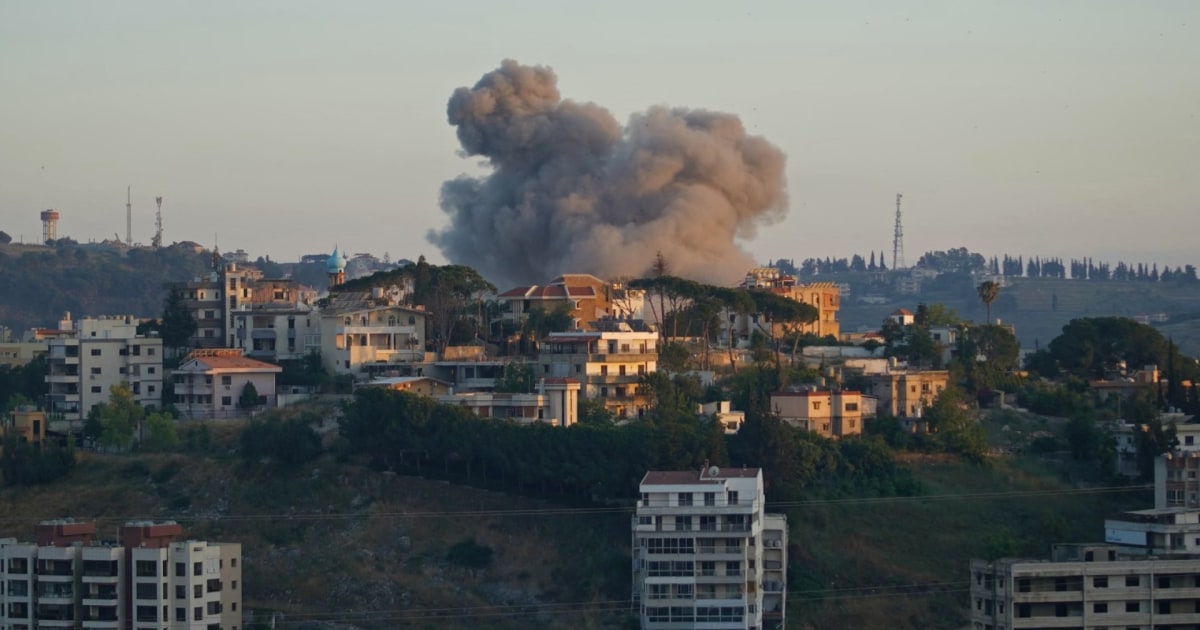
In an ever-evolving geopolitical landscape, the tension between Israel and Hezbollah remains a critical focal point, particularly amid ongoing negotiations related to Iran’s nuclear program. The potential for a ceasefire seems precarious following a recent violent confrontation that has reignited discussions surrounding battlefield tactics used by both parties involved in the conflict.
Understanding the Conflict between Israel and Hezbollah
The longstanding feud between Israel and Hezbollah is intricately linked to broader regional power dynamics, especially involving Iran. This militant group, which is strongly backed by Iran, has engaged in multiple skirmishes with Israel, notably in areas like Southern Lebanon. The recent escalation has drawn attention to the military strategies both sides employ, reflecting their preparedness and adaptability in the face of evolving combat scenarios. Analysts consistently emphasize the need for a deeper understanding of these tactics as they are pivotal in shaping any lasting peace efforts.
The Role of Iran in Regional Conflicts
Iran’s influence in Lebanon through Hezbollah significantly complicates the situation. As negotiations emerge regarding Iran’s nuclear capabilities, the role Hezbollah plays becomes increasingly vital. Experts indicate that any resolution involving Iran’s nuclear program must also address its support for militant groups in the region. The intertwined fates of these entities underscore the complex nature of Middle Eastern politics, where tactical maneuvers often dictate diplomatic outcomes.
Recent Developments and Their Implications
The recent shooting incident has underscored the fragility of the current ceasefire. Observers warn that such violent outbreaks could derail negotiations entirely, exposing the vulnerabilities that exist within the fragile peace. These events are not merely isolated incidents but rather signals of deeper unrest and dissatisfaction among the factions involved. As pressure builds, the potential for renewed hostilities raises questions about the sustainability of diplomatic discussions and whether a genuine truce can be achieved.
Military Strategies Under the Microscope
Gaining insights into the military strategies employed by both Israel and Hezbollah offers crucial information for policymakers and analysts alike. Reports detailing weapons systems, combat tactics, and intelligence operations provide a clearer picture of how both entities operate under duress. The effectiveness of these strategies does not just affect immediate outcomes on the battlefield but also shapes public perception and international response. Understanding these dynamics can inform efforts aimed at reducing conflicts and fostering a more stable region.
In conclusion, the tension between Israel and Hezbollah serves as a reminder of the intricate interplay between military tactics and diplomatic efforts in the Middle East. Continued analysis of battlefield strategies is essential for understanding how these conflicts will unfold and what steps must be taken towards achieving a lasting resolution. The future remains uncertain, but a comprehensive grasp of the underlying issues will be fundamental in navigating this complex geopolitical terrain.