
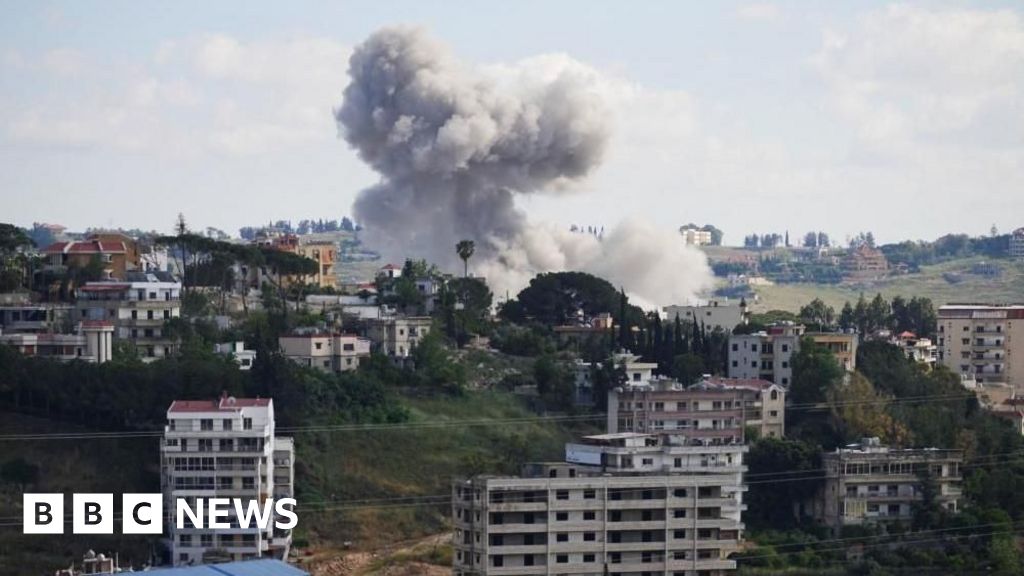
The ongoing conflict in the region has escalated significantly, prompting the Israeli military to target specific locations in eastern Lebanon. Following a public address by the Israeli Prime Minister, who confirmed the continuation of offensive operations, tensions have intensified, drawing international attention.
The Context of Military Actions
The recent military actions by Israel stem from a complex backdrop of long-standing hostilities and unresolved territorial disputes. Historical grievances and ongoing security threats have typically led to military responses from both sides. The Israeli government’s decision to conduct strikes in eastern Lebanon is rooted in concerns over perceived threats from militant groups based in that region. Such operations, while often justified under the banner of national defense, further complicate the already fragile situation, raising questions about the potential for renewed escalation.
Impact on Civilian Populations
One of the most significant consequences of these military operations is their impact on civilian populations. Conflicts like these often result in tragic humanitarian consequences, affecting thousands of innocent lives. The residents of Eastern Lebanon have become increasingly vulnerable, subjected to the chaos and destruction that accompany military engagements. Reports of casualties and displaced families highlight the dire need for a cessation of hostilities and a focus on diplomatic resolutions. The international community watches closely, urging for a de-escalation of tensions and advocating for humanitarian aid to reach those most affected.
International Reactions and Implications
The international response to Israel’s actions has been varied, with nations expressing a mix of support and condemnation. Global leaders have called for restraint from all parties, emphasizing the need for a peaceful resolution to prevent further loss of life. Analysts and diplomats are concerned about the broader implications of these military strikes, including potential repercussions on regional stability. The situation necessitates urgent dialogue and negotiations to achieve sustained peace, as continued military actions only serve to deepen animosities and pave the way for future conflicts.
Looking Ahead: The Path to Peace
As the conflict continues, the focus must shift towards finding lasting solutions that can address the underlying issues driving the violence. Peace talks, facilitated by neutral parties and involving key regional stakeholders, are crucial in creating a pathway toward stability. In addition to immediate humanitarian efforts, long-term agreements ensuring security and cooperation between Israel and Lebanon are essential. Only through collaborative and diplomatic means can both sides begin to mitigate the risks of future conflicts, creating a safer environment for their citizens.
In summary, the Israeli military’s actions in eastern Lebanon signify a critical juncture in the ongoing conflict. With increasing military engagement and its impact on civilians, the necessity for a diplomatic resolution is greater than ever. International observers emphasize the need for dialogue and peaceful coexistence, highlighting the importance of addressing historical grievances to forge a more stable future.