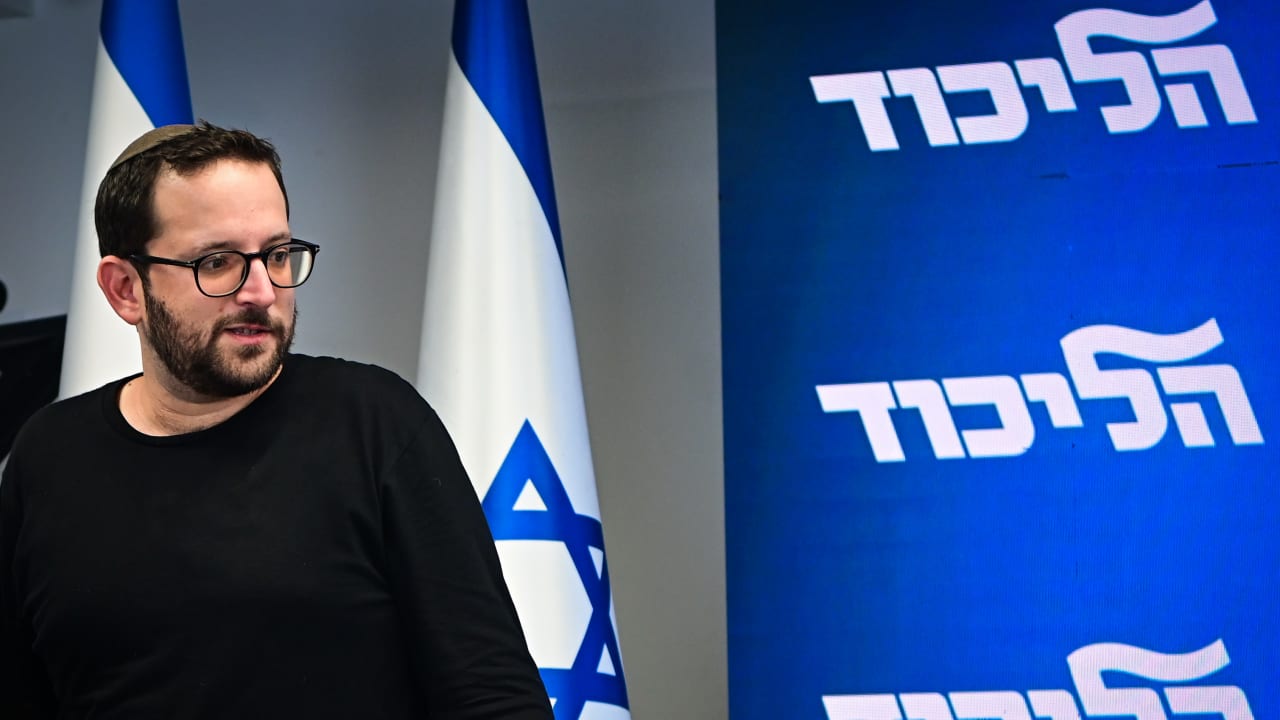
Prime Minister Benjamin Netanyahu’s close advisor, Yonatan Urich, has been linked to a controversial request for a strategic initiative aimed at enhancing Qatar’s image in Israel and globally. This revelation came to light through a report by Channel 12, which detailed Urich’s engagement with ChatGPT, a generative AI tool, as part of an interrogation connected to ongoing investigations into various high-profile allegations involving Urich.
Understanding the Allegations of Qatargate
The focus of the ongoing investigation, known as the “Qatargate” affair, revolves around serious accusations against Urich and other associates of Netanyahu. They allegedly accepted unauthorized payments from individuals tied to Qatari interests for promoting favorable narratives about Qatar in Israel. This case encompasses a range of suspected criminal activities, including bribery, engagement with foreign agents, and laundering of money. The findings presented during Urich’s interrogation included correspondences that investigators claim bolster these allegations.
Requests Involving ChatGPT
During his questioning, Urich reportedly sought out specific strategies from ChatGPT to bolster the public perception of key Qatari figures, namely Prime Minister Sheikh Mohammed bin Abdulrahman bin Jassim Al Thani and Emir Sheikh Tamim bin Hamad Al Thani. Furthermore, he expressed a need for tailored messaging aimed at distinct groups: Israeli citizens, Jewish communities abroad, and influential American stakeholders. This prompted numerous questions about his motivations and the appropriateness of his inquiries, raising concerns regarding potential national interests at stake.
Denials and Criticism Amid Investigations
Even after confronting Urich with the evidence accumulated, he consistently denied any wrongdoing related to promoting Qatari interests within Israel. He claimed not to recall the specifics of his questions to ChatGPT and insisted that his inquiries were not intended to serve Qatari interests. “I don’t remember what I asked the chat,” he stated, emphasizing that he regularly posed questions on a variety of topics. Despite these assertions, critics are unconvinced, raising alarms about the ethical implications of his activities.
Political Reactions and Implications
The fallout from Urich’s situation has prompted significant political backlash. Gadi Eisenkot, the chairman of Yashar, has publicly criticized Netanyahu for retaining Urich in his advisory role during the ongoing investigation. He characterized the affair as a manipulation effort and psychological warfare against the Israeli populace, arguing that any sensible leader would have promptly distanced themselves from Urich.
Former Prime Minister Naftali Bennett echoed those sentiments, labeling the Qatargate incident as one of Israel’s gravest betrayal scandals. He condemned those involved in any initiatives to sanitize Qatar’s image, especially during tumultuous times, suggesting it compromises national security. Bennett further accused Netanyahu of protecting Urich to obscure what he referred to as a significant betrayal.
In light of these events, public trust and political maneuvering become focal points in a complicated narrative laden with controversy. The implications of Urich’s requests and the ongoing investigation continue to unfold, with eyes keenly watching for any further developments related to Qatar’s influence in Israel.