
An official investigation has commenced regarding charities in England and Wales that are allegedly donating funds to illegal Israeli settlements in Palestine. This examination, led by the Charity Commission, seeks to determine the extent of charitable contributions directed toward these settlements, as well as assess the appropriateness of these expenditures in relation to the organizations’ stated missions.
Investigation Initiated by Charity Commission
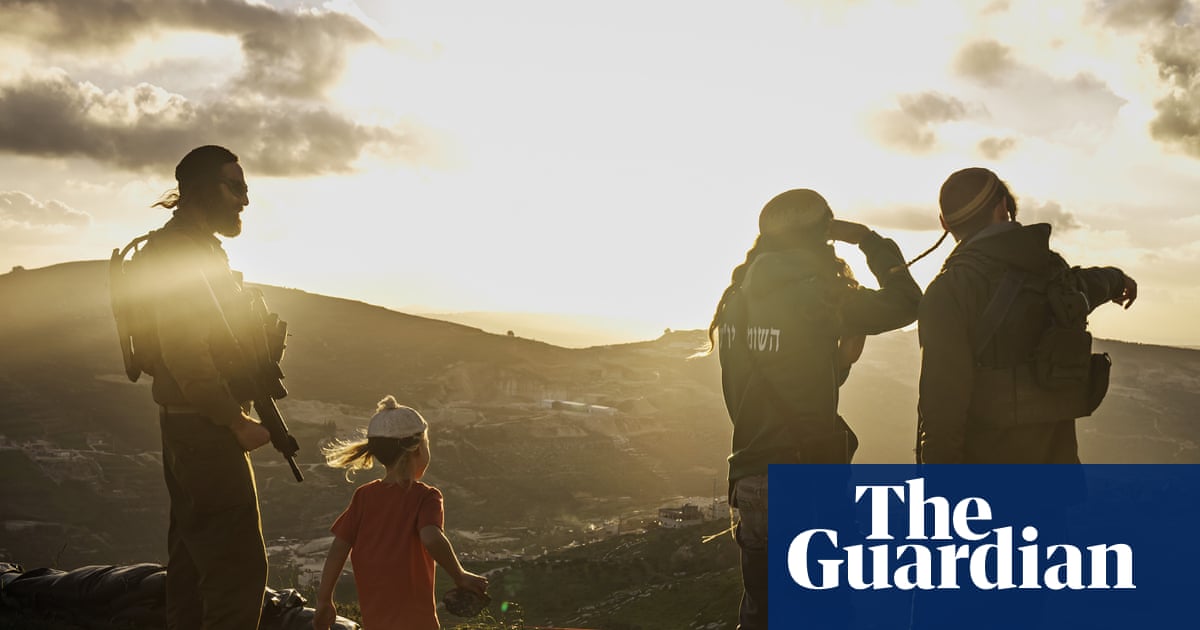
The inquiry follows revelations from the Guardian, which reported that two UK charities donated approximately £5.7 million to the Bnei Akiva Yeshiva high school located in the Israeli-occupied area of Susya. In June, Labour MP Melanie Ward lodged a formal complaint with the Charity Commission, asserting that 32 charities in England and Wales had contributed a minimum of £28 million to settlements deemed illegal under international law. This formal complaint appears to be a significant catalyst for the current investigative actions.
Assistant Director of High-Risk Compliance at the Charity Commission, Stephen Roake, announced that the investigation will initially focus on eight unidentified charities. He stated, “Serious allegations have been made about UK charities operating in illegal Israeli settlements in Palestine. Our first step is to establish the facts so we can determine if regulatory action is warranted.” The commission aims to provide regulatory guidance based on its findings, which will ultimately help uphold public trust in charitable organizations.
Concerns Raised Over Charity Fund Misuse
In June, then Foreign Secretary Yvette Cooper called on regulators to investigate how charity funds are being utilized, expressing concern that the systems in place may be exploited to support illegal settlements. Moreover, she indicated potential violations related to UK gift aid, emphasizing the need for careful scrutiny. In response, MP Ward and her Labour colleagues urged for a proactive ban on such donations instead of a mere inquiry. They expressed disappointment over the commission’s perceived inaction since the Guardian’s initial reporting in July of the previous year.
The Charity Commission emphasized that it is investigating only a portion of the charities involved and will consider expanding the number under scrutiny as the inquiry unfolds. They have also shared information related to the investigation with law enforcement agencies, including HMRC, although it appears that the Metropolitan Police War Crimes Unit is not currently conducting investigations into these charities.
Calls for Accountability from MPs
Recent reports have unveiled specific instances of British charities funding projects tied to illegal settlements. For instance, the Guardian highlighted the “Friends of Yeshivat Shavei Hevron” charity, which reportedly sent nearly £200,000 to a religious institution at the heart of expansion initiatives in Hebron. This alarming trend has led to heightened scrutiny from various MPs, including Abtisam Mohamed, who stressed that the Charity Commission must act quickly to address these issues.
MP Mohamed stated, “Funding illegal Israeli settlements is extremist activity linked to the violence and dispossession of Palestinians and bears no relation to charitable activity.” Such statements reflect a growing demand for transparency and accountability within charitable organizations, specifically in relation to their funding sources and the impact of their financial activities on global human rights issues.
As this investigation continues, it serves not only to clarify the role of UK charities in funding illegal settlements but also to reaffirm the importance of ethical practices within the charitable sector. The outcome may lead to revised regulations impacting how charities operate, ensuring their contributions uphold legal and humanitarian standards in compliance with international law.