
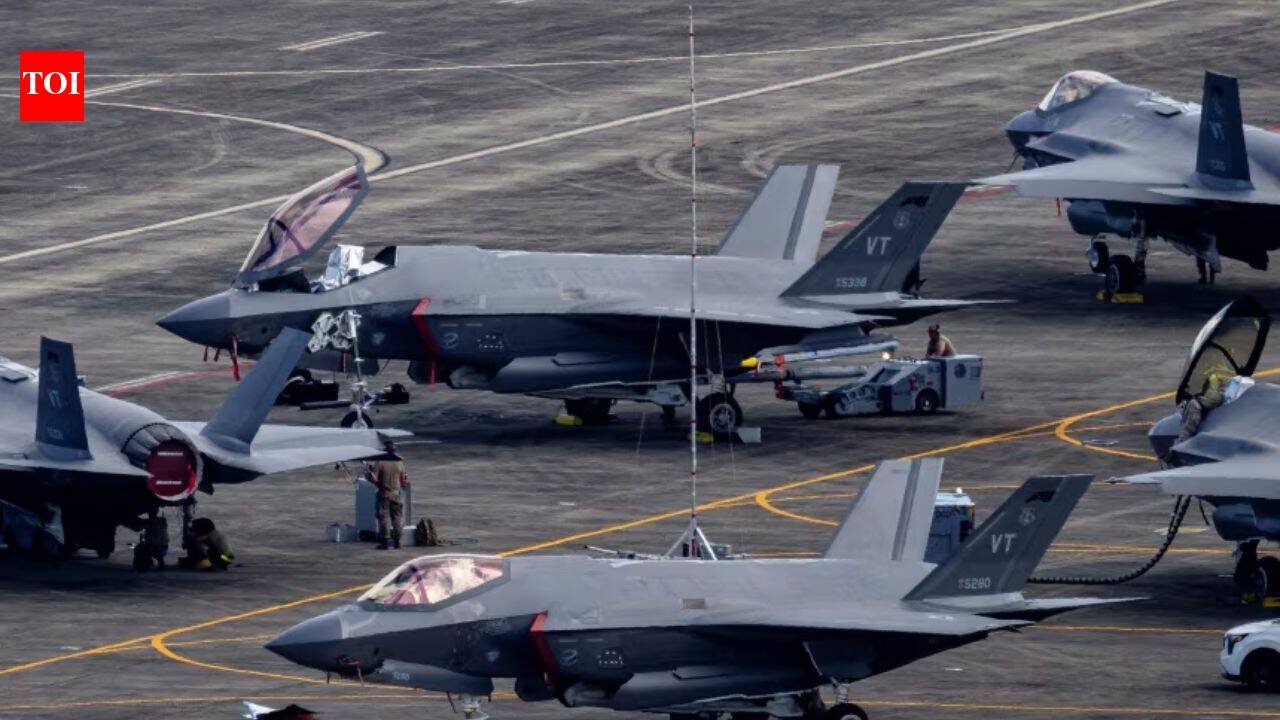
The proposed sale of F-35 fighter jets to Saudi Arabia, valued at approximately $24.3 billion, has stirred significant debate and concern among various stakeholders, particularly in the U.S. and Israel. This deal includes 48 F-35 aircraft along with 49 engines, but it remains subject to congressional review before final approval. Should the sale go through, Saudi Arabia would join Israel as the only country in the Middle East to operate these state-of-the-art jets, representing a substantial advancement in the kingdom’s military capabilities.
The Significance of the F-35 Sale to Saudi Arabia
The F-35, known for its stealth technology, advanced sensors, and networked warfare capabilities, represents a leap forward for Saudi Arabia’s air force. Acquiring these aircraft is seen as a crucial step in the kingdom’s ongoing efforts to modernize its military. The Trump administration’s backing of this deal aligns with previous commitments, including a $142 billion defense package that was previously agreed upon with Saudi Arabia for 2025. The introduction of the F-35 could dramatically alter the balance of aerial combat power in the region, establishing Saudi Arabia as a formidable player.
Concerns Over Regional Stability
One of the most pressing issues surrounding this proposed sale is its potential impact on the military balance in the Middle East. Israel, which has been operating the F-35 for several years, maintains that it is imperative to preserve its qualitative military edge to ensure national security. Although U.S. officials have reassured that the sale will not undermine Israel’s advantage, the ongoing Israeli concerns regarding the transfer remain a focal point of contention. The configuration of the F-35s supplied to Saudi Arabia may differ from those used by Israel, which could mitigate some fears, but the uncertainty lingers.
Geopolitical Implications and Relations with China
Compounding these concerns are Saudi Arabia’s increasingly close ties with China. Over recent years, the kingdom has fortified its economic and military relationships with Beijing. This relationship raises alarms among U.S. officials and intelligence agencies regarding the potential risks to sensitive F-35 technology should Saudi Arabia’s collaboration with China intensify. Previous dealings, such as the United Arab Emirates’ stalled F-35 acquisition, showcase similar anxieties. Observers question whether the deal could inadvertently bolster China’s foothold in the Middle East, thereby complicating the geopolitical landscape further.
Congressional Review and Legislative Hurdles
The proposed sale now enters a crucial phase of congressional review, which presents another significant hurdle. While the Trump administration has greenlit the deal, U.S. lawmakers will have the opportunity to scrutinize and potentially object to the sale. The implications of the deal are multifaceted, encompassing not only Israel’s national security but also broader strategic considerations related to Saudi Arabia’s human rights record and regional stability. The legislative debate will serve as a critical examination of the future trajectory of U.S.-Saudi military cooperation.
In conclusion, the proposed F-35 sale to Saudi Arabia encapsulates a complex web of military, geopolitical, and ethical considerations. While the deal represents a significant advancement for Saudi military capabilities, the potential ramifications for regional stability and U.S. interests cannot be overlooked. As the congressional review unfolds, it will be crucial to weigh the implications carefully, taking into account all stakeholders involved.