
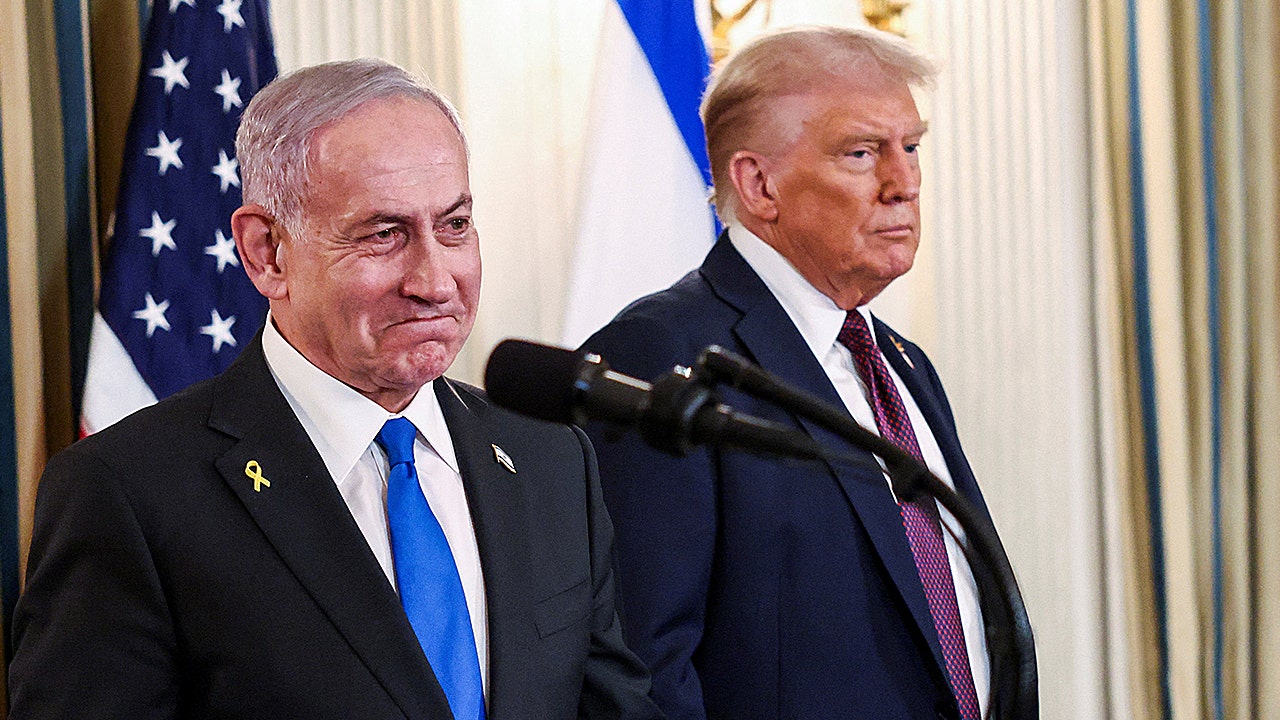
Tensions in the Middle East are escalating, posing challenges for diplomatic efforts led by President Donald Trump regarding a peace agreement with Iran. Recent actions by the Israeli Defense Forces (IDF) have raised concerns about the viability of ongoing negotiations, as military pressure mounts with U.S. involvement. Below, we explore the intricacies of this evolving situation, particularly the dynamics between Trump and Israeli Prime Minister Benjamin Netanyahu.
Escalating Tensions and Military Actions
The latest airstrikes by Israel in Beirut have intensified worries that these military actions could jeopardize the chances of finalizing a peace agreement with Tehran. Despite explicit warnings from U.S. officials about the potential repercussions of such strikes, Israel chose to move forward, coinciding with Trump’s announcement of a forthcoming memorandum of understanding with Iran. A diplomat intimately engaged in the discussions remarked that these strikes appear to be a deliberate attempt by Israel to undermine the negotiations and potentially push the U.S. back toward a military confrontation.
As discussions with Iran take shape, Trump has been candid in expressing his disapproval of Israel’s military actions, calling out Netanyahu’s lack of strategic judgment on social media. The potential for a rift between these allied leaders is becoming palpable, especially amid Israel’s increasing military engagement.
The Complex Relationship between Trump and Netanyahu
Analysts have begun to voice concerns that Trump may be losing patience with Netanyahu, particularly as the Israeli Prime Minister seems to favor long-term military strategies over Trump’s preference for quick diplomatic victories. This disconnect could threaten the very foundation of their alliance. Notably, the complexities of their relationship stem from differing approaches to problem-solving and foreign policy philosophies. Netanyahu’s experience and caution contrast sharply with Trump’s preference for immediate results, creating a strategic chasm between the two leaders.
Natan Sachs, a senior fellow at the Middle East Institute, has noted a sense of rational apprehension within the Israeli government regarding Trump’s shifting stance. The dynamics become more complicated as both leaders navigate their respective domestic pressures while attempting to address Iran’s nuclear aspirations and Hezbollah’s presence in the region.
Concerns Over Strategic Misalignment
Despite sharing common goals, such as controlling Iran’s nuclear ambitions and addressing the threat from Hezbollah, both Trump and Netanyahu appear misaligned in their strategic timelines and priority-setting. Netanyahu has consistently prioritized long-term solutions, while Trump demonstrates a preference for rapid progress—an approach that may not align with the realities of Middle Eastern diplomacy.
As negotiations develop, the strategic goals dictated by both leaders will need to be mutually reinforced through strong cooperation to achieve lasting results. Weaknesses in communication could lead to misunderstandings that complicate their efforts.
The future outlook of U.S.-Iran relations and the broader peace process in the Middle East hinges not only on actual diplomatic progress but also on how effectively Trump and Netanyahu manage their interactions. Historically, navigating their relationship has proven to be a double-edged sword that can either undermine or bolster their broader regional ambitions.