
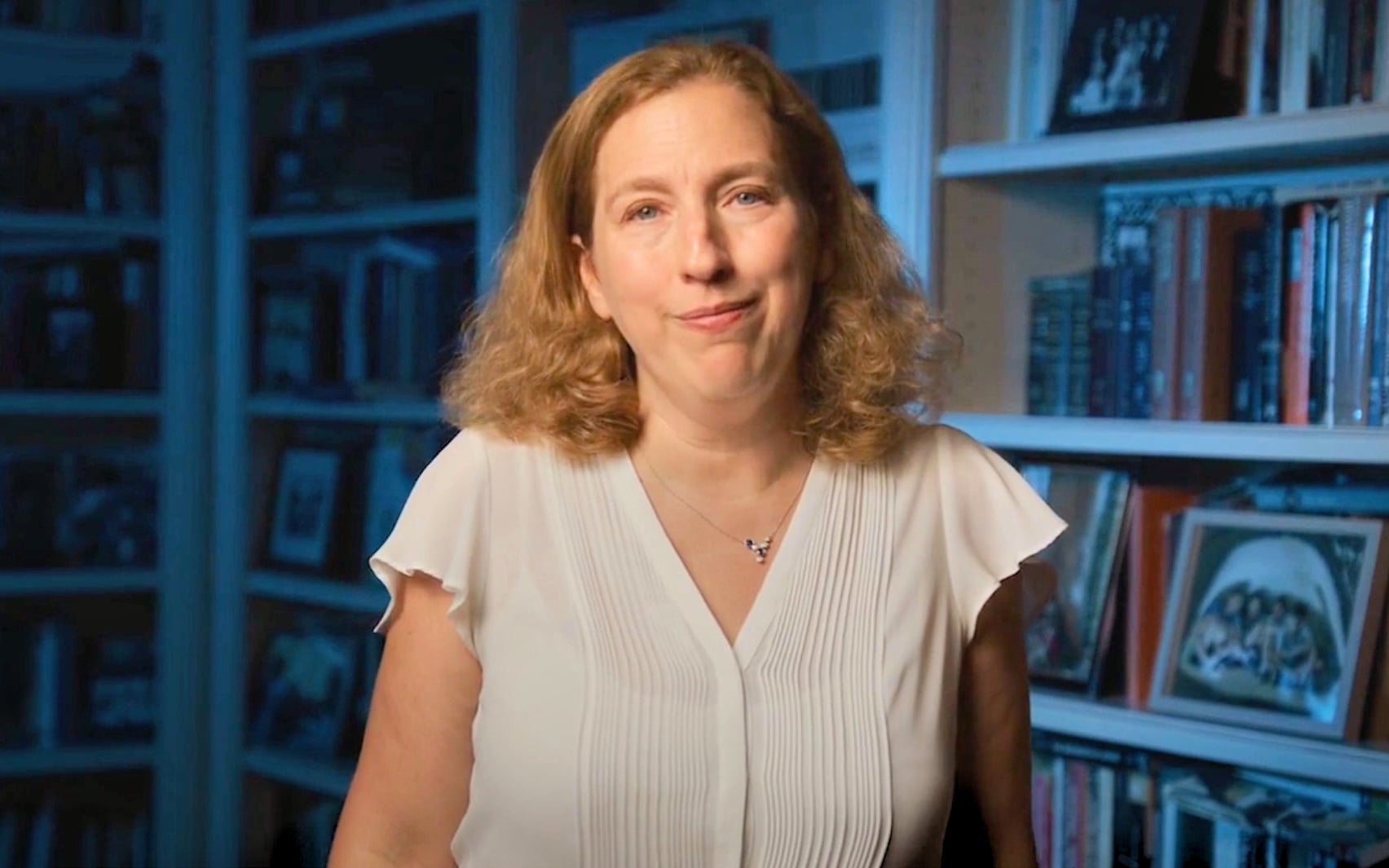
In today’s world, the subject of anti-Semitism has resurfaced, prompting a closer examination of its underlying issues. In her groundbreaking book, “People Love Dead Jews,” the author delves into the painful realities faced by the Jewish community and broadens the conversation around this deeply rooted hatred. Through an exploration of personal narratives and societal behaviors, she not only sheds light on the harsh truths of anti-Semitism but also offers potential solutions for education and awareness.
Understanding the Painful Narratives
The author draws from numerous accounts shared by readers who have experienced anti-Semitism first-hand. These stories expose the real and pervasive nature of hateful sentiments, underscoring that such biases are not mere historical footnotes but ongoing struggles that many face today. This element of lived experience lends authenticity and urgency to the dialogue about anti-Semitism, making it clear that the wounds of the past remain painfully relevant.
The personal stories reveal that anti-Semitism can manifest in many forms: from subtle microaggressions to overt acts of violence. They highlight how societal indifference often allows such hatred to fester, perpetuating stereotypes and cultural myths. By centering these narratives in her work, the author aims to make the abstract concept of anti-Semitism palpable and relatable. These experiences are not only individual traumas but also collective struggles that need to be addressed within educational frameworks and societal norms.
A Call for Educational Reforms
One of the book’s most significant contributions is its focus on education as a means to combat anti-Semitism. The author argues for an innovative educational approach that goes beyond conventional teachings about the Holocaust. Instead, it calls for a more comprehensive curriculum that addresses the complexities of Jewish identity, history, and the continuous impact of anti-Semitism in modern society.
To facilitate this change, the author suggests integrating discussions on empathy and critical thinking into educational institutions. This involves not just teaching students about historical events but also engaging them in meaningful conversations about their relevance in today’s world. By fostering a deeper understanding amongst young people, we can cultivate a generation that is better equipped to recognize and combat hatred in all its forms.
The Role of Community and Responsibility
In addition to education, the author emphasizes the critical role of community in addressing anti-Semitism. This involves creating safe spaces where individuals can share their experiences and learn from each other. Community engagement can serve as a powerful tool to counteract hate, fostering solidarity across diverse groups. The book argues that collective responsibility is necessary for dismantling systemic biases that perpetuate discrimination.
Moreover, it stresses the importance of allyship. Engaging individuals from various backgrounds can enhance the fight against anti-Semitism, creating a united front that rejects hate. By encouraging collaboration among different communities, the author posits that we can pave the way for a more inclusive society.
In summary, “People Love Dead Jews” serves as a poignant reminder of the continuing battle against anti-Semitism. By weaving personal narratives with thoughtful insights on education and community responsibility, the author not only highlights the painful realities faced by the Jewish community but also proposes actionable solutions to foster awareness and connection. Through these efforts, we can move toward a more just and understanding society, where the lessons of the past inform a hopeful future.