
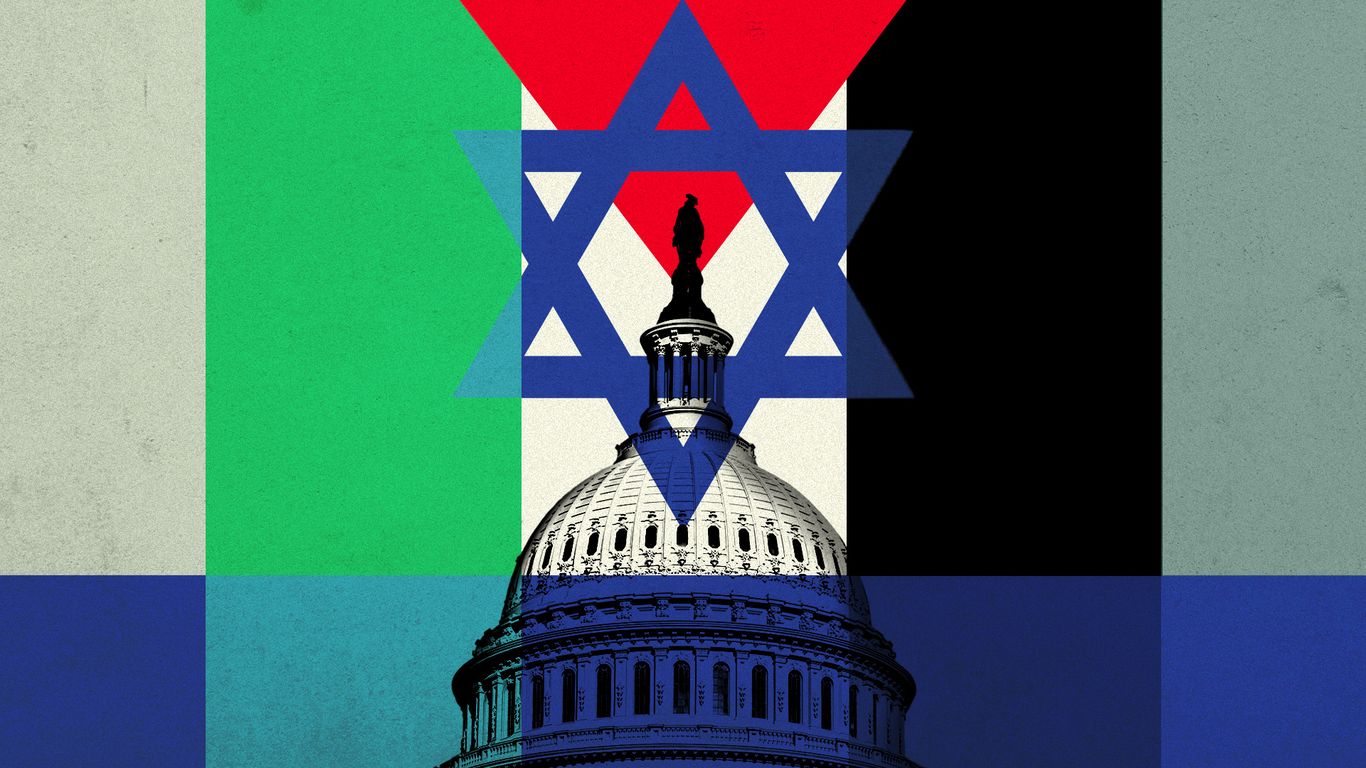
In the current political landscape, contentious debates often arise within Congress, particularly concerning international relations and foreign policy. One recent discussion revolves around a proposed provision with significant implications for Israel and the U.S.’s stance in supporting it.
Understanding the Proposed Anti-Israel Provision
The controversial provision put forth by some members of the Republican Party has sparked a fierce backlash from various factions within Congress. Critics argue that this measure undermines longstanding U.S. support for Israel, a key ally in the Middle East. The consequences of such a move extend beyond just policy; they threaten to shift the dynamics of international alliances and security measures in an already volatile region.
This proposed provision has not only garnered responses from Democrats but has also seen mixed reactions among Republicans. While some party members endorse the initiative as a way to re-evaluate U.S. foreign commitments, others are concerned about the broader implications of withdrawing support from Israel. The debate highlights a growing divide within the party regarding foreign policy and its impact on national security.
The Democratic Response
Democrats have been vocal in their opposition to the GOP proposal. One House Democrat encapsulated the party’s sentiment by stating, “We know it’s crap, but…” This statement reflects a broader concern that the measure does more harm than good, potentially endangering both Israeli and American interests. The frustration among Democrats emphasizes the belief that such partisan tactics could jeopardize decades of mutual support and cooperation between the U.S. and Israel.
This critical viewpoint also underscores the pivotal role that foreign policy plays in electoral dynamics. As constituents increasingly express their views on international relations, both parties recognize the potential repercussions of supporting or opposing measures that could alienate important voting blocs. A strong pro-Israel stance resonates with many voters, making the stakes of this debate particularly high.
Implications for U.S.-Israel Relations
The ramifications of this anti-Israel provision extend beyond congressional debates and electoral considerations. Should this initiative gain traction, it could lead to a recalibration of U.S.-Israel relations, challenging the traditional narrative of unwavering American support. Such a shift could encourage adversaries of Israel in the region, thereby destabilizing an already precarious situation.
Moreover, the international community will likely react to changes in U.S. policy. Allies and adversaries alike observe shifts in American foreign policy with great interest, and any perceived weakening of U.S. support for Israel could alter diplomatic standings and influence negotiations throughout the Middle East.
In conclusion, the current debates surrounding the GOP anti-Israel provision highlight the complexities of U.S. foreign policy. As discussions continue, the balance between political maneuvering and the commitment to long-established alliances remains tenuous. The stakes are high, not only for Israel but also for the stability and security of the broader region, making this a pivotal moment in U.S. legislative history.