
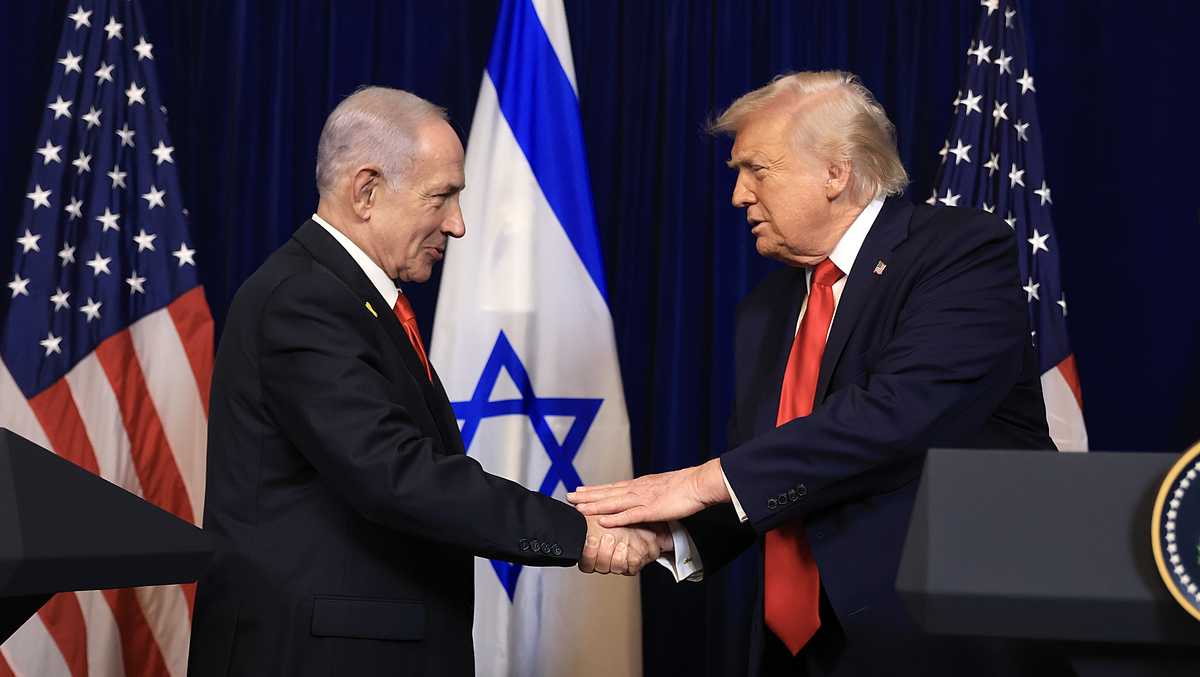
In recent discussions surrounding U.S. military operations, a significant topic has emerged regarding a potential merger between the U.S. and Israeli armed forces. This proposal has stirred debates among lawmakers and military strategists. Understanding the nuances of this conversation is essential for grasping its implications on international relations and national defense.
Understanding the Proposal
Recently, Congress has been engaged in dialogues that examine various forms of military cooperation between allied nations, especially focusing on the U.S. and Israel. The idea of a “merger” may be misleading; rather, it’s about enhancing collaboration and integrating certain operations to strengthen defense strategies against mutual threats. Many Congressional members see value in deepening military ties, especially in the face of escalating regional tensions in the Middle East.
The Strategic Importance of U.S.-Israel Military Cooperation
The U.S.-Israel relationship has historically been characterized by strong military collaboration. Joint exercises and shared intelligence are common components of this partnership. By considering a formal united effort, both nations aim to maximize resources, share best practices, and respond more effectively to security challenges. Proponents of this collaboration argue that a closer military alliance can deter adversaries and stabilize the region, making it a crucial point in global defense strategies.
Concerns and Criticisms
However, not everyone is in favor of merging military resources or creating a tighter bond between the two nations’ armed forces. Critics voice concerns that such a move could entangle the U.S. into conflicts that are not directly aligned with its national interests. Moreover, integrating military operations may lead to a dilution of sovereignty, raising fears that American military resources could be deployed without thorough legislative oversight. These apprehensions are essential to consider in any discussions about closer military ties.
The Future of Military Alliances
As Congress deliberates on military collaboration, the outcome could influence the future framework of international alliances. The potential for deeper military integration with Israel may set a precedent for how the U.S. approaches defense partnerships globally. If enacted, this could reshape not only the U.S.-Israel dynamic but also how other nations perceive American military strategy. Continued vigilance and debates will be necessary to balance the advantages of collaboration with the sovereignty concerns voiced by critics.
In conclusion, the ongoing discussions about a military merge show the complexity of U.S.-Israel relations. While there are many potential benefits, including enhanced security and operational efficiency, there are also significant concerns that need to be addressed. As these debates continue, they will likely define the future of military partnerships not just for the U.S. and Israel, but for nations around the globe looking for strong allies in an unpredictable world.