
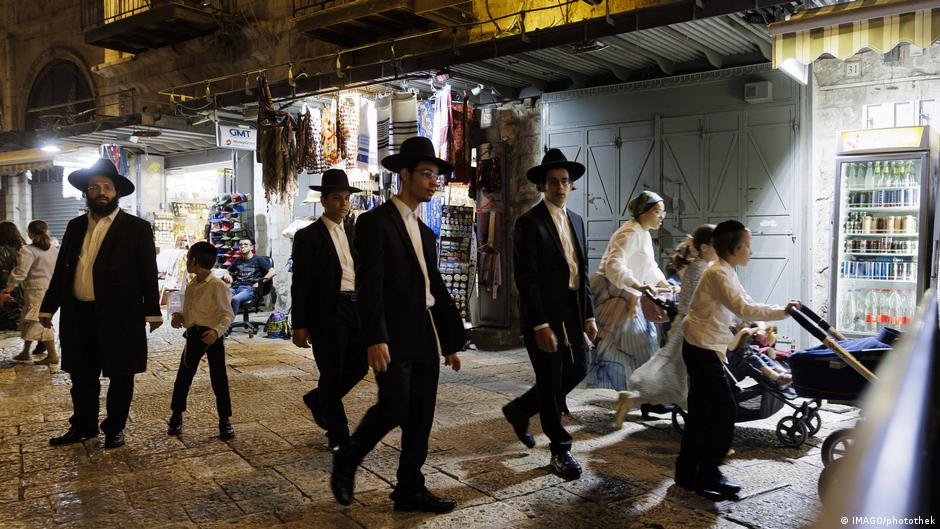
In Bnei Brak, a vibrant Israeli city of about 200,000 residents predominantly known for its ultra-Orthodox population, a heated debate has arisen surrounding proposed gender segregation measures for public spaces. The situation underscores broader societal tensions within Israel as it approaches imminent elections and grapples with questions of cultural identity and gender rights.
Controversial Plans for Gender Segregation
Recent reports indicate that the municipality of Bnei Brak commenced efforts to modify sidewalks along Shlomo HaMelech Street. These modifications included widening pathways, erecting barriers, and placing signs intended to segregate male and female pedestrians. If implemented, Bnei Brak would be the first city in Israel to enforce such measures in public areas. Signs that had already been installed were reportedly removed following backlash, reflecting a growing unease among the populace regarding such limitations on freedom of movement.
A prevailing concern among less conservative Israelis is that this initiative could set a dangerous precedent, further empowering Orthodox hardliners in a nation that is grappling with evolving societal norms. Moreover, this debate coincides with a parallel proposition in the Knesset that raises questions about gender equality—an issue allegedly safeguarded by Israeli Supreme Court rulings.
Gender Segregation in Religious Practices
It is crucial to acknowledge that gender segregation, particularly in religious contexts, is not uncommon in many Orthodox Jewish communities. For example, separate seating for men and women exists in synagogues, and interactions between the sexes are often limited. The proposed changes for Bnei Brak stem from community practices surrounding events such as weddings, where local rabbis desire gender separation to be established before guests arrive.
Critics argue that imposing segregation in public spaces using taxpayer funds is problematic, as it blurs the lines between private religious customs and public policy. Reports suggest that the city is now revisiting its plans, opting for temporary measures to rearrange streets during significant events rather than implementing permanent segregation.
Legislative Shifts and Gender Equality
The ongoing discourse around gender segregation is set against a backdrop of shifting demographics in Israel, where the ultra-Orthodox population has a higher birth rate compared to non-Orthodox groups. This demographic trend is generating political pressures that challenge long-held values of gender equality, which are ostensibly upheld by the country’s founders. Although Israel’s laws guarantee equality for all citizens, recent trends indicate a move toward prioritizing the religious traditions of conservative communities.
In a related legislative development, the Knesset recently approved a law that allows universities to offer segregated master’s and doctoral programs. While proponents argue that this paves the way for increased participation of Orthodox students in higher education, opponents warn of potential declines in academic rigour and inequalities in access for women aiming to enter specialized fields.
The changing legal landscape is emblematic of broader clashes over gender rights and educational equality in Israel. As the nation heads toward significant elections on October 27, these fundamental debates on societal structure are likely to have lasting implications on its political climate and future direction.