
Pakistan’s Prime Minister Shehbaz Sharif recently expressed optimism over what he termed the “peaceful resolution” of tensions between the U.S. and Iran. He lauded both nations for signing an agreement that he believes will facilitate the reopening of the strategically significant Strait of Hormuz. While the agreement has ignited celebrations, particularly in Pakistan, its accompanying memorandum of understanding (MoU) has created a complex mix of reactions, ranging from relief to skepticism.
Diplomatic Developments and International Response
The signing of the MoU, which initiates a series of negotiations over the next 60 days, has garnered international attention. Leaders from the G7 nations have praised it as a historic opportunity to curb Iran’s nuclear ambitions.
In Europe, while leaders expressed a sense of relief over the reopening of the Strait of Hormuz—essential for global oil trade—there’s an understanding that their influence in these negotiations has been limited. French President Emmanuel Macron emphasized the need to stabilize a situation that previously had dire economic consequences for many nations.
Conversely, Israel has reacted less positively to the agreement. Mark Regev, a former senior adviser to Israeli Prime Minister Benjamin Netanyahu, raised concerns about Iran’s commitment to negotiations following the lifting of economic and military pressure by the U.S. He highlighted that the lifting of sanctions could potentially revive Iran’s economy and embolden its regime.
Mixed Reactions from Israeli Leaders
In Israel, the prevailing sentiment echoes Regev’s concerns. Opposition leader Yair Lapid voiced dissatisfaction, criticizing Netanyahu for what he perceives as a failure in foreign policy, describing the agreement as a betrayal that opens the door for Iranian aggression. With upcoming elections, Israeli leaders are keen to capitalize on the discontent surrounding the deal with Iran.
The media landscape in Israel has also shifted, with many outlets criticizing Trump—a leader who previously enjoyed substantial support among Israelis. Commentators are questioning the long-term ramifications of the agreement, with some experts like David Horovitz suggesting that it compromises Israeli security.
Despite the waves of dissent, not all opinions are negative. Some analysts, like Danny Citrinowicz, argue that the U.S. has finally adopted a more realistic approach toward Iran. They suggest that the agreement may pave the way for a less aggressive foreign policy stance.
Reactions in the U.S. and Political Implications
The domestic reaction in the U.S. is equally divided. While Senator Lindsey Graham, a Trump ally, suggested that the agreement could ultimately be beneficial by easing hostilities with Iran, others like Senators Ted Cruz and Bill Cassidy expressed skepticism. They pointed out that Iran’s nuclear ambitions remain unchecked and warned of future leverage the regime might have over the Strait of Hormuz.
Democratic voices like former Obama administration official Susan Rice and Senator Adam Schiff criticized the deal sharply, calling it a significant misstep in national security. They argue that it effectively allows Iran to gain financial advantages while receiving vague promises in return.
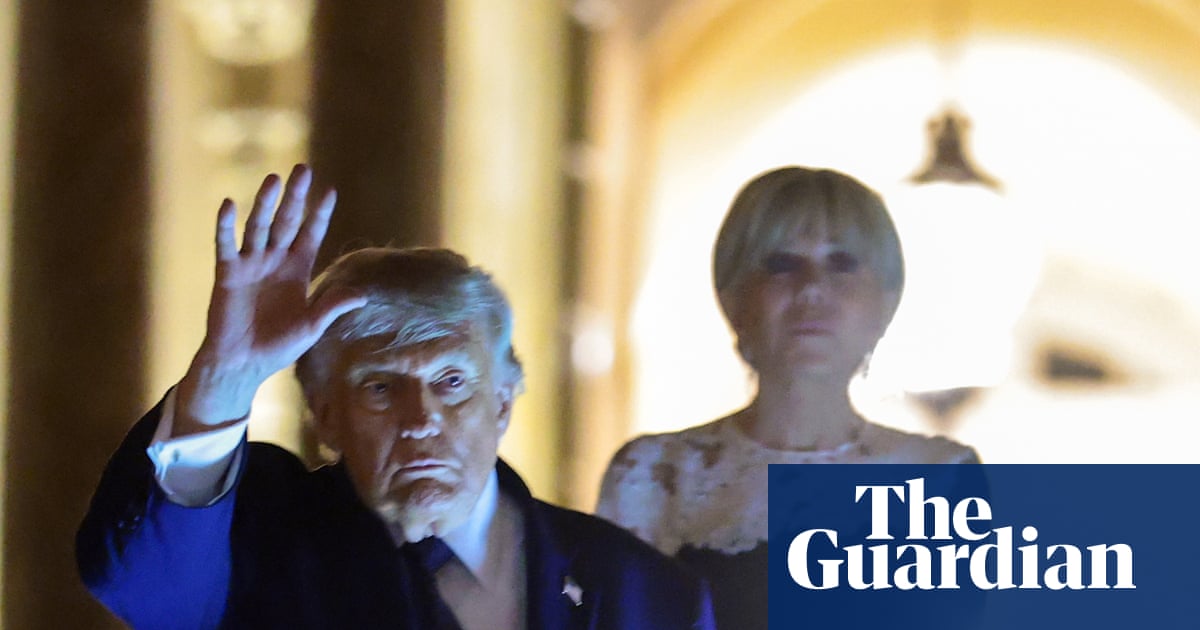
As the U.S. shifts its approach, Trump himself claims that the agreement represents a major victory for the U.S. Meanwhile, Iran’s chief negotiator has described it as reflective of U.S. failures. Signed during a dinner with Macron at the historic palace of Versailles, the agreement raises questions about its long-term efficacy, reminiscent of past treaties from which lessons have seemingly gone unheeded.