
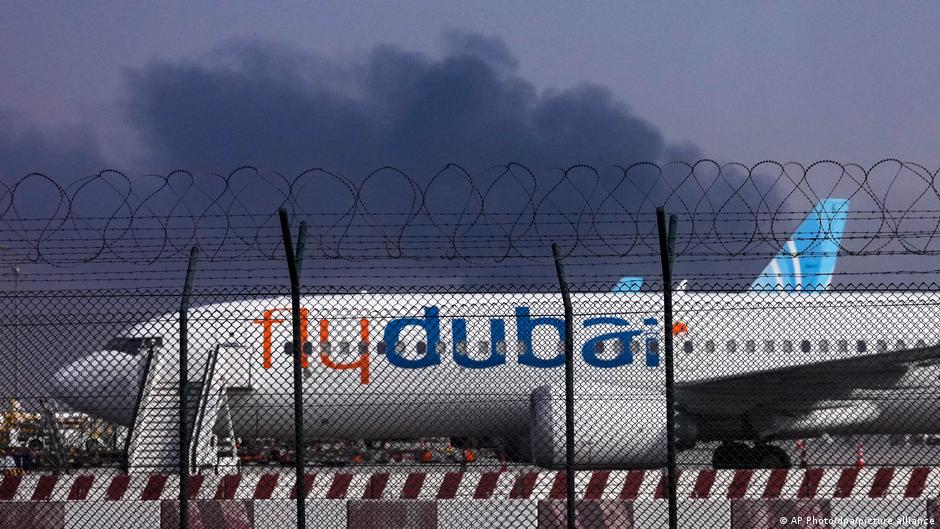
The United Arab Emirates (UAE) appears to be taking a definitive stance amid the escalating tensions between the United States and Israel against Iran. This alignment could potentially alienate the UAE from other Arab nations and reshape the geopolitical landscape of the Middle East.
Emergence of a Defense Partnership
Recent reports indicate that the UAE and Israel have embarked on establishing a collaborative defense fund, a move that will enable both nations to jointly procure military equipment. Initial information was shared by Middle East Eye, citing unnamed US officials. While neither government has officially confirmed the arrangement, the timing coincides with an allegedly secret visit by Israeli Prime Minister Benjamin Netanyahu to the UAE, a visit that was later denied by UAE officials. This collaboration is further underscored by the announcement from US Ambassador Mike Huckabee, stating that Israel provided the UAE with aerial defense systems to counter potential Iranian air assaults.
Shifts in Regional Dynamics
The UAE’s announcement in April regarding its exit from OPEC, after nearly six decades of membership, has sparked widespread commentary about a fundamental transformation occurring in the region. Analysts assert that this shift signifies the end of a long-standing Gulf order and the emergence of a new geopolitical configuration. Cinzia Bianco, a fellow at the European Council on Foreign Relations, emphasizes that both Israel and the UAE are pursuing strategies designed to redefine the landscape of Middle Eastern politics. Marcus Schneider, a peace and security expert, highlights the formation of two distinct power blocs—one comprising the UAE and Israel, and the other consisting of Saudi Arabia, Pakistan, Turkey, and Egypt.
Moreover, complicating the picture, both the UAE and Israel are leveraging each other for technological advances, defense capabilities, and enhanced global influence. In contrast, the Sunni-dominated quartet of Saudi Arabia and its allies are taking a more cautious approach, emphasizing stability over military engagement, particularly in their relations with Iran.
Analyzing the Divergence
The contrast in strategies among these Gulf states is becoming increasingly apparent. While the UAE aligns more closely with Israel, Saudi Arabia is exhibiting growing concerns regarding Israel’s military ambitions. This divergence in priorities reveals a complex interrelationship among Gulf nations, showing how they are navigating a volatile geopolitical landscape. Analysts argue that rather than merely picking sides, the situation reflects a broader “geopolitical promiscuity,” where states are constantly renegotiating alliances based on immediate interests, rather than adhering to fixed, long-term strategies.
Ibrahim Öztürk, an academic specializing in economic development, suggests that while the US-backed Israeli coalition may appear dominant in the short term, its sustainability is questionable. He points out historical and structural disparities among the nations involved, making long-term partnerships difficult to maintain.
In summary, while the UAE and Israel’s newfound cooperation may strengthen their positions against Iran, the internal and external pressures faced by Gulf states indicate a future filled with instability and potential conflict. The next steps taken by these nations will greatly influence the region’s trajectory in the coming years.