
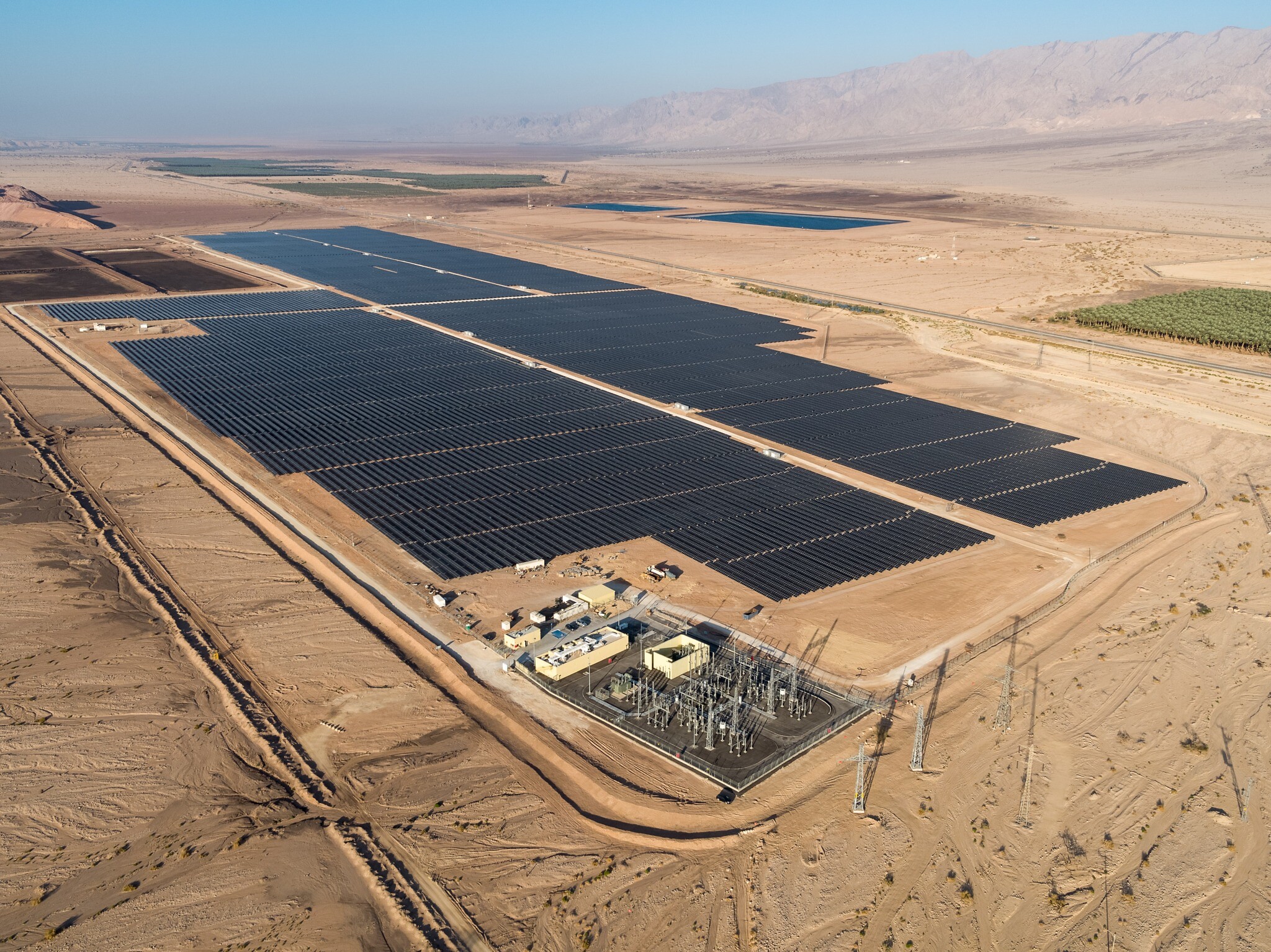
The Ministry of Energy and Infrastructure is preparing to unveil a National Strategic Plan for Renewable Energy. This significant presentation is scheduled for Wednesday during a meeting with the president and his climate forum.
Renewable Energy Goals and Current Status
The proposed plan is open for public commentary until June 18 and sets a bold target of achieving 26 Gigawatts of installed renewable energy, primarily through solar sources, by the year 2035. Currently, Israel has installed only 8 Gigawatts, with an additional 4 Gigawatts already in the construction phase. As of the end of last year, renewable sources accounted for a mere 16% of Israel’s electricity production, falling short of the anticipated 20% target for 2025 and placing the nation near the bottom of the OECD rankings for renewable energy generation. Looking ahead, the national ambition for 2030 is to reach 30%.
Challenges Facing Expansion
The report emphasizes that while there is significant technical potential for renewable energy generation (estimated at 25 Gigawatts), the primary obstacle lies within the existing electricity grid. The infrastructure has reached its capacity limits, hindering further development. To tackle this issue, the Israel Electric Corporation (IEC) has secured a substantial loan of NIS 40 billion (approximately $14 billion) for a comprehensive grid expansion aimed at supporting increased energy capacity through 2030.
Implementing this expansion could allow the grid to accommodate enough additional power to meet the 30% renewable energy target by the decade’s end. However, several time-consuming planning processes and complex regulations could introduce delays, potentially undermining these goals.
Coordination Challenges Among Government Entities
A significant challenge in executing the renewable energy strategy is the lack of coordination among various government entities. The Israel Lands Authority tends to favor extensive solar fields, generating revenue by selling these land plots. In contrast, planning authorities and the Ministry of Environmental Protection advocate for solar installations on existing structures like rooftops and sports facilities to preserve open land. Meanwhile, the Finance Ministry is not in favor of the dual-use strategy, as it is partially funded by public resources. Additionally, the Agriculture Ministry is supportive of agro-voltaics—technology that generates electricity while providing shade for crops—but seeks more time to evaluate these developments thoroughly.
The strategic plan seeks to address these varying priorities by analyzing the pros and cons of land-based versus dual-use energy facilities. It proposes a balanced approach that considers cost, feasibility, land efficiency, and consumer proximity.
Investment and Future Directions
To meet its ambitious goals, the plan identifies a necessary investment of NIS 15.5 billion (approximately $5.4 billion). A portion of this funding is already included in the previously mentioned NIS 40 billion budget for grid expansion. Energy Minister Eli Cohen has highlighted the importance of transitioning to renewable sources by stating, “Generating electricity from renewable energies strengthens the energy security of the Israeli economy, contributes to the diversification of energy sources, and reduces air pollution, fulfilling the growing demands associated with the advancements of the AI revolution.”
As Israel moves toward a more sustainable energy future, overcoming bureaucratic obstacles and enhancing coordination between governmental arms will be essential for realizing these strategic objectives and fulfilling the nation’s energy needs.