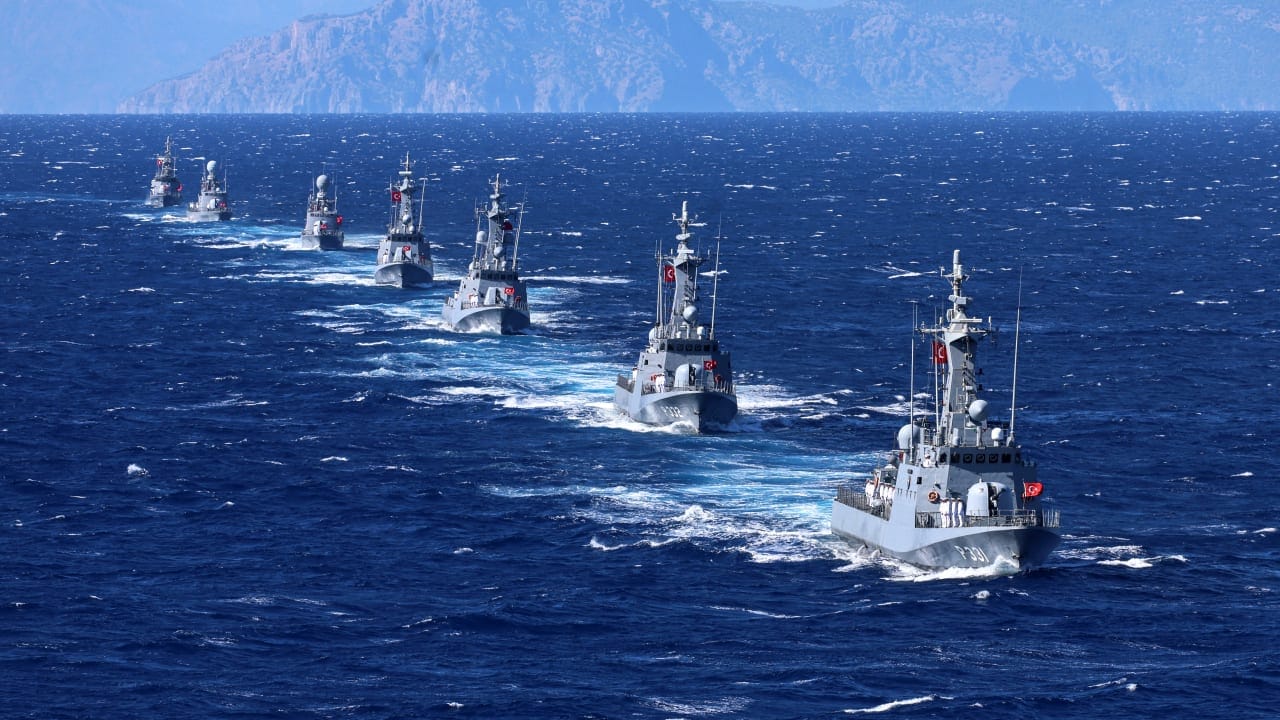
Israel has expressed strong disapproval regarding the Libyan House of Representatives’ endorsement of the Maritime Jurisdiction Memorandum between Turkey and Libya. This agreement is deemed a violation of the sovereign rights of Israel’s regional allies. The Israeli Foreign Ministry voiced concerns on the social media platform X (formerly Twitter), highlighting Turkey’s ongoing efforts to destabilize the eastern Mediterranean.
Libya’s Political Landscape
The House of Representatives (HoR), which is the legislative body for eastern Libya and operates from bases in Benghazi and Tobruk, recently affirmed the maritime agreement. Lawmakers from the HoR argue that this pact offers substantial strategic advantages in the realms of economics, politics, and national security. Their support of the maritime accord marks a significant reversal from a decision made in 2020, which severed political connections with Turkey.
Libya’s governance remains contested, with power divided between rival factions in the east and west. The eastern territory is primarily controlled by the Libyan National Army, led by General Khalifa Haftar. Conversely, Turkey has historically backed the Government of National Accord (GNA) in the west, which has evolved into the Government of National Unity, still recognized internationally and operating from Tripoli.
Contentions Surrounding the Maritime Agreement
The maritime agreement originates from a prior accord between the GNA and Turkey in 2019, which was met with rejection from eastern Libyan authorities and neighboring nations, including Egypt and Greece. This controversy triggered a broader diplomatic boycott and raised questions about legality and legitimacy, further complicating an already delicate regional balance.
According to Libyan legislator Tarek al-Jeroushi, the newly ratified agreement aims to bolster Libya’s status as a vital ally to major global powers. He remarked that while some nations may express discontent with this development, Libya’s primary focus remains aligned with its national interests. Another lawmaker, Aisha al-Tabalqi, indicated that the HoR’s endorsement was grounded in detailed evaluations presented by specialized committees, assuring that lawmakers understood the implications of the memorandum.
Reactions from Regional Players
Following the HoR’s decision, Greece swiftly dismissed the agreement, asserting that it holds no legal standing. The ongoing disputes and shifting political alliances illustrate the heightened tensions within the eastern Mediterranean region, characterized by competing claims to maritime resources.
The recent endorsement of the maritime deal signifies a pivotal shift in Libya’s political landscape, one that is likely to reverberate throughout the region. As various stakeholders express concern and opposition, the implications of this agreement will continue to unfold, influencing both local and international dynamics in the months ahead.
In summary, the ratification of the maritime agreement between Libya and Turkey has rekindled existing tensions in the eastern Mediterranean, revealing diverging interests and alliances among regional powers while prompting reactions from countries like Israel and Greece. The future trajectory of this accord will be critical in shaping the geopolitical landscape further.