
Introduction
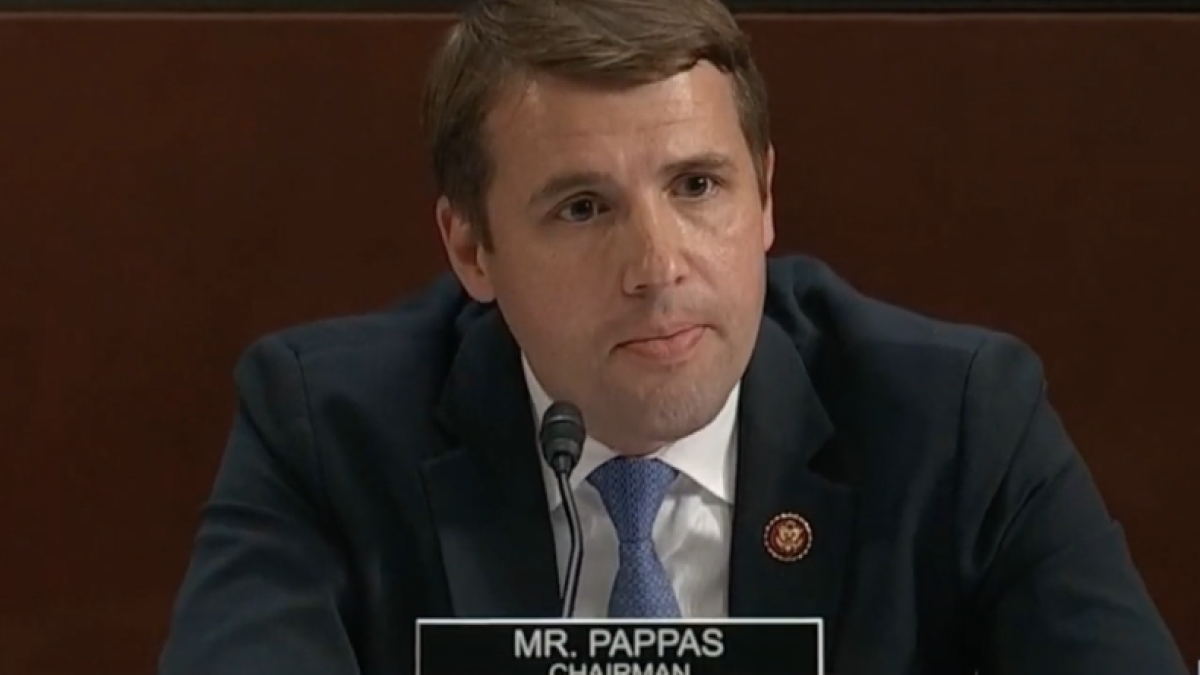
New Hampshire’s Representative Chris Pappas, once openly supportive of pro-Israel initiatives, has recently publicized his stance by voting against an anti-boycott bill. This legislative decision has sparked discussions about his evolving position within the Democratic Party and the implications for future policies.
Understanding the Anti-Boycott Bill
The anti-boycott bill aims to counteract initiatives supporting boycotting, divesting, or sanctioning Israel as a response to its actions in the ongoing Israeli-Palestinian conflict. Proponents argue that such measures undermine Israel’s legitimacy and threaten its security. However, critics view the bill as a suppression of free speech, emphasizing the necessity for dissenting voices in any democratic society. Pappas has found himself in a contentious position, torn between the traditional Democratic Party’s support for Israel and the party’s growing faction advocating for Palestinian rights.
Pappas’s Shift in Position
Pappas’s vote against the anti-boycott legislation raises questions about his political alignment and the influence of his constituents’ views. Once a staunch ally of Israel, his recent choices might indicate a shift reflecting the changing attitudes within his district. This area has seen increasing activism regarding social justice and Palestinian rights, prompting some political analysts to speculate that Pappas is recalibrating his political beliefs based on voter sentiment.
The Impact on His Political Career
This decision may have ramifications for Pappas’s political future, especially as the Democratic Party grapples with internal conflicts over foreign policy. His vote may alienate traditional pro-Israel supporters while simultaneously appealing to progressive voters who advocate for a more balanced approach to the Israeli-Palestinian issue. As Pappas navigates these turbulent waters, the outcomes of his choices will be observed closely, both for their immediate impact and for the long-term effects within New Hampshire’s political landscape.
Broader Implications within the Democratic Party
Pappas’s stance is indicative of a broader trend within the Democratic Party, where younger, more progressive members are increasingly questioning the party’s long-standing alliance with Israel. The divide between the establishment and progressive wings is widening, leading to potential shifts in policy. As voters continue to demand more accountability and a reassessment of international relations, Pappas’s future decisions will likely play a central role in reshaping the Democratic agenda.
In conclusion, Rep. Chris Pappas’s recent voting pattern reflects not only his personal journey but also the evolving landscape of the Democratic Party. As he grapples with the need to represent a diverse constituency in New Hampshire, the ramifications of his choices will echo beyond state lines, influencing the party’s direction and its approach to foreign policy. Balancing these competing interests will prove critical as he navigates the complexities of contemporary political dynamics.