
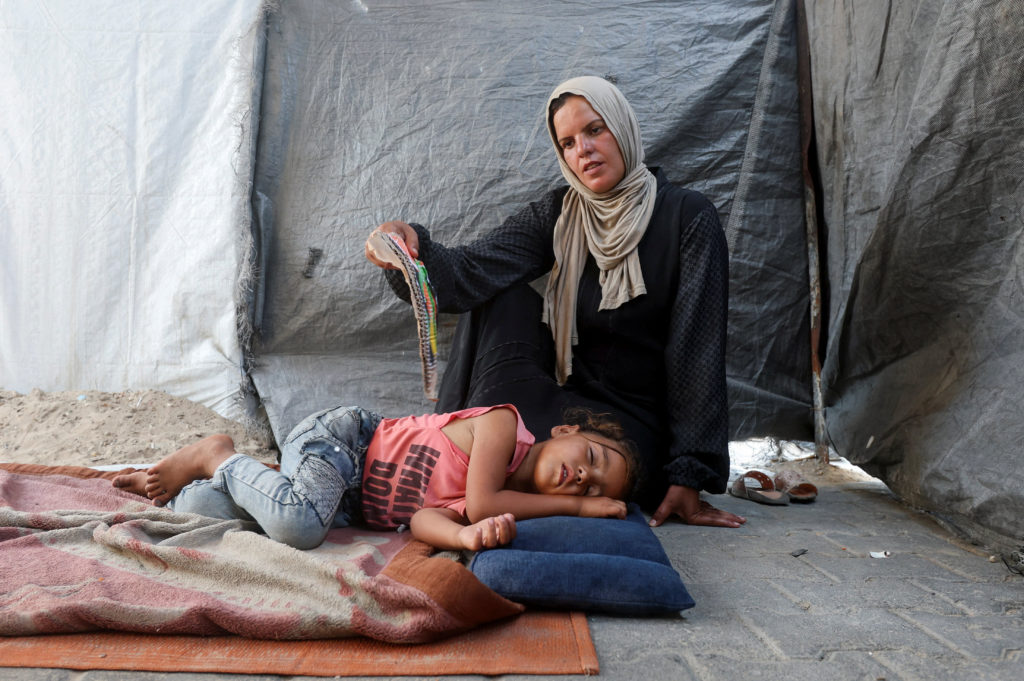
The ongoing conflict in Gaza has reached a grim milestone, marking 1,000 days since the devastating attack led by Hamas on October 7, 2023. This attack ignited a series of violent confrontations between Israel and Hamas, plunging the region into a protracted state of turmoil. As both Israelis and Palestinians continue to endure the anguish of this enduring strife, the toll on human lives and societal structures remains staggering.
Humanitarian Crisis in Gaza
The humanitarian situation in Gaza has worsened significantly, with over 2 million Palestinians bearing the brunt of ongoing violence and destruction. Many reside in makeshift shelters amid the ruins of their homes, grappling with scarce resources and disrupted basic services. Despite a fragile ceasefire established on October 10, Israeli military control has increased, aiming for 70% dominance over the territory. Reports indicate that as of this week, the death toll among Palestinians has surged to 73,066, according to Gaza’s Health Ministry. Meanwhile, the International Committee of the Red Cross has emphasized the urgent need for substantial humanitarian efforts to restore even a semblance of normalcy, warning that current conditions are far from satisfactory.
Impact of Ongoing Violence
Even with the ceasefire in place, Israeli airstrikes persist nearly every day. Since the ceasefire began, at least 1,053 Palestinians have lost their lives, including a significant number of women and children. Frustration among residents has mounted, with individuals like Wisal Abu Khater openly questioning the rationale behind the ceasefire in the face of continuous assaults. The United Nations warns that the Israeli military’s expansion within Gaza poses escalating risks to civilians in areas where boundaries lack clear demarcation, intensifying the already precarious situation.
Stalled Peace Efforts
The complex geopolitical landscape is further complicated by the stagnation of peace initiatives. The Board of Peace, created under the auspices of former U.S. President Donald Trump, aimed to facilitate Gaza’s recovery following the hostilities. However, efforts have stalled, primarily due to disagreements regarding the disarmament of Hamas. Although Hamas has not outright rejected the idea of disarmament, it seeks to retain some weaponry while demanding concessions from Israel. This impasse continues to hinder the establishment of a new governance structure for Gaza and the deployment of international stabilization forces that would be essential for reconstruction.
Israeli Societal Impact and Political Landscape
The attack on October 7 not only marked a tragic chapter in Israeli history but also left a profound psychological scar on the nation. Public commemorations have taken place across Israel, honoring the victims and expressing collective grief. Amidst this atmosphere of mourning, calls for a state commission of inquiry into the security failures leading up to the attack have gained momentum, spurring protests against Prime Minister Benjamin Netanyahu’s administration. With public dissatisfaction surging, a significant portion of Israelis believe Netanyahu should not seek reelection, as frustrations over security lapses and his government’s lack of accountability continue to mount.
The situation in Gaza and Israel remains fluid and uncertain, with both sides grappling with the consequences of violence that has claimed thousands of lives. As local and global stakeholders navigate these tumultuous waters, the search for a lasting resolution appears more urgent than ever, underscored by the human cost of continuous conflict.