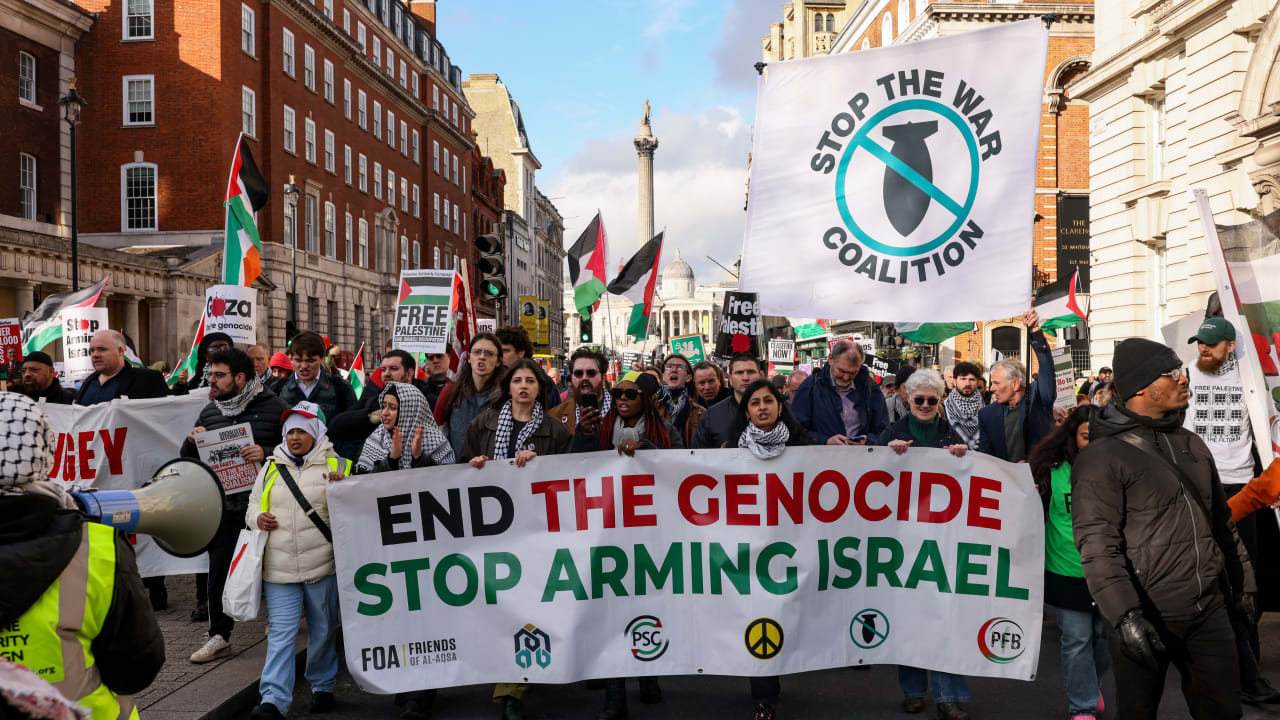
In the aftermath of the events on October 7, the complex discussions surrounding Israel have led to frequent use of four terms: “genocide,” “apartheid,” “war crimes,” and “proportionality.” Understanding these terms is critical, yet they are often misapplied by activists, celebrities, and filmmakers who propagate allegations without thoroughly examining legal definitions or factual contexts.
### The View from the Ground
Having served in an IDF medical extraction unit since the onset of the conflict, I have witnessed events on the ground firsthand. Contrary to claims of genocide, apartheid, or war crimes, the reality reveals a democracy exercising considerable restraint while combatting an adversary that has openly articulated its intention to annihilate it.
### War Crimes: A Legal Perspective
International law delineates specific actions classified as war crimes, including the intentional targeting of civilian infrastructure and the use of human shields. The patterns of behavior exhibited by Hamas tend to align with numerous criteria from this definition. The organization’s operations have involved endangering civilians, such as using schools and hospitals for military purposes, which undermines their protected status under the Geneva Convention. It is vital to recognize that such legal frameworks are designed to prevent groups from exploiting civilian populations.
### Proportionality in Warfare
Critics argue that the higher casualty rates in Gaza signify a disproportionate response from Israel. However, proportionality is not merely a metric of casualties; it involves weighing military gain against civilian harm. Suggesting that Israel should replicate the atrocities experienced on October 7 in its military response is an unreasonable expectation and fails to consider the legal and ethical standards of self-defense.
Israel voluntarily takes measures to minimize civilian casualties, including issuing evacuation notices and conducting ground operations rather than airstrikes. This approach, which sometimes leads to higher risks for Israeli soldiers, demonstrates a commitment to lawful engagement in the face of aggression.
### Examining Genocide Claims
To be characterized as genocide, there must be clear intent to destroy a particular group. Israel’s actions—facilitating substantial aid deliveries to Gaza and avoiding indiscriminate strikes—contradict any notion of genocidal intentions. In contrast, Hamas explicitly advocates for the destruction of Israel and has celebrated violent acts against civilians. These factors indicate that the claims of genocide should be scrutinized more closely.
### The Issue of Apartheid
Apartheid refers to an institutionalized system of racial segregation. In Israel, Arab citizens represent around one-fifth of the population, enjoying voting rights, representation in government, and access to the judiciary. This demographic reality undermines any assertion that Israel practices apartheid, illustrating instead a functioning democracy, albeit not without its flaws.
### Conclusion: Understanding the Full Scope
In this conflict, the narrative has often reversed cause and effect: Israel, the nation invaded and attacked, is portrayed as the aggressor, while the attacking entity is presented as a victim. Those perpetuating allegations related to “genocide,” “apartheid,” and “war crimes” should first engage critically with the underlying legal principles. A nuanced understanding is essential for addressing these complex and emotionally charged issues accurately.