
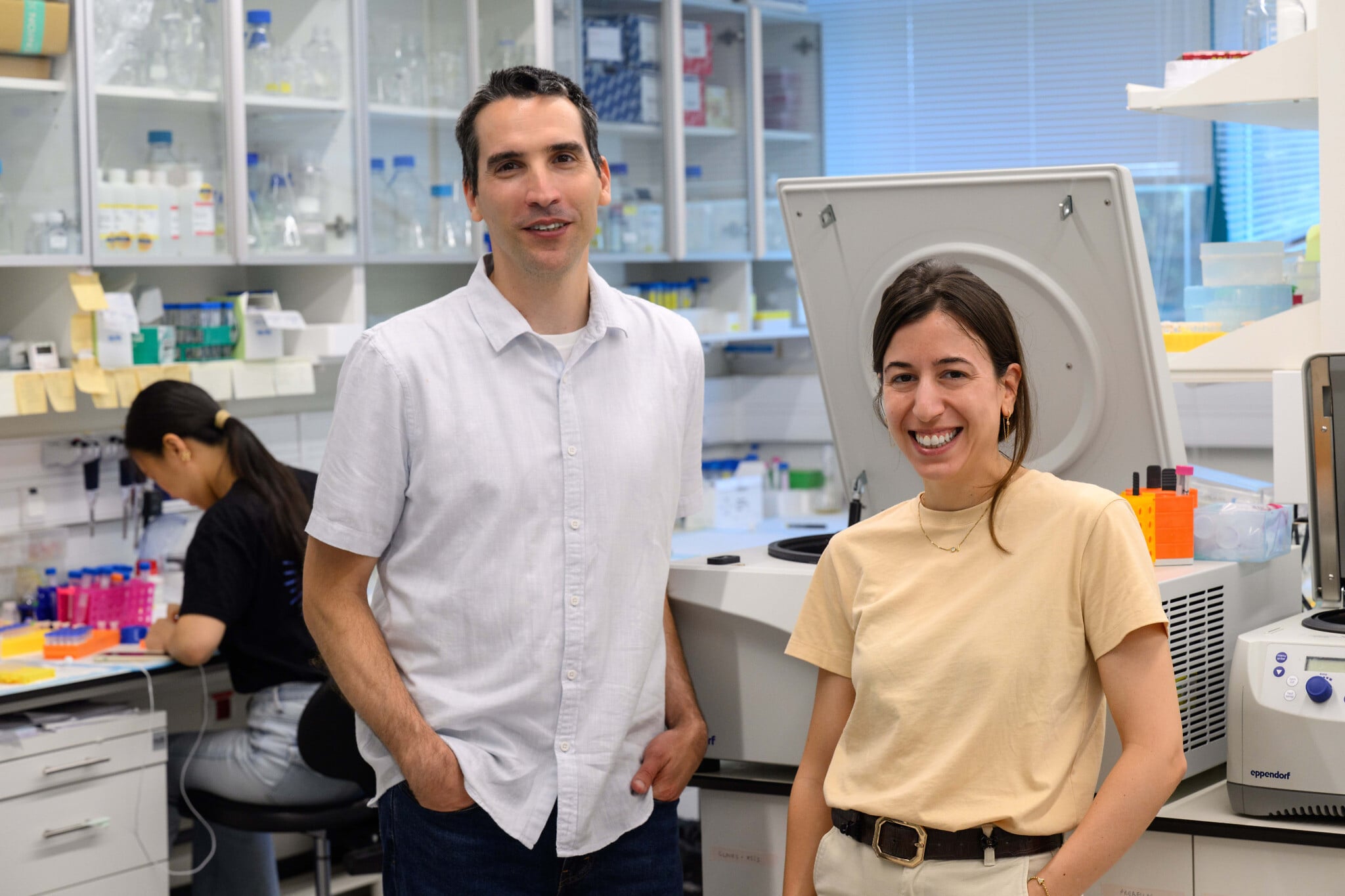
Recent research conducted by scientists at the Weizmann Institute of Science in collaboration with Rowan University unveils significant insights regarding the functioning of repair enzymes in genetic structures. This groundbreaking study reveals how these enzymes struggle to address specific gene configurations, which could pave the way for innovative therapeutic approaches in the future.
Understanding Genetic Repair Mechanisms
Repair enzymes play a crucial role in maintaining the integrity of DNA by correcting errors that occur during replication or due to environmental factors. However, not all gene structures are treated equally by these enzymes. The recent findings indicate that certain shapes and configurations of genes can impede the efficiency of repair mechanisms. This discovery is essential in identifying why some genetic mutations might persist and lead to diseases.
The study investigated various types of gene shapes, focusing on how these physical forms influence the action of repair enzymes. By analyzing these interactions, researchers were able to delineate the limitations these enzymes face. This research highlights the complexity of genetic maintenance and introduces the idea that the architecture of DNA is just as important as its sequence when it comes to cellular repair processes.
Implications for Therapeutic Development
The implications of these findings are vast. Understanding why certain genes evade repair mechanisms opens up new avenues for developing therapies aimed at specific genetic disorders. By targeting the structural aspects of genes, scientists might create interventions that enhance the activity of repair enzymes or even design new therapeutic agents that can correct genetic errors more effectively.
This study presents a paradigm shift in how researchers approach genetic diseases. Instead of simply focusing on the gene sequences or the conventional repair processes, attention can now be directed toward the geometric characteristics of DNA. This could lead to breakthroughs in treating conditions that currently have limited options, such as some hereditary cancers and inherited metabolic disorders.
Future Directions of Research
As this area of research progresses, it is critical to foster collaboration between molecular biologists, geneticists, and biophysicists. By working together, these experts can further investigate the behavioral patterns of repair enzymes in relation to various gene shapes. Future studies could explore gene editing techniques, like CRISPR, to determine their efficacy based on gene architecture.
Moreover, understanding the limitations of current repair enzymes may inspire the engineering of more robust versions capable of targeting unconventional gene structures. This research not only has the potential to advance therapeutic options but also enhances our overall comprehension of genetic stability and evolution.
In conclusion, the collaborative efforts of the Weizmann Institute and Rowan University have illuminated fundamental aspects of gene repair that were previously overlooked. By recognizing the significance of gene structures in the effectiveness of repair enzymes, this research lays a foundation for pioneering therapeutic strategies. The journey to unravel the complexities of genetics is ongoing, and with each discovery, we move closer to unlocking new possibilities for health and medicine.