
Hamas has recently expressed concerns about Israel’s intent in Gaza following significant political changes within the enclave. The Palestinian organization believes that the dissolution of the emergency committee, alongside the resignation of key officials, signifies an effort by Israel to create an “administrative vacuum” in the region.
Hamas’s Commitment to Ceasefire Agreement
According to Hamas, they remain steadfast in their commitment to the terms outlined in the Gaza ceasefire agreement. The group insists it will uphold all provisions until the National Committee for the Administration of Gaza fully assumes control. This move is seen as crucial for restoring order and governance in a territory that has faced tremendous turmoil. Following the recent political transitions, including the resignation of acting government follow-up chief Mohammed Abdul Khaleq Al-Farra, Hamas argues these adjustments are essential steps for delegating responsibilities to the national committee.
Accusations Against Israel
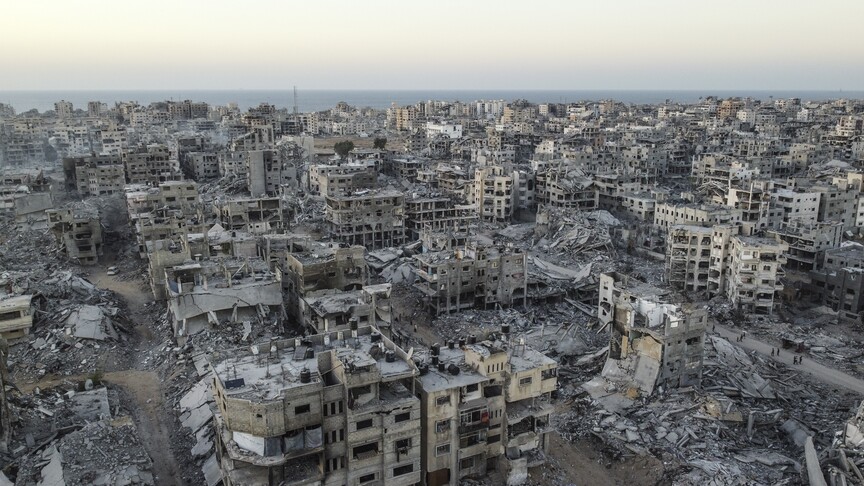
Hamas accuses Israel of intentionally attempting to disrupt the implementation of the ceasefire agreement, which they believe exacerbates the already dire living conditions in Gaza. The organization claims that Israel is looking to deepen humanitarian suffering and impede efforts to reinstate normality within the territory. They have urged international mediators and supporting nations to apply immediate pressure on Israel, emphasizing the need for it to prevent further obstacles to the agreement. Additionally, they demand that the National Committee for the Administration of Gaza be allowed to operate freely within the enclave.
Current Diplomatic Efforts
This announcement coincides with ongoing diplomatic discussions taking place in Cairo aimed at advancing the ceasefire agreement and addressing the next phases of the peace process. The situation remains tense, as diplomatic talks seek to address the myriad challenges that persist. Amid these discussions, Gaza’s Government Media Office confirmed the restructuring efforts within the government, which they claim are intended to facilitate a more effective transition of authority within the territory.
Responses from Israeli Officials
In response, Israeli Foreign Minister Gideon Saar dismissed Hamas’s announcements as mere “deception.” He asserted that Hamas aims to retain military control in Gaza, likening their strategies to those of Hezbollah in Lebanon. This criticism underscores the ongoing tensions and the complex dynamics involved in governance and military influence in the region.
The backdrop of these developments is rooted in a broader context of conflict and attempts at resolution. The U.S. previously emphasized the importance of establishing a stable governance structure in Gaza, with a 20-point plan announced by former President Donald Trump in September 2025. This plan aimed to provide a framework for peace, including the release of hostages and a partial military withdrawal from Gaza. However, the implementation of this plan has faced numerous challenges, and while Hamas claims to have fulfilled its initial obligations, they argue that Israel has not upheld its end of the bargain.
As the situation continues to evolve, the international community watches closely, hoping for a resolution that allows for peace and stability in a region that has endured suffering for too long. The implications of these administrative and diplomatic changes in Gaza will significantly impact the lives of its residents, and the global community remains keenly aware of the ongoing humanitarian crisis.