
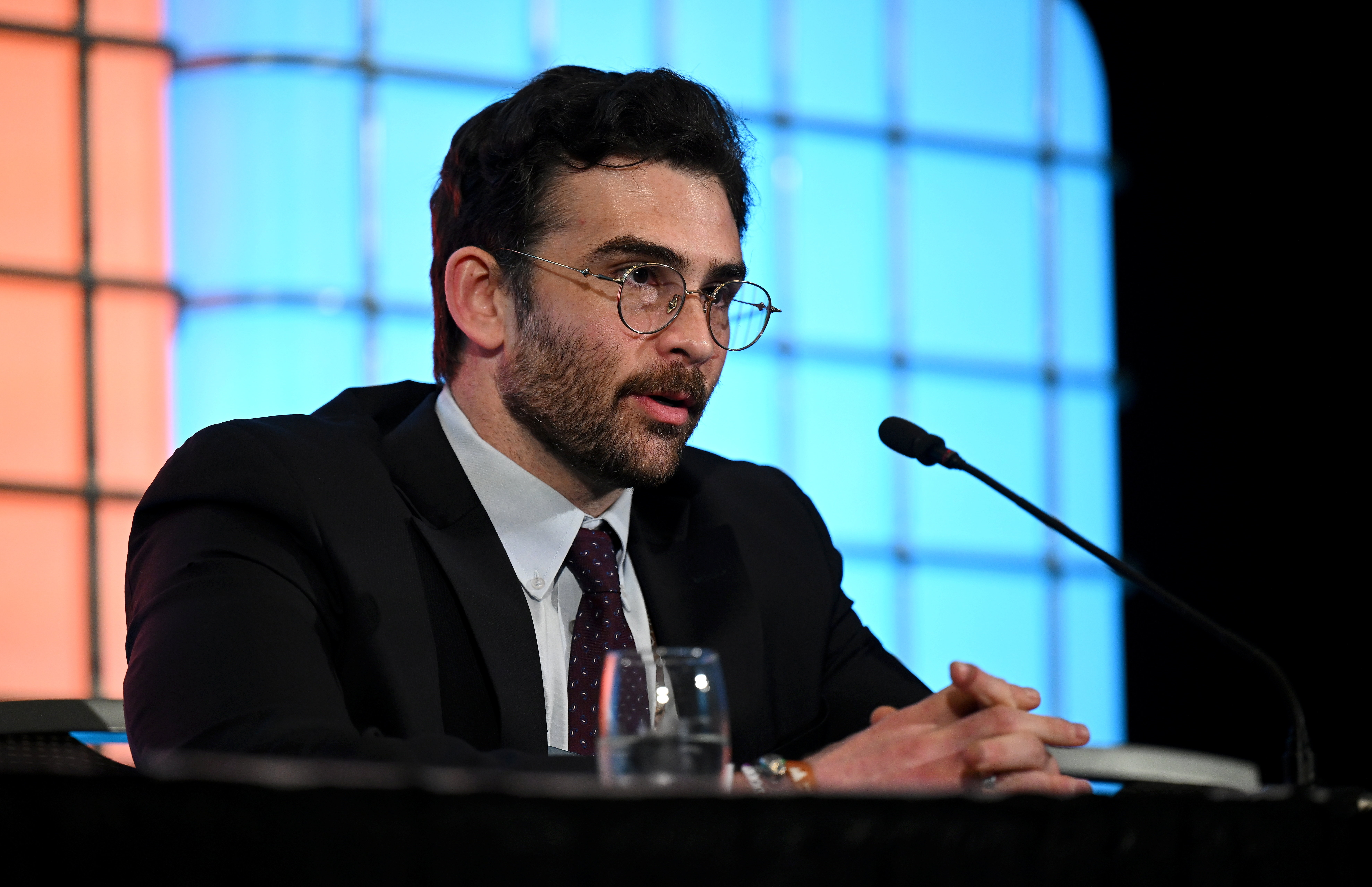
Hasan Piker, a controversial social media figure, sparked significant debate recently with his statements regarding American Jews and their support for Israel. During a livestream, Piker suggested that Jews who strongly identify with Israel may be putting themselves at risk of violence. His comments have raised concerns about the implications of his rhetoric, given his previous statements and actions that have often veered into antisemitic territory.
Piker’s Controversial Remarks
During a nearly seven-hour Twitch stream, Piker claimed that American Jews who express strong ties to Israel are exacerbating antisemitism. He referred to Israel as “Jewish ISIS” and argued that this identification could ultimately lead to violence against American Jews themselves. His assertion that “people don’t f*** with Israel any longer,” underscores his belief that the perception of Israel could increasingly endanger its supporters outside of the country. His comments are troubling, as they seem to imply that Jews, by supporting Israel, are inviting hostility.
The Impact of Identity and Support for Israel
Piker further emphasized that Jews in America should be cautious in how they associate their identities with Israel. He described this connection as dangerous, suggesting that it reinforces negative stereotypes and heightens risks for Jewish individuals. This viewpoint reflects a troubling tendency within activist discourse, where an unwavering support for a single narrative can have real-world consequences. By stating that Jews are “making antisemitism worse,” Piker calls into question the complexities surrounding Jewish identity and the broader societal perceptions of supporting a state like Israel.
A History of Controversial Statements
Piker’s history of problematic rhetoric includes justifications for terrorism and derogatory comments about religious groups. He has previously defended Hamas, expressing that he would “vote for Hamas over Israel every single time,” which starkly illustrates his ideological leanings. In an interview, he defended using pejoratives to describe groups he perceives as ethnonationalist. These remarks contribute to a growing concern about the normalization of extreme viewpoints within certain political circles.
Endorsements and the Broader Political Landscape
Despite his controversial history, Piker has been welcomed at various significant political events. Recently, he participated in the College Democrats of America’s convention, indicating that his influence among progressive circles continues to grow. His alignment with candidates like Abdul El-Sayed, who has faced criticism for his stance on Israel, further underscores the complexities of political alliances in the current landscape. El-Sayed’s refusal to acknowledge Israel’s right to exist raises questions about the implications it could have for Jewish communities.
Piker’s recent comments and actions serve as a reminder of the ongoing tensions within political discourse, especially concerning sensitive topics like identity and national allegiance. As debates surrounding Israel and antisemitism continue to unfold, it is crucial to consider the impacts of public figures on these discussions. The intersection of social media, politics, and identity will remain a contentious arena as influential voices continue to shape narratives around these significant issues.