
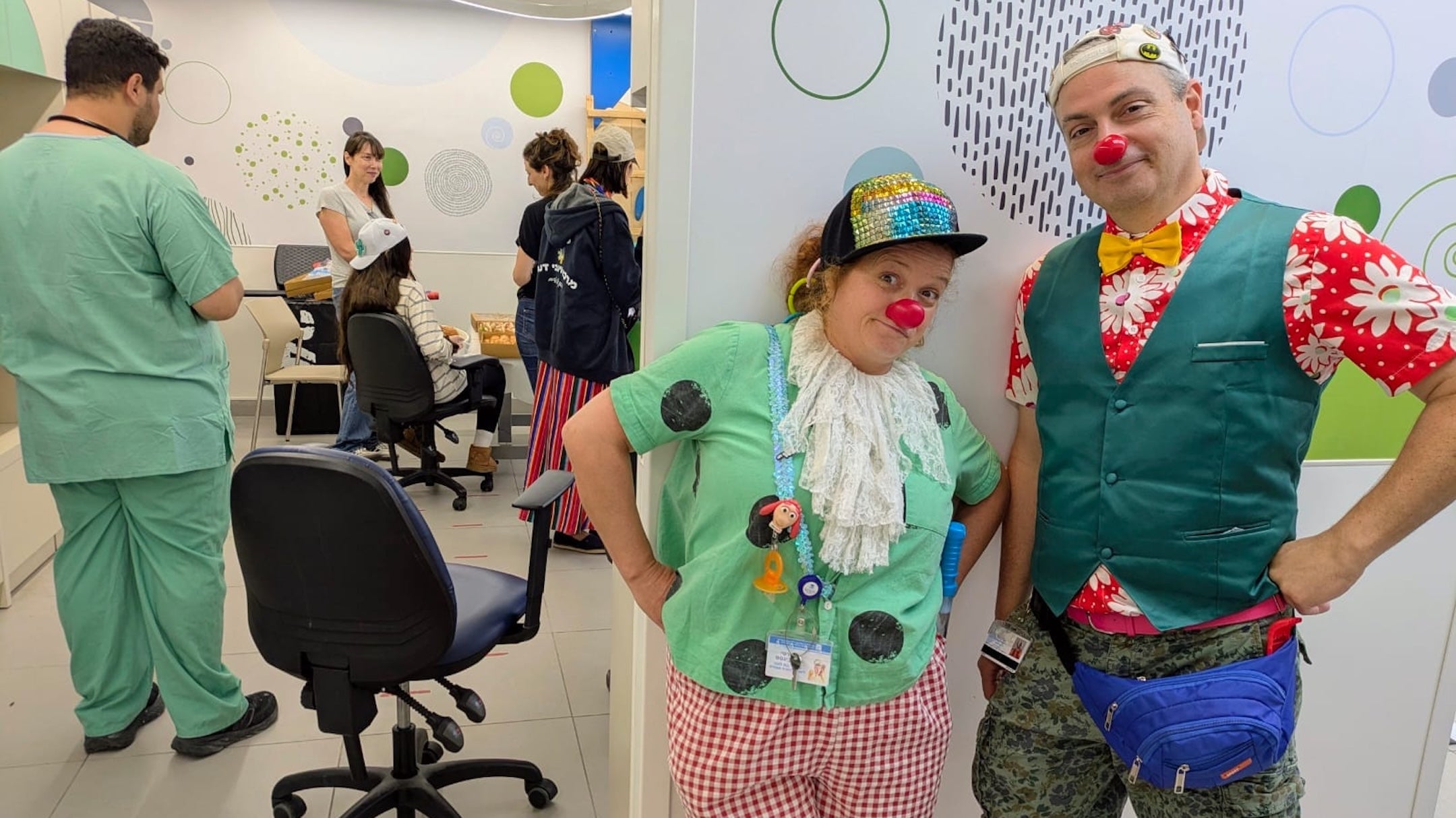
In the realm of pediatric healthcare, the impactful presence of medical clowns has become increasingly evident. These practitioners not only entertain young patients but also play a crucial role in aiding their emotional recovery. Among them, Shorty, a 4-foot-8-inch medical clown, has captured the hearts of children at Tel Aviv’s Dana-Dwek Children’s Hospital. Her antics, filled with humor and whimsical performances, provide a unique form of therapy that enhances the healing process.
The Role of Medical Clowns in Healing Children
The practice of medical clowning has expanded significantly in Israel over the past 25 years. Organizations such as Dream Doctors and Simchat Halev establish an essential network of clowns who work in hospitals, bringing laughter and relief to young patients. Dream Doctors employ about 100 trained clowns who work as paraprofessionals alongside healthcare workers in more than 30 hospitals. This integrated approach allows clowns to engage with patients during medical procedures, contributing to a more positive hospital experience.
Research backs the effectiveness of this approach, revealing that interactions with medical clowns can significantly reduce anxiety in children undergoing medical treatments. A 2024 review of various studies showed a marked decrease in pain and distress, establishing the essential role of clowns in psychotherapy and emotional recovery. For instance, in an Israeli study, children who received help from clowns during blood draws experienced significantly less stress, indicating the tremendous power of laughter in therapeutic contexts.
Innovative Approaches to Medical Clowning
In addition to traditional clown performances, Israeli medical clowns actively engage in trauma care and rehabilitation. They have pioneered initiatives that extend beyond mere entertainment, creating programs like the Clownbulance, which provides therapeutic excursions for seriously ill or traumatized children. These outings allow children to reconnect with joy and normalcy, offering them a vital diversion from the confines of a hospital setting.
For example, after events of extreme trauma, such as the October 2023 violence, medical clowns found themselves attending to both soldiers and civilians impacted by the crisis. Their adaptability in challenging environments showcases their vital role in healthcare, extending comfort and support in the aftermath of trauma. This shift has highlighted the growing need for emotional support systems in hospitals, paving the way for expanded roles for medical clowns across various medical settings.
The Unique Training of Medical Clowns
The path to becoming a medical clown is unique and varied, often attracting individuals from diverse backgrounds. Some medical clowns have theatrical training, while others may have limited formal education. The esteemed medical clowning program at Haifa University provides specialized training, equipping clowns with the skills needed to create meaningful interactions with patients. This training emphasizes the importance of listening and adapting to the emotional states of children in distress, allowing clowns to foster genuine connections that lead to healing experiences.
Medical clowns thrive on spontaneity, embracing the unpredictable nature of their work. They balance the weight of serious medical circumstances with humor, turning tense moments into opportunities for laughter. This approach is particularly valuable when children feel overwhelmed; medical clowns become facilitators of joy, offering a respite from their struggles. By meeting children where they are, clowns help to lift their spirits, reminding them that even amidst challenging situations, laughter is always an option.
In conclusion, medical clowns like Shorty play a vital role in the healing process for children in hospitals. Their ability to blend humor with therapeutic support makes them invaluable allies in healthcare environments, particularly in Israel, where their efforts have contributed to redefining the emotional landscape of medical care. As research continues to support their impact, the role of medical clowns is poised to expand, further integrating joy into the recovery journeys of young patients.