
In the current landscape of the Palestinian-Israeli conflict, tensions continue to escalate as security measures intensify. The use of unconventional devices like kites in this ongoing struggle has drawn significant attention, particularly in how they are perceived by military authorities. With both sides adjusting their strategies, it is crucial to understand the implications of such developments.
Military Response to Kite Incidents
Israeli Defense Minister has declared that kites launched towards Israeli territory will be classified similarly to drones, regardless of whether they are armed. This decision stems from a series of incidents where kite-flying has been associated with provocative actions, often signaling a shift in the dynamics of aerial confrontations. The rationale behind equating these simple devices with more sophisticated drones highlights Israel’s commitment to preemptive measures aimed at neutralizing perceived threats before they can escalate.
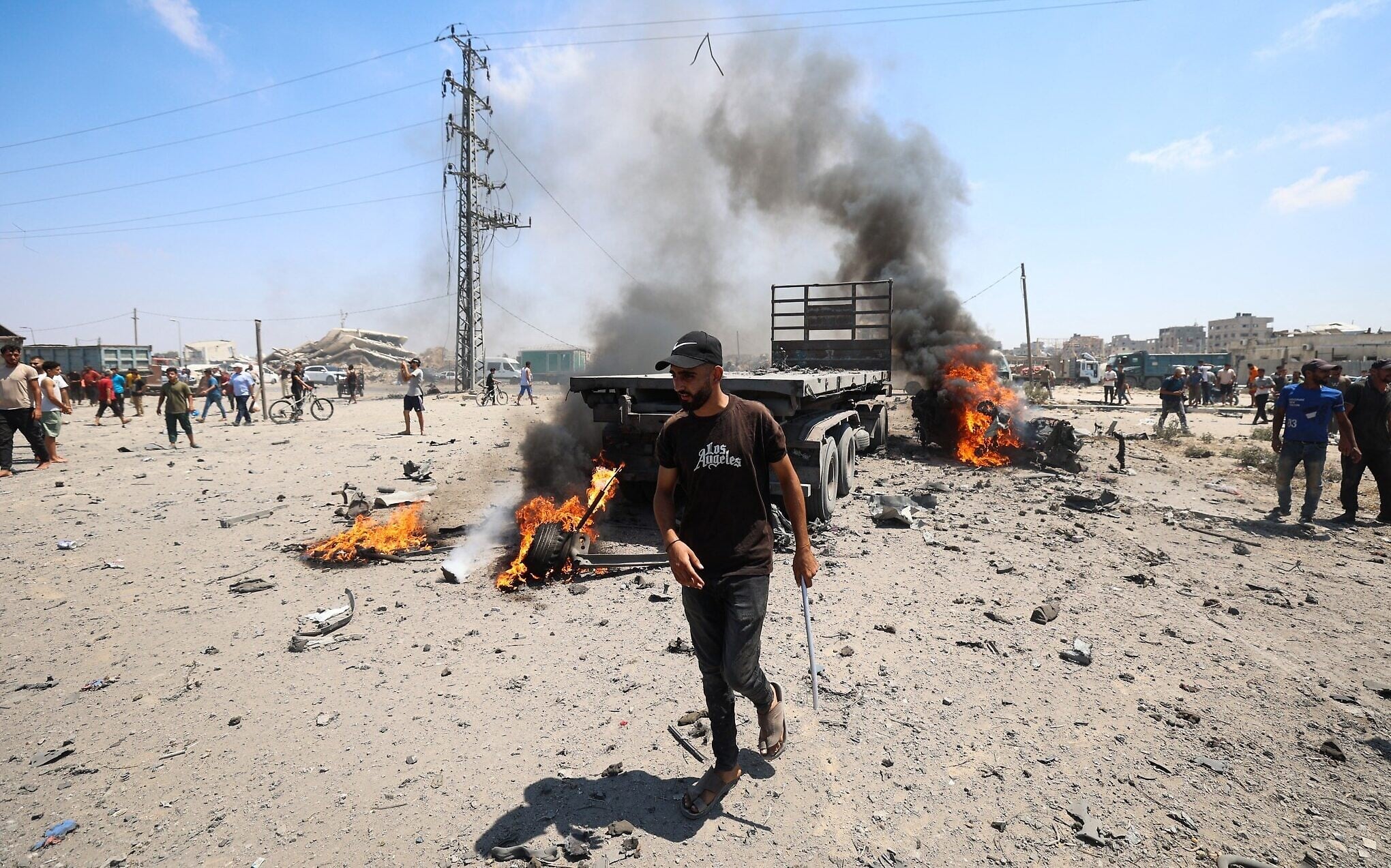
In recent military operations, Israeli forces have conducted strikes targeting individuals labeled as terrorists in central Gaza. These operations reflect a clearer enforcement of military policy in response to what the Israeli government views as ongoing assaults. The government’s tough stance serves to deter further provocations and reinforce its readiness to respond to any actions that could compromise national security.
The Broader Context of Conflict
The escalation of such military actions is not simply about kites or drones; it is part of a larger narrative of conflict where each side continually recalibrates its strategies and policies. Both Palestinian groups and Israeli authorities engage in a cycle of retaliation and defense, which complicates efforts for long-term peace. This cycle is fueled by historical grievances, territorial disputes, and a profound lack of trust, making any resolution feel distant.
It is essential to recognize the implications of these military tactics. When a device like a kite is subjected to the same scrutiny as a military drone, it emphasizes the increasing severity with which both sides approach even minor provocations. This action could further restrict avenues for diplomatic dialogue, as military posturing takes precedence over negotiations aimed at conflict resolution.
Potential Implications for Civilians
The ramifications of these military strategies extend deeply into civilian life. In Gaza, increased airstrikes and military presence can lead to heightened fear and instability among the population. Not only do these actions disrupt daily life, but they also create an environment where innocent civilians may be caught in the crossfire. Consequently, the label of “terrorist” attached to any individual can complicate the already complex humanitarian situation in the region.
As the conflict evolves, it is vital for both sides to consider the broader implications of their military actions. The shift in treating kites like drones could heighten tensions and escalate violence, making peace seem even more elusive. Ultimately, this may require not just a reevaluation of military strategies but also a greater focus on finding common ground and methods of de-escalation.
In summary, the classification of kites as threats akin to drones signals a significant shift in the Israeli military’s approach to emerging provocations. While such measures may be aimed at deterring attacks, they also serve to complicate an already fraught situation, with potential adverse effects on the lives of civilians caught in the turmoil. As both sides look for answers, the path to peace remains one of the most challenging endeavors in contemporary geopolitics.