
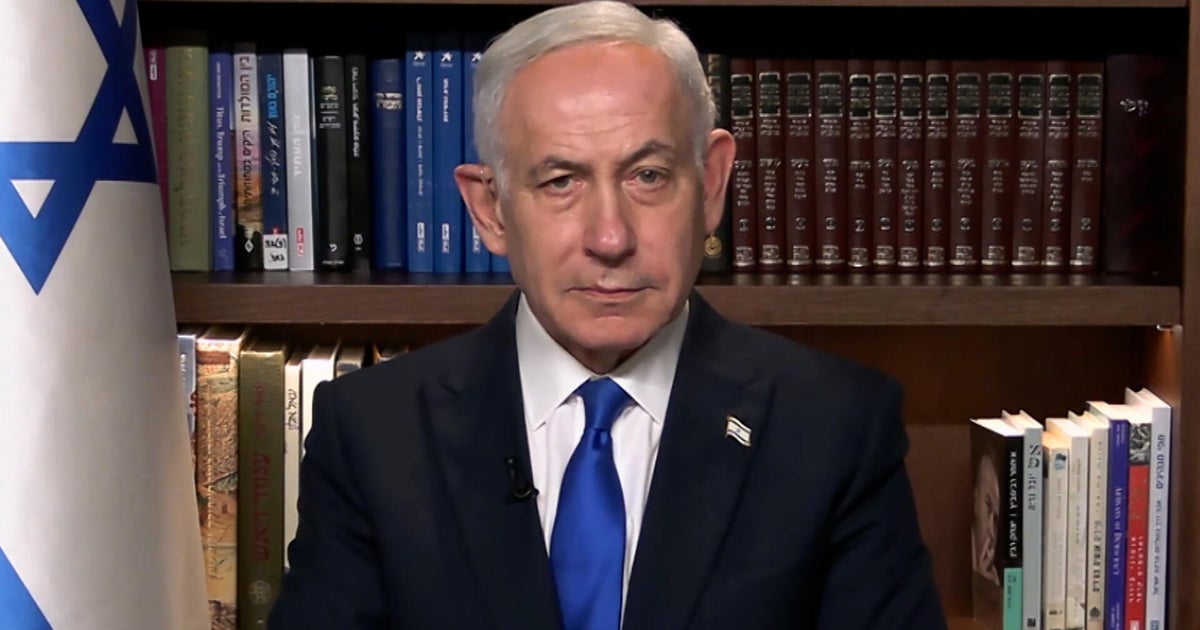
Israel’s Prime Minister Benjamin Netanyahu has recently faced significant political challenges, triggering substantial discussions about his leadership style and decision-making processes. As the country navigates complex domestic and international issues, a closer examination of Netanyahu’s political landscape reveals insights into his governance and its implications for Israel’s future.
The Rise of Netanyahu’s Political Influence
Since first taking office in 2009, Netanyahu has established himself as a dominant figure in Israeli politics. His tenure is marked by a blend of hardline policies and strategic alliances that have reshaped the political status quo. His commitment to security and defense has garnered support from right-wing factions, while his focus on economic growth has appealed to a broader base. However, this duality has also led to polarization within the electorate, raising questions about the sustainability of his political capital.
Challenges Facing Netanyahu’s Administration
Netanyahu’s government faces mounting challenges, both internally and externally. Domestically, public discontent over economic inequality, housing affordability, and corruption allegations have fueled protests and dissent. Moreover, his handling of the COVID-19 pandemic exposed fractures in public trust. Internationally, Netanyahu grapples with changing dynamics in the Middle East, including shifting alliances and crises involving Palestine, which complicate Israel’s diplomatic relations.
In recent months, Netanyahu has attempted to navigate these turbulent waters by prioritizing partnerships with various nations while addressing internal strife. His efforts to foster normalization agreements with Arab states have been viewed as pivotal for Israel’s regional standing. However, these moves have often stirred debate about their long-term implications for peace and stability in the area.
Future Prospects and Political Landscape
Looking ahead, Netanyahu’s political future remains uncertain but crucial to Israel’s trajectory. His ability to unify disparate factions within his coalition will be critical, especially as he seeks to implement his policies amidst an increasingly fragmented political environment. Continued protests against his leadership suggest that he may need to adopt more conciliatory approaches to maintain public support.
Additionally, as Netanyahu faces potential legal challenges, including corruption charges that have loomed over his leadership, the political landscape will likely continue to evolve. How he addresses these issues, along with his strategies for economic recovery and national security, will ultimately shape his legacy and the future of Israeli politics.
Netanyahu’s reign is characterized by resilience and adaptability, but the coming months may test the limits of his leadership. As Israel grapples with pressing challenges, the actions taken by its Prime Minister will play a pivotal role in determining the nation’s direction in both local and international arenas.