
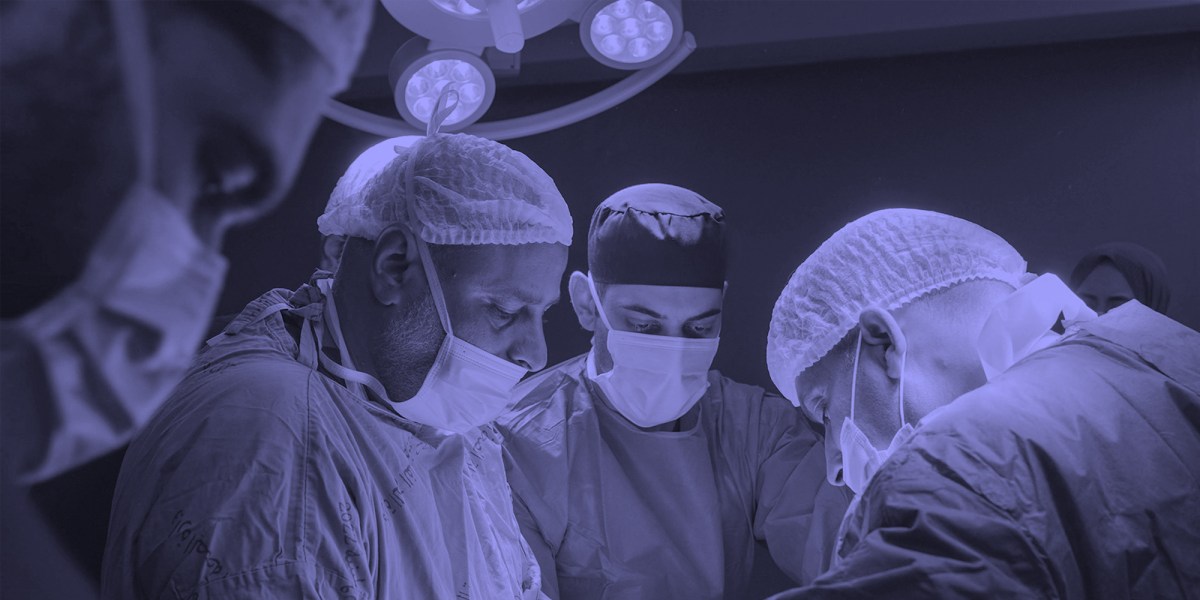
It has been nearly three years since the onset of Israel’s conflict with the Palestinians, a period marked by escalating violence and humanitarian crises. Recent reports indicate that since the temporary ceasefire in October 2025, over 1,200 lives have been lost due to continued Israeli bombardments in Gaza. The conflict has decimated healthcare facilities, leaving medical workers struggling to provide care under increasingly dire conditions.
The Impact on Healthcare in Gaza
Dr. Thaer Ahmad, an emergency medicine physician actively involved in humanitarian efforts, sheds light on the ongoing crisis affecting healthcare systems in Gaza. He emphasizes that essential medical supplies are scarce, and healthcare practitioners operate in a state of insecurity. “Every day we hear from colleagues who lack the materials needed to serve their patients,” Dr. Ahmad states, highlighting the immense burden on healthcare providers. In a recent podcast by The Intercept, Dr. Ahmad discusses his experiences in Gaza and how a new documentary titled “American Doctor” chronicles the efforts of U.S. doctors who venture into conflict zones to provide medical assistance amidst chaos.
Since the beginning of this ongoing war in October 2023, estimates indicate that at least 70,000 Palestinians have been killed and over 171,000 injured. The situation is exacerbated by severe restrictions on the flow of medical aid into Gaza, further complicating the ability of doctors to perform even basic procedures. Dr. Ahmad reports that a staggering number of patients—upwards of 18,000—require urgent evacuation for treatment due to the blockade imposed by Israeli authorities.
Challenges in Sharing the Truth
Despite their extraordinary commitment to humanitarian efforts, the American doctors featured in the documentary faced retaliation upon returning home. They struggled to share their accounts of the atrocities witnessed in Gaza, often met with reluctance from mainstream media and indifference from lawmakers. “Whenever these doctors attempt to discuss what they’ve seen, they are met with resistance,” director Poh Si Teng notes. She emphasizes that this reflects a broader societal refusal to engage critically with America’s financial support of military initiatives abroad rather than addressing pressing domestic needs such as education and healthcare.
This tension extends to the media’s narrative framing, often skewed toward veiled biases. Clips from the film illustrate how carefully framed questions can ignore the wider implications of Israeli policies. For example, a CNN interview highlights how coverage may downplay Israeli accountability by redirecting attention to Hamas when discussing aid logistics. This consistent bias has prompted an urgent conversation about the need for authenticity and truth in reporting.
Voices of Resistance and Hope
In the face of overwhelming challenges, the film offers a glimmer of inspiration from the actions taken by the doctors. “For those trying to make a difference in this critical moment, we do possess agency,” explains Dr. Ahmad. Their experiences encourage viewers to acknowledge their power to influence change within their communities. The filmmakers emphasize the importance of showing the realities faced by those under siege, documenting their struggles for the world to see.
The narrative presented by “American Doctor” aims not only to inform but also to challenge viewers to think critically about the humanitarian implications of war. It serves as a crucial reminder of the ongoing plight of Palestinians and calls for increased awareness and advocacy. As Dr. Ahmad poignantly remarks, “The conditions in Gaza are not just statistics; they encompass human lives, each with stories that demand to be told.”
As the documentary gains traction, it offers hope that awareness can lead to tangible changes in public discourse and policy regarding U.S. involvement in the Middle East. The voices of the American doctors highlight a collective plea for recognition, urging society to confront uncomfortable truths about the ramifications of conflict and humanitarian response.
With further discussions and screenings on the horizon, this initiative holds promise for fostering empathy and understanding in a context often marred by polarization. The ongoing efforts of healthcare professionals and humanitarian workers should inspire a collective movement towards advocating for peace, justice, and accountability for all impacted by the conflict.