
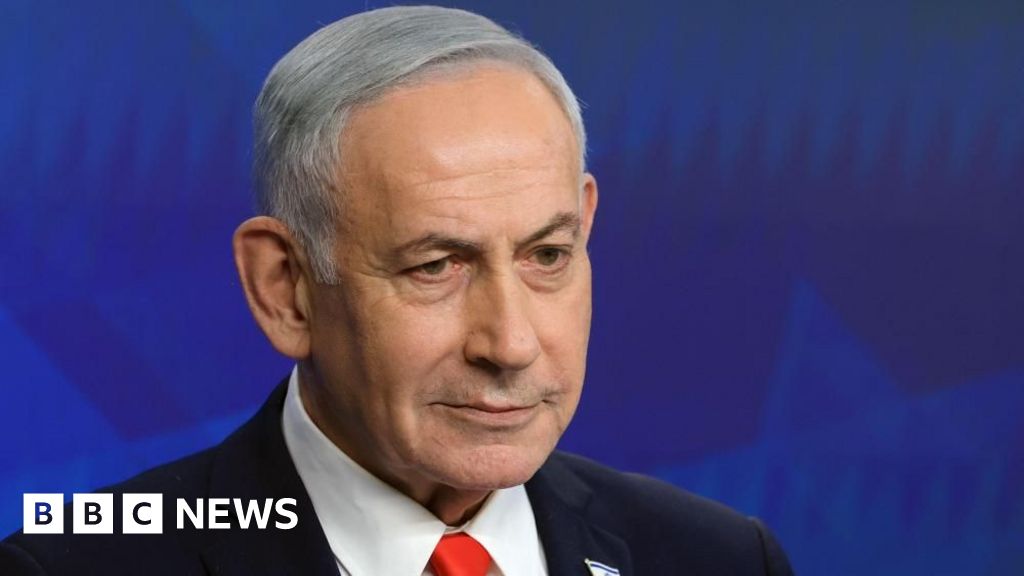
Donald Trump’s recent ceasefire agreement with Iran presents a significant political and security challenge for the Israeli Prime Minister. The shifting dynamics in the Middle East are prompting Israeli leaders to reassess their strategies in light of the evolving situation.
Implications of Trump’s Agreement
The ceasefire agreement brokered by the Trump administration marks a critical turning point in U.S.-Iran relations. This development has sent ripples across the region, particularly affecting Israel’s political landscape. With Iran experiencing a thaw in relations with the United States, Israeli officials fear that their longstanding strategy of containment may be undermined. The potential lifting of sanctions against Iran could lead to an increase in its military funding and broader regional influence, directly impacting Israeli security concerns.
Moreover, the agreement poses a dilemma for Israel’s Prime Minister, who must navigate a complex political terrain. In the past, Israel has been vocal against any agreements perceived to benefit Iran, and the current situation complicates that stance. There is an urgent need for Israel to realign its diplomatic and military strategies to address the challenges posed by Iran’s renewed international standing.
Challenges for Israel’s Political Leadership
The Israeli Prime Minister finds himself in a precarious position, balancing domestic expectations with international pressures. Israel’s populace has historically supported strong measures against perceived threats, and with Iranian influence potentially growing, the demand for robust action increases. However, any aggressive military response could escalate tensions, potentially leading to wider conflicts in the region. This leaves the PM with limited options to reassure both his electorate and regional allies.
Furthermore, with the shifting support from the U.S., Israeli leaders may find it increasingly difficult to rally international backing for their policies. The ceasefire puts them in a position where they must carefully craft their messaging and strategy to avoid isolating themselves on the global stage while still addressing their security needs.
Strategies Moving Forward
Moving forward, Israel’s leadership will need to re-evaluate its approach. Strengthening diplomatic relations with allies, particularly in Europe and other Middle Eastern countries, will be critical. Israel could also pursue joint security initiatives that enhance its defense capabilities, ensuring it remains prepared for any potential threats stemming from Iran’s newfound position.
Additionally, engaging in dialogue with the U.S. to express its concerns regarding the agreement will be essential. Israel’s government must convey the risks associated with Iran’s increased power in regional geopolitics. By positioning itself as a key player in discussions about Middle Eastern security, Israel can work to mitigate the potential adverse effects of the ceasefire on its national security.
Conclusion
In conclusion, Donald Trump’s ceasefire agreement with Iran introduces a complicated new chapter for Israeli politics. With potential shifts in Iran’s influence and a reassessment of military strategies looming, the Israeli Prime Minister faces unprecedented challenges. Strategies focused on building alliances and addressing security concerns will be paramount as Israel navigates this evolving geopolitical landscape, ensuring its long-term safety and stability in the region.