
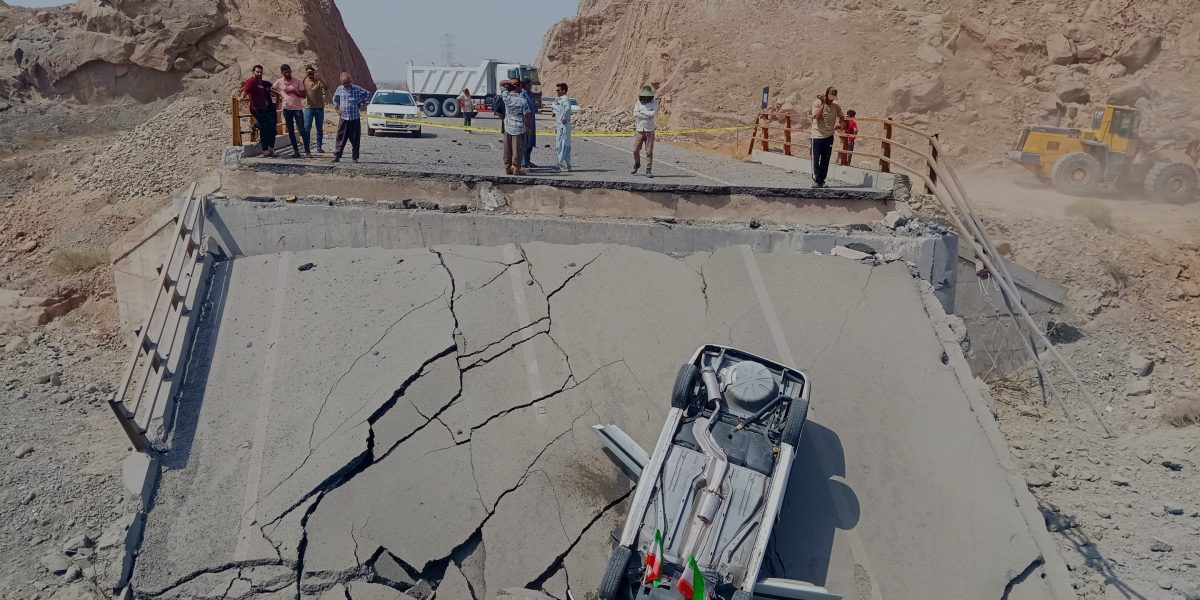
The recent escalation between the United States and Iran is escalating toward a potentially devastating conflict. The U.S. has intensified its airstrikes in Iran, primarily as a retaliation for the deaths of American troops last Friday. Meanwhile, Iran’s missile strikes directed at Jordan heighten fears of further regional instability, with the risks spilling over into Israel.
U.S.-Iran Hostilities Intensify
The ongoing military actions mark a significant deterioration from the earlier interim peace agreement meant to stabilize the region. Since last month, the situation has increasingly volatile, with both nations targeting civilian infrastructure pertinent to millions. In retaliation for the recent fatalities of U.S. service members, the U.S. military aimed airstrikes at Iranian Revolutionary Guard positions, which are critical in Iran’s regional operations. Targets included bridges, electrical facilities, and water desalination plants, signaling a comprehensive approach to degrade Iran’s military capabilities while aiming for rapid consequences against its aggressive maneuvers.
The U.S. military’s Central Command confirmed that the airstrikes sought specific military objectives, such as coastal surveillance and missile storage facilities. Many of these targets were located within mountainous regions, where Iran often conceals its military assets. Footage from the U.S. military displayed strikes conducted via fighter jets and Tomahawk cruise missiles, demonstrating a sustained military commitment to counter Iran’s aggression.
Regional Tensions Heighten
Jordan’s military responded by successfully intercepting multiple missiles aimed at its territory, ensuring that no casualties or damage occurred. However, the situation remains precarious, as Israel continues to monitor incoming threats with heightened vigilance. Recent warnings indicated that missiles targeted towards Jordan could impact the Israeli port city of Aqaba, prompting preventative measures, including air defense systems being activated across several Gulf states.
Compounding this geopolitical tension is Iran’s declaration that U.S. strikes recently impacted a construction site intended for a nuclear power facility in southwestern Iran. This has raised concerns regarding the long-term implications of military engagements for nuclear proliferation in the region. Surveillance groups have captured satellite imagery showing minimal construction activity at the Darkhovin nuclear plant, contradicting Iran’s claims.
The Role of the Strait of Hormuz
The strategic importance of the Strait of Hormuz cannot be overstated, given that it once facilitated a significant portion of global oil shipment routes. U.S. authorities have reinstated a naval blockade on Iranian ports to disrupt oil transportation, reflecting an assertive stance against Iranian exports amidst rising tensions. President Trump has previously hinted at targeting key Iranian infrastructures, such as bridges and power stations, to exert pressure on Tehran.
Iranian leaders have issued stern warnings against U.S. airstrikes, proclaiming that continued attacks could lead to “unforgettable lessons” for America. As the interim peace framework stands at a crossroads, Iranian negotiators have signaled a suspension of their commitments, pointing to an impending crisis as the 60-day negotiation period nears its conclusion.
In summary, this latest escalation presents significant risks for U.S. troops and regional allies, underscoring the fragility of peace prospects. With casualties on both sides mounting—16 U.S. service members and at least 50 Iranians reported killed—the next steps taken by both nations will be pivotal in determining the outcome of this escalating conflict.