
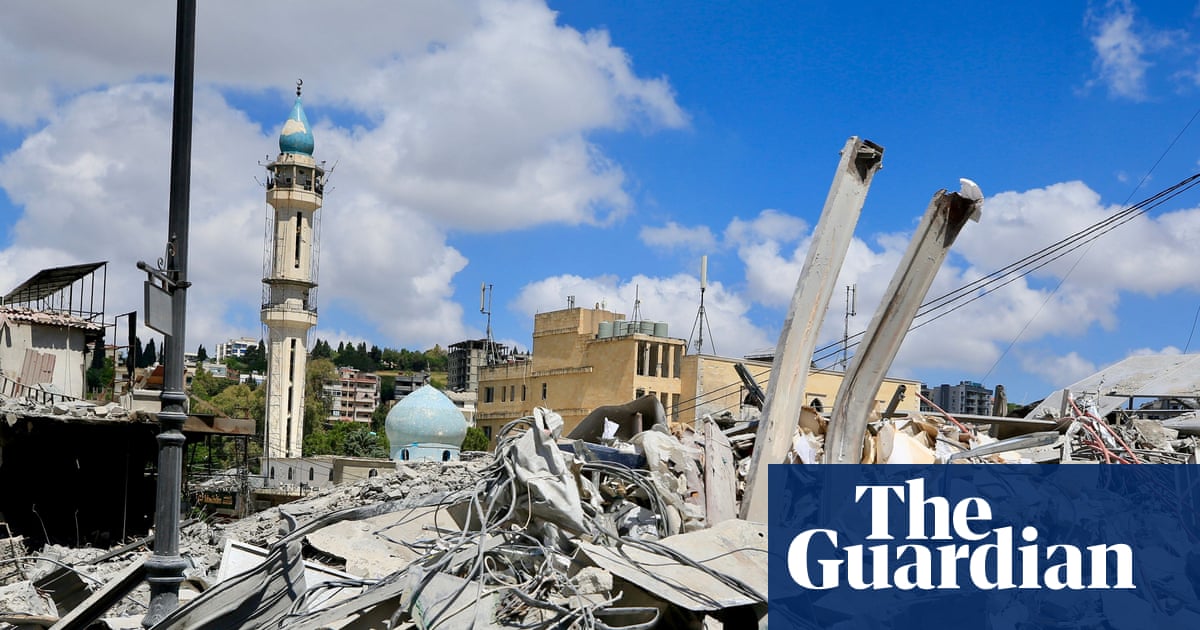
Iran’s Foreign Minister has stated that a peace agreement with the United States hinges on Israel’s withdrawal from Lebanon. As tensions rise, there are growing concerns that Israel’s actions could jeopardize diplomatic initiatives aimed at concluding the ongoing conflict in the Middle East. Former U.S. President Donald Trump has also expressed dissatisfaction with Israel’s conduct during a recent international summit, labeling the Israeli military’s actions as irresponsible.
Implications of Israeli Withdrawal
Abbas Araghchi, Iran’s top diplomat, emphasized that the conflict will not fully resolve until Israeli forces vacate occupied territories. This sentiment is echoed by a representative from Hezbollah, who claimed that Iran would insist on this withdrawal in future discussions with the U.S. The tension escalated at the G7 summit when Trump publicly admonished Israeli Prime Minister Benjamin Netanyahu for a recent bombing campaign in Beirut, criticizing it as “vicious.” Trump’s remarks underscore a shifting dynamic between the U.S. and Israel, raising questions about the future of their longstanding alliance.
Frustrations Over Military Actions
During the summit, Trump made it clear that he holds a strong personal relationship with Netanyahu, yet he conveyed frustration over Israel’s military approach toward Hezbollah. He condemned the loss of innocent lives in the conflict, particularly highlighting the dangers inherent in targeting civilian structures in search of militants. Trump’s glances at Syria suggest a willingness to explore alternate strategies for addressing the Hezbollah issue. Despite Syria’s turbulent history with Hezbollah, the current administration in Damascus appears focused on maintaining stability.
Concerns for Peace Initiatives
Trump’s escalating impatience with Israel’s refusal for a ceasefire is pivotal given his involvement in several peace negotiations with Iran. He pointed out his unique role in fostering U.S.-Israeli relations, suggesting that historic support for Israel could wane without his influence. He expressed disappointment that Israel conducted military strikes just before a critical diplomatic memorandum was set to be signed, casting doubt on future cooperation.
The ongoing military actions, particularly recent drone strikes in Lebanon, are seen as threats to the fragile peace plan for the region. The European leaders at the G7 summit are particularly concerned about the implications of these developments for the peace strategy, including proposals to invest substantially in Iran’s economy as part of creating incentives for compliance on nuclear restrictions.
EU’s Role in Future Negotiations
European nations, historically involved in negotiations regarding Iran’s nuclear program, find themselves sidelined in recent U.S.-led discussions. Their exclusion raises additional concerns about the framework and enforceability of any resulting agreement. French President Emmanuel Macron has already voiced the need for restrictions on Iran’s ballistic missile capabilities, an issue that remains unaddressed.
Amidst these geopolitical complexities, Iran appears poised to leverage the situation for potential benefits, including the possibility of regaining access to billions in frozen assets and investing in its economy. However, U.S. officials stress that any financial commitments from Gulf states to Tehran would hinge on Iran adhering to its obligations regarding nuclear disarmament. Failure to meet these benchmarks could result in a less stable regional environment, reinforcing the urgency for diplomatic dialogue moving forward.