As Israel approaches its pivotal elections in 2026, a pressing question looms: will any party emerge as a true victor? Prime Minister Benjamin Netanyahu’s coalition has been rocked by discord, particularly from the haredi (ultra-Orthodox) parties, who are firmly against arrests for draft evasion. This internal strife, combined with fractures among right-wing factions like Ofer Winter’s People of Israel, complicates the electoral landscape.
### Challenges for Opposition Parties
Meanwhile, the opposition appears to face significant hurdles in forming a majority. Most parties have dismissed the possibility of allying with Arab political groups, which would be necessary to secure enough seats for a governing coalition. The reluctance to collaborate only intensifies the challenge of creating a stable government.
### A Comparative Perspective: Israel and Sweden
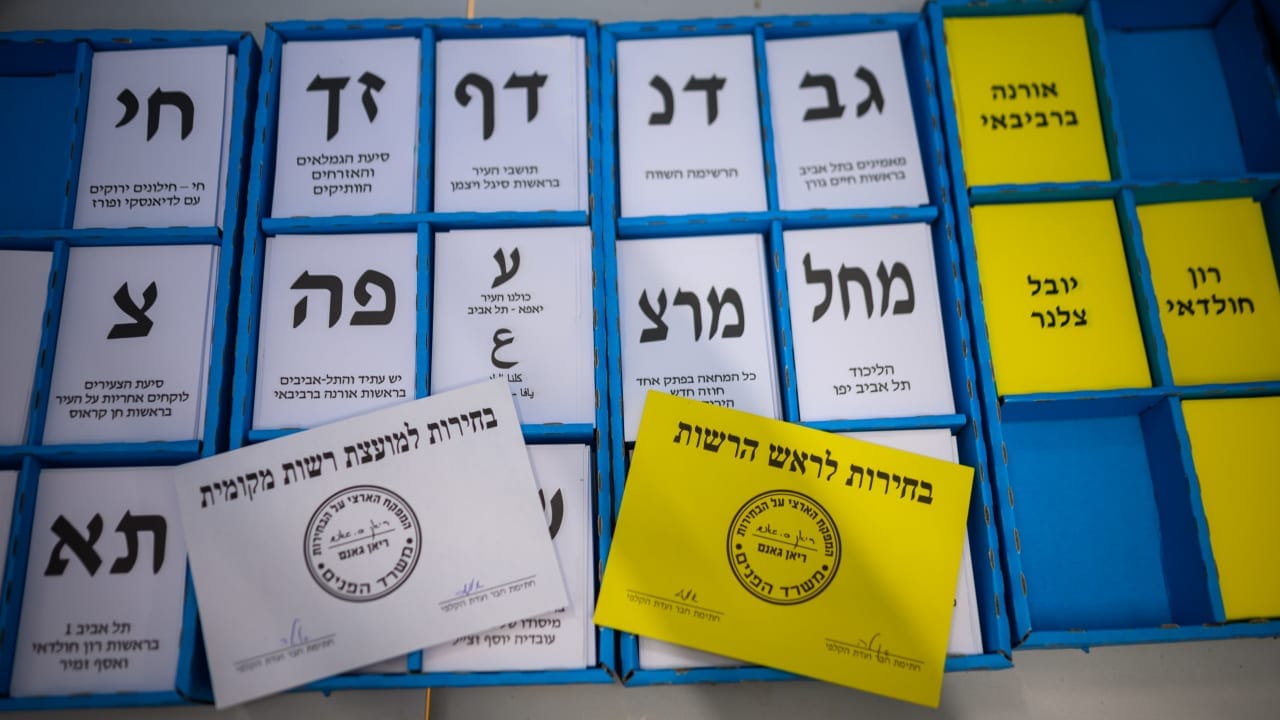
Despite the geographic and cultural differences, both Israel and Sweden are encountering similar challenges during their election periods: forming a new government. This predicament relates primarily to their electoral systems. Both countries utilize party-list proportional representation, where parliamentary seats are allocated in accordance with the percentage of votes each party receives. This method inherently necessitates coalition-building to achieve a governing majority, a task that can prove complicated.
### The Dynamics of Coalition Politics
In Israel, the president typically designates the leader of the largest party to attempt the formation of a government. However, the president holds the discretion to change course if that party seems unlikely to attain the needed majority. In severe cases of impasse, fresh elections may be required—an outcome that has become increasingly common in Israel’s political environment.
Conversely, Sweden’s system operates through its parliament’s speaker, who recommends a prime minister based on similar principles of parliamentary support. Yet, the number of seats in the Riksdag (349) is considerably greater than the Knesset’s 120, altering the dynamics of coalition negotiations. Sweden employs an “open list” system, empowering voters to influence the order of candidates on party ballots. This can enrich representation but also complicate the coalition formation process, as seen in past elections.
### Recurring Stalemates and Their Implications
Incidents of electoral deadlock are not new to either nation. Between 2019 and 2022, Israel underwent five elections without successfully establishing a stable government. Two temporary coalitions were formed, but neither endured beyond a year and a half. It wasn’t until the 2022 elections that Netanyahu’s right-wing coalition secured a majority and formed a lasting government.
Sweden faced a similar, albeit less prolonged, deadlock following the 2018 elections. With neither the center-left “Red-Greens” nor the center-right “Alliance” holding a majority, the negotiation process extended over 132 days. Ultimately, the Social Democratic Party led by Stefan Lofven succeeded in forming a government.
### The Dilemma of Representation
As both countries gear up for upcoming elections, they seem on the brink of encountering the same obstacles that have thwarted them in the past. While proportional representation fosters diversity and broader representation across different political and social groups, it also presents hurdles in terms of governance. The growing number of political voices can complicate consensus-building, leading to an increase in ideological divisions and challenges in coalition governance.
In conclusion, the electoral processes in both Israel and Sweden exemplify the complexities inherent in proportional representation systems. Although this approach amplifies diverse voices in the political arena, it can also hinder the formation of stable governments, raising questions about efficiency and governance in both nations.