
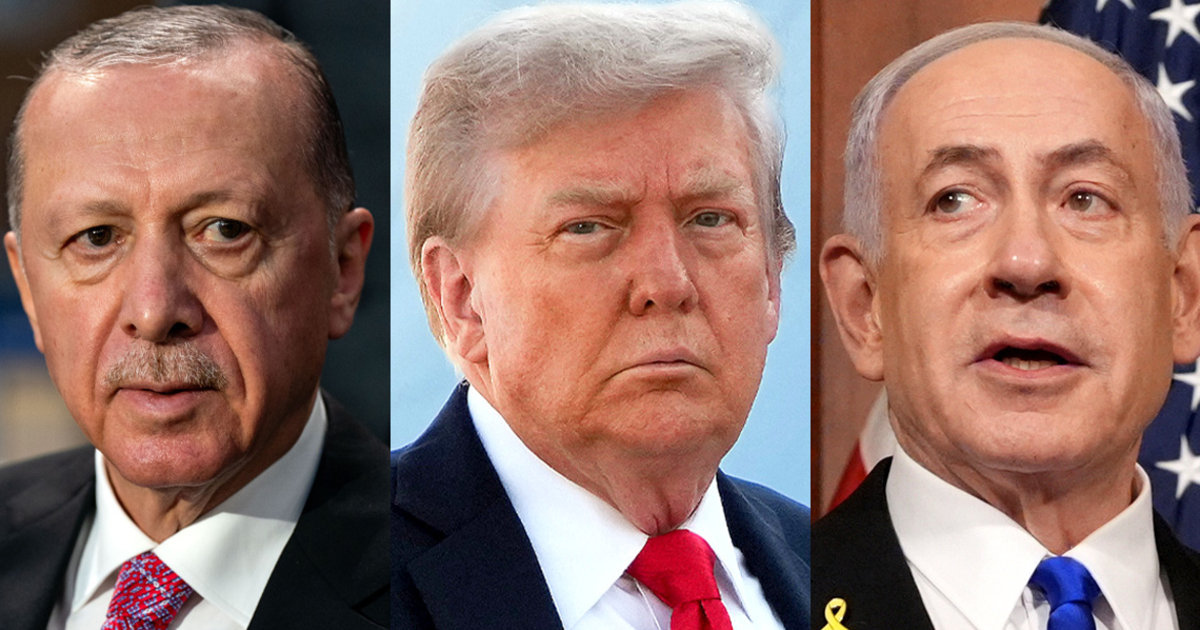
Prime Minister Benjamin Netanyahu’s recent actions suggest a bold strategy aimed at reinforcing his image as a stalwart defender against Israel’s rivals. This narrative positions him uniquely in the landscape of Middle Eastern politics, emphasizing his unyielding stance in international confrontations, particularly evident in the escalating tensions with Turkey. This situation unfolds amid broader geopolitical dynamics and U.S. responses that shape the complex relations in the region.
Netanyahu’s Strategy Against Adversaries
In the current political climate, Netanyahu has taken definitive steps to assert his position as Israel’s foremost leader against external threats. By adopting a narrative that highlights his willingness to confront adversaries, he aims to galvanize domestic support. This tactic is designed not only to fortify his political standing but also to unify the Israeli populace during a time of rising tensions in the region. His approach is a critical part of his campaign, as he embarks on portraying himself as the sole protector of Israel’s interests in the face of growing challenges.
Escalating Tensions with Turkey
The relationship between Israel and Turkey has experienced increased friction recently. Netanyahu’s latest comments and actions are perceived as a direct challenge to Turkish President Recep Tayyip Erdoğan’s policies, which have often been critical of Israel. This escalation has caught the attention of major global powers, particularly the United States, prompting a reaction that could complicate Israel’s diplomatic landscape. The U.S. response signals a nuanced approach, balancing support for Israel with a desire to mitigate tensions in the region, demonstrating the delicate nature of international relations in the Middle East.
International Relations and Domestic Implications
The ongoing conflict with Turkey reflects broader themes in Israeli foreign policy, highlighting how domestic politics often intertwine with international strategy. Netanyahu’s positioning could resonate with nationalistic sentiments within Israel, fostering a sense of unity against perceived external threats. However, the ramifications of this strategy may also influence Israel’s diplomatic ties with essential partners such as the United States and key players in the region. The interplay of these relationships underscores the complexities faced by Netanyahu as he navigates both public opinion at home and the geopolitical realities abroad.
The Role of U.S. Diplomacy
As tensions flare, the U.S. plays a crucial role in mediating this conflict. Washington’s attempts to balance its support for Israel with the need to maintain regional stability put pressure on Netanyahu to reconsider his aggressive posture. The American administration’s critique of Netanyahu’s rhetoric towards Turkey serves to remind both nations of the intricate web of alliances and dependencies that characterize the Middle East. The U.S. aims to foster dialogue and prevent escalation, emphasizing diplomatic solutions over confrontational strategies.
In summary, Netanyahu’s efforts to solidify his image as a guardian of Israeli interests amid rising tensions with Turkey indicate a keen focus on leveraging international conflicts for political gain. However, the need for careful navigation through diplomatic channels remains paramount, as the U.S. response highlights the importance of balancing national defense with the complexities of international diplomacy.