
The ongoing tensions between Israel and Lebanon have escalated significantly, drawing the attention of various stakeholders and security officials. As both nations navigate a complex landscape of military operations and diplomatic negotiations, the focus remains on minimizing civilian casualties while addressing security concerns.
Recent Israeli Military Operations
Sources within the Lebanese security sector report that the U.S. has communicated with Lebanese officials, indicating that it cannot entirely stop Israeli military actions. However, it has requested that any Israeli strikes be precise, aiming for minimal civilian impact and protecting established agreements between Jerusalem and Beirut. An anonymous source emphasized Israel’s determination to achieve its military objectives, noting that this situation has reached a critical juncture where Hezbollah’s response is heavily anticipated.
Implications of a U.S.-Iran Agreement
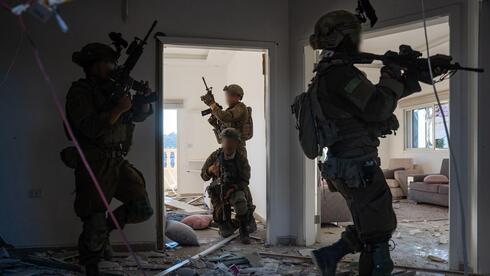
The potential upcoming agreement between the United States and Iran is also a crucial factor influencing the dynamics in southern Lebanon. This agreement could significantly impact the region, with security officials stating that time is of the essence as various elements align. Speculation in Lebanese media highlights areas like the Ali al-Taher ridge as key targets, with reports indicating Hezbollah fighters may be trapped in underground facilities there. The Israeli Defense Forces (IDF) are reportedly intensifying their operations, including cutting off water supplies and tightening their siege, while Hezbollah is attempting to break through using drones.
Future Negotiations and Cease-Fire Conditions
The uncertainty surrounding not just military maneuvers but also the future of peace negotiations between Israel and Lebanon adds another layer of complexity. Informed sources suggest that Beirut is demanding stricter conditions for any cease-fire, including expanding pilot areas prior to engaging in further talks. While negotiations are expected to resume in early September, the outcome remains uncertain. Reports indicate that U.S. military officials have expressed skepticism regarding Israel’s willingness to undertake significant troop withdrawals before impending elections.
Strategic Military Objectives
A recent report from a Hezbollah-affiliated newspaper indicated that U.S. military officials have acknowledged the likelihood of quick Israeli military actions targeting sensitive Hezbollah positions, particularly in the mountainous regions like the Ali al-Taher hills. These military movements may play a crucial role in the overarching goal of ensuring Lebanese army control over areas currently held by Hezbollah. Additionally, diplomatic channels indicate that the Israeli leadership has greenlit military actions intended to disrupt Hezbollah’s stronghold in this area.
In conclusion, the situation in southern Lebanon remains fluid, characterized by military posturing while diplomatic channels remain open. With various parties involved, the urgency for a cease-fire, and the complexity of regional dynamics, the path forward is fraught with challenges. As conditions evolve, monitoring the responses from both sides will be critical in assessing the likelihood of achieving a long-term resolution.