
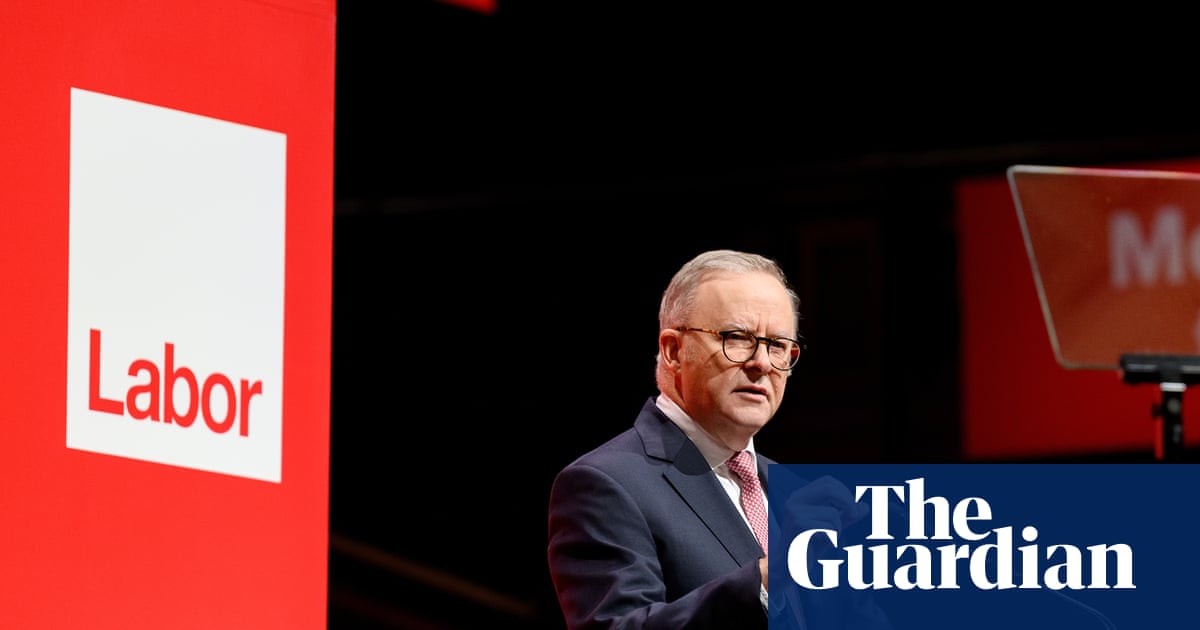
Israel has recently intervened in the internal discussions of the Australian Labor party, voicing its concerns regarding a draft policy platform. This platform is slated for debate at the upcoming Labor national conference, leading to potential shifts in the party’s stance on Israel, Hamas, and the ongoing situation in Gaza.
Israeli Government’s Concerns
The Israeli embassy in Canberra released a detailed statement addressing the draft policy’s approach to Palestine and the violence in the West Bank. They criticized the proposed positions for potentially placing blame solely on Israel while not adequately addressing the actions and responsibilities of Hamas. The embassy emphasized their intent to engage in constructive dialogue with the Labor Party through proper diplomatic channels, despite the concern that some elements of the draft risk misrepresenting the complexities of the conflict.
It is relatively rare for a foreign government to intervene in a domestic political matter, particularly a party conference, which highlights the growing friction between the Australian Labor Party and the Israeli government. The party’s platform is typically reviewed at every triennial national conference to outline its viewpoints on various global issues, including the Israeli-Palestinian conflict.
Shifts in the Draft Policy
The language in the 2026 draft policy concerning Israel and Palestine marks a notable departure from the much shorter 2023 version, which merely acknowledged the recognition of a Palestinian state—a stance officially adopted by the Australian government the previous year. The upcoming draft is expected to delve deeper into the issues, proposing stances against the annexation of Palestinian territories and the violence from settlers, thereby sparking significant debate at the conference.
As tensions continue to mount regarding these issues, the Albanese government has taken a firm stand against settler violence in the West Bank, recently coordinating with allied nations to impose sanctions on offenders. However, the Israeli embassy described such violence as a “reprehensible but marginal phenomenon” that receives disproportionately high scrutiny compared to the terrorism faced by both Jewish and Arab Israelis.
Debate and Discontent
As the Labor Party prepares for the conference, members representing both pro-Palestine and pro-Israel positions are expected to push for amendments to the drafted document. Notably, the embassy pointed out a significant shift in wording between earlier drafts, highlighting an omission of a previously included statement calling for Hamas to disarm. While the final draft identifies Hamas as a terrorist group, the overall sentiment echoes a call for peace through dialogue rather than blame.
The Israeli embassy believes that addressing the historical and contextual conditions surrounding the conflict is essential for achieving lasting peace, suggesting that unilateral political moves will not contribute to the resolution. The situation remains complex, and the outcome of the Labor conference will likely reverberate beyond Australian politics, influencing global perspectives on the Israeli-Palestinian conflict.
Amid the controversy, multicultural affairs minister Anne Aly responded unfazed to the embassy’s intervention, noting that the Israeli government is simply acting within its interests. Meanwhile, foreign affairs minister Penny Wong refrained from commenting, indicating the sensitivity and divisive nature of the discussions at hand. The approach the Labor Party decides to take could affect its internal cohesion and its international relations moving forward.