
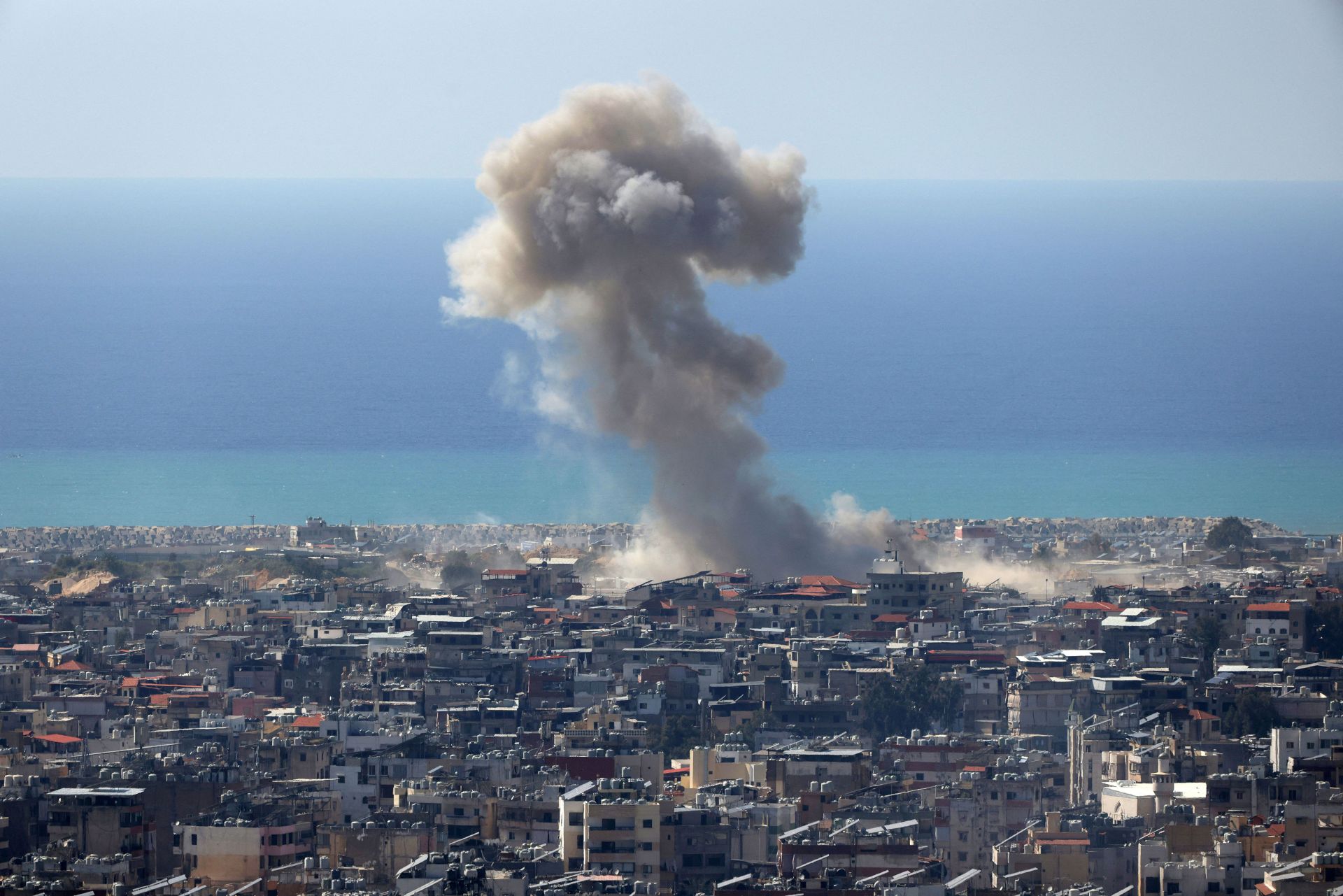
Israel often characterizes its airstrikes in Lebanon as “precision” or “targeted” operations aimed at individual Hezbollah members. This assertion implies that Israel possesses the capability to identify specific targets without harming surrounding civilians. An investigation by New Lines scrutinizes this claim, analyzing five distinct Israeli airstrikes in and around Beirut during March and April, highlighting varying degrees of destruction, from minor damage to the complete collapse of buildings.
Investigation Overview
The New Lines investigation reveals a spectrum of destruction. In one incident in Mar Takla, a strike targeted Muhammad Ali Kourani, resulting in the destruction of a single room, while his family was unharmed in adjacent spaces. Conversely, another strike in Jnah decimated two entire buildings, raising questions about the operational choices and intelligence that dictated differing levels of destruction. The investigation underscores the implications of these operations given the complexity surrounding civilian communities often affiliated with distinct political or religious groups.
Case Studies: Varying Outcomes
In Ain Saadeh, an intended target survived, but innocent residents were killed, while in Zuqaq al-Blat, a strike resulted in the tragic death of 15-year-old Jad Kobeissi. Each incident begs the question: how do different intelligence assessments and operational goals result in such varied destruction? While some strikes appeared to show a degree of precision, others had wider impacts, questioning the validity of Israel’s narrative that its actions are solely targeted at militants.
The investigation also explores the specific context of each strike, particularly in the mixed communities of Beirut. For example, the Mar Takla strike illustrates a scenario where precision might have been effectively executed, yet in other neighborhoods, the extent of collateral damage raises concerns about the assumptions underlying military intelligence. This potential bias prompts a reconsideration of Israel’s claims regarding civilian safety and operational intent.
Legal and Ethical Implications
The outcomes of these strikes imply a legal framework that warrants scrutiny. International humanitarian law emphasizes the need for precaution in operations to avoid civilian harm. Former Air Force targeting expert Wes Bryant notes the importance of distinguishing between targeting combatants effectively and the broader implications of collateral damage. The evidence indicates that even well-aimed strikes can lead to significant civilian casualties, questioning whether Israel adheres to accepted proportionality standards in military operations.
In analyzing the varied destruction levels from these strikes, key factors come into play: the intelligence quality regarding specific targets, the nature of munitions used, and the structural characteristics of buildings. These elements collectively contribute to the overarching narrative of military accountability in conflict, revealing potential discrepancies in how area-specific targeting is conducted.
Ultimately, the investigation paints a picture of a military capable of differentiated targeting when it chooses to, yet also capable of large-scale destruction under specific circumstances. The variances in results across the five airstrikes underscore the need for continued dialogue about ethical military practices and accountability in targeting decisions. As conflicts evolve and civilian environments become entangled in military objectives, the importance of adhering to stringent operational protocols becomes ever more critical.