In the ongoing aftermath of the violent outburst on Black Saturday, three years have passed, yet the conflict still lacks a definitive title. The government’s moniker, “Iron Swords,” fails to resonate or clearly articulate the nature of this war, leaving many questioning its significance.
Endless Conflict and Undefined Borders
Unlike more identifiable conflicts such as the Vietnam War or the Gulf War, this unnamed war does not adhere to conventional timelines or locations. Its chaotic terrains include areas from Gaza to Lebanon, Syria, Yemen, Iran, and Iraq. This ambiguity underscores a broader sense of disarray, not limited to military operations but extending into various aspects of societal and diplomatic engagement.
A more fitting designation might be the “Seven Fronts War,” which aptly reflects its multifaceted nature. This conflict involves seven military theaters but also encompasses three non-military fronts: diplomatic, social, and moral. Each of these realms has demonstrated a leadership that struggled to unify the nation and instead sowed division, leading to considerable disarray.
International Discontent
The repercussions of this leadership failure are observable even in allies like the United States. What seemed unthinkable just a few years ago—seeing Israel, a nation that faced brutal attacks and unimaginable suffering, labeled as the aggressor—has become a stark reality. The portrayal of Israelis as villains, following a period marked by invasion and atrocities, has been particularly disheartening.
Hostility has increased not only from historically anti-Israeli sentiments in nations like Ireland and Spain but also from erstwhile allies such as Holland and Britain. This diplomatic breakdown emphasizes the need for Israel to recalibrate its foreign relations and effectively communicate its narrative.
Social Fractures Amid War
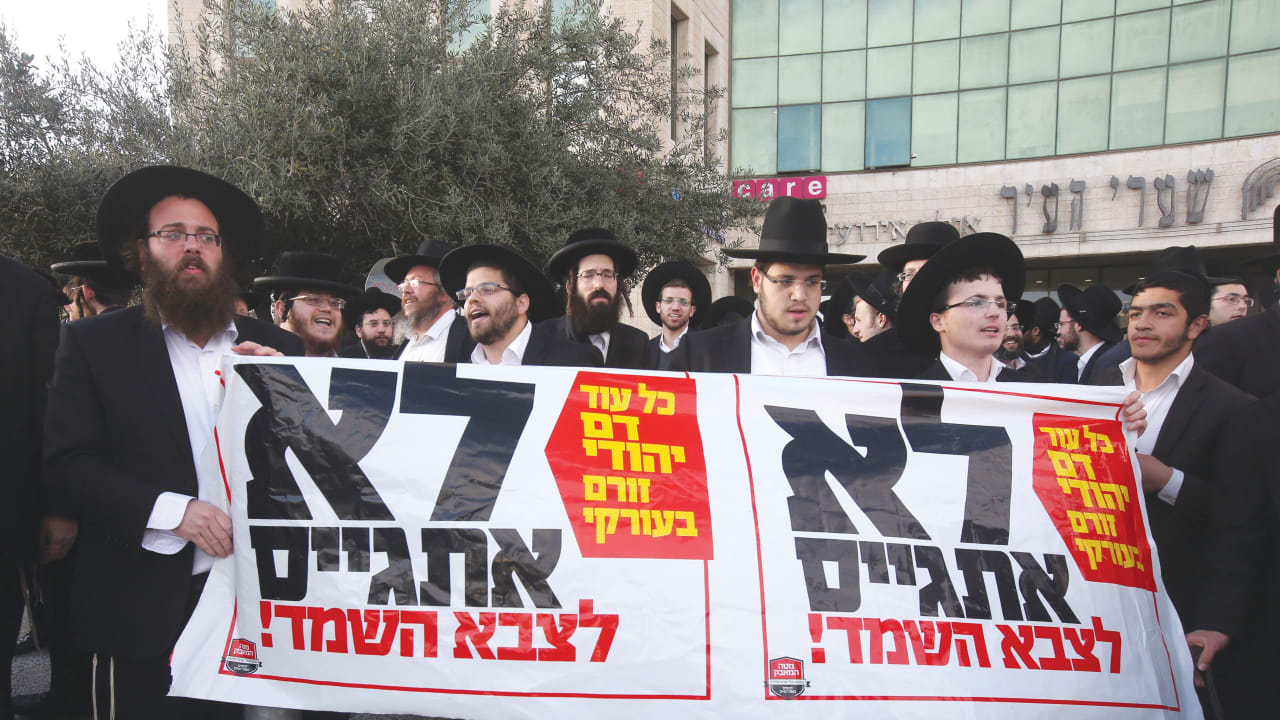
The initial unifying spirit witnessed in prior conflicts, such as during the Yom Kippur War, has not been replicated in this war. Instead of solidarity, divisions have emerged, notably between different societal demographics. The government’s failure to conscript individuals from ultra-Orthodox communities, who received exemptions while others fought bravely, has led to resentment and anger.
Leadership should have prioritized national unity over political expediency. Yet, wartime leaders instead chose to entrench division, leading to feelings of disenfranchisement among those serving in the military. This lack of social fairness further complicates Israel’s challenges as it faces internal and external threats.
A Moral Dilemma
Political morality revolves around the pursuit of truth and integrity. However, Israeli leaders during this war seem to have evaded accountability, rejecting inquiries into critical decisions while scapegoating individuals outside their circle. By not embracing the truth, they risk not only their standing domestically but also internationally. The perception that Israel lacks a moral high ground only serves to exacerbate its challenges on the world stage.
For Israel’s leadership to shift the current narrative, a return to core values—communicating the realities of the struggle and advocating for unity—is essential. Transparency and accountability must guide diplomatic efforts if Israel is to regain its standing in the eyes of the global community. Only through authentic engagement can the nation begin to hope for a more favorable international outlook and internal cohesion in the face of ongoing adversity.