
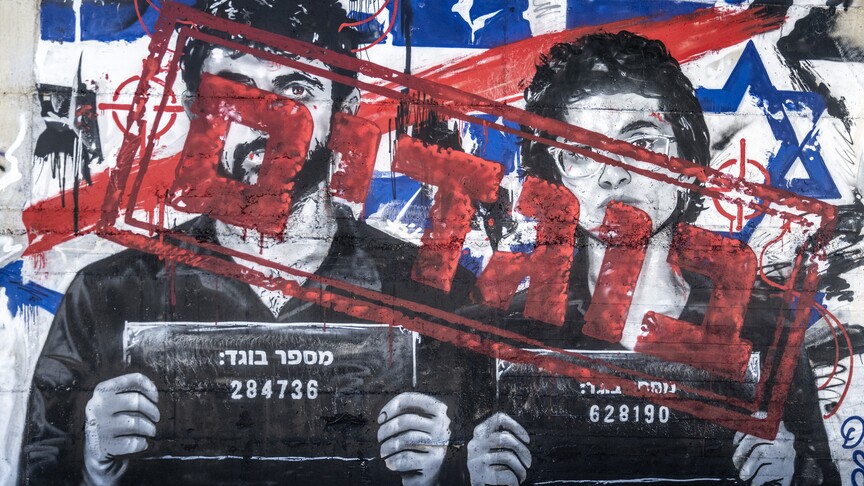
Israeli officials are now deliberating the potential revocation of citizenship for the filmmakers behind the Gaza war documentary titled “NAZA.” This examination comes at the request of Culture and Sports Minister Miki Zohar, signaling a growing tension between artistic expression and government oversight.
The Impact of “NAZA” on Israeli Society
Directed by acclaimed Israeli filmmakers Yuval Abraham and Rachel Szor, “NAZA” delves deep into the actions of the Israeli army during the ongoing conflict in Gaza. Utilizing testimonies from Israeli soldiers, the documentary sheds light on alleged war crimes committed throughout this devastating period. The film’s powerful narrative raises critical questions about the ethics and morality of military operations in urban areas, especially when civilian lives are at stake.
According to a report from Israel’s Channel 14, Boaz Yosef, the director general of Israel’s Population and Immigration Authority, has indicated that the agency is reviewing the request for citizenship revocation. However, sources within the authority state that this evaluation should be viewed as an “examination of legal feasibility,” rather than an indication that a definitive decision has been reached. This nuance suggests that while the government is considering it seriously, it has yet to take any actionable steps.
Insight into the Film’s Content
“NAZA” is particularly notable for its unflinching portrayal of the Israeli military’s strategies, including their bombing techniques and operations within Gaza. The documentary underscores the extensive use of surveillance technologies and artificial intelligence to identify targets, adding a layer of complexity to the debate over military ethics. By presenting stark evidence and personal accounts, the filmmakers aim to illuminate the harsh realities faced by civilians caught in the crossfire.
The film’s title, “NAZA,” is an acronym employed by Israeli military intelligence. It signifies the anticipated civilian casualties resulting from airstrikes, which adds a chilling dimension to the film’s narrative. Since the start of the Israeli offensive in October 2023, it has been reported that over 73,000 people have lost their lives, with more than 174,000 injured and substantial damage inflicted upon civilian infrastructure—estimated to have affected around 90% of facilities in Gaza.
Acknowledgment at the Venice Film Festival
Recognition of “NAZA” has reached international platforms, exemplified by its recent accolade of the Special Jury Prize at the Venice Film Festival on September 12. This honor not only underscores the film’s critical perspective but also amplifies the voices of those advocating for transparency and accountability in warfare. The reception of the film at such a prestigious event signals its significance in the broader conversation regarding human rights and military conduct.
In conclusion, the situation surrounding “NAZA” highlights the tension between creative expression and governmental authority in Israel. As officials weigh the implications of revoking citizenship for the filmmakers, the ongoing backlash against the documentary serves as a reminder of the powerful influence of art in shaping public discourse. The ongoing conflict in Gaza continues to evoke strong emotions, and films like “NAZA” play a pivotal role in raising awareness and fostering dialogue.