
The ongoing conflict in the Middle East is exacerbating food insecurity in several vulnerable nations, as highlighted by recent projections from the United Nations’ World Food Programme (WFP). The situation has become increasingly dire, with millions on the brink of hunger due to escalating violence and rising commodity prices.
The Growing Crisis of Food Insecurity
According to a WFP report issued in March, if hostilities continue and oil prices hover around $100 per barrel, approximately 45 million individuals may fall into acute food insecurity. Subsequently, the agency reaffirmed these projections, indicating that the situation has deteriorated. Nations already grappling with conflict and economic instability are particularly vulnerable, as their reliance on food imports heightens their susceptibility to rising costs for fuel, food, and humanitarian assistance. The fallout from this crisis is especially dire; countries like Somalia may see an additional 2.5 million people struggling to secure basic food needs, while Sri Lanka and Afghanistan could experience increases of 1.3 million and 2.3 million, respectively.
Escalation of Hostilities in Lebanon
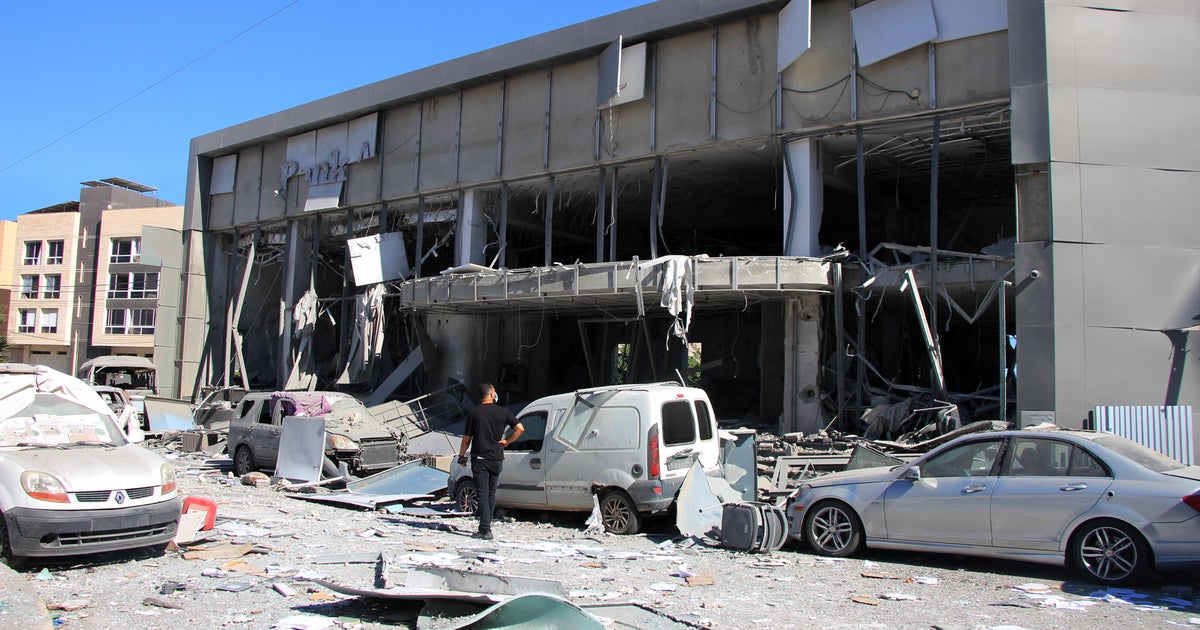
In addition to the food crisis, the conflict has led to recent military actions in Lebanon, where Israeli airstrikes targeted villages following warnings issued to residents. The strikes came after Hezbollah, the Iran-backed militant group, rejected attempts at a ceasefire brokered by the United States. Residents of several towns, including Sarafand, were urged to evacuate in anticipation of attacks. Reports indicate mass displacement in the affected areas as the violence escalates, highlighting the urgent humanitarian needs amid the ongoing military operations.
Political Dynamics and Ceasefire Efforts
Amid these developments, discussions surrounding potential peace agreements have intensified. Iran has emphasized that any accord with the United States must fully secure its national interests, signifying reluctance to engage unless all concerns are addressed. The Iranian leadership has made it clear that it reacts autonomously to international pressures, advocating for a clear, strategic position in negotiations. These statements affirm Iran’s resolve in standing against external forces, particularly in light of its military responses to U.S. actions.
Political Tensions in the U.S. over Military Engagement
In the United States, political reactions are shaping the national stance on military involvement in the region. A recent war powers resolution aimed at curtailing President Trump’s authority to deploy U.S. troops in Lebanon faced significant opposition in the House of Representatives. Proposed by Rep. Rashida Tlaib, the resolution aimed to ensure that American forces would be withdrawn within a week of its adoption; however, it was defeated by a substantial margin. Despite the lack of U.S. servicemembers currently engaged in hostilities in Lebanon, Democratic leaders are pushing for alternative legislative vehicles to further curtail any future military engagements without Congressional approval.
The unfolding events underscore the complex interplay of humanitarian crises, military action, and political maneuvering on both local and international stages. As the situation develops, the need for targeted interventions to address food security and diplomatic efforts to stabilize the region becomes increasingly critical.